



TLDR
- South Korea opens first gambling probe into Polymarket users
- Police target domestic Polymarket users over illegal betting
- Polymarket faces Korean scrutiny after election betting surge
- South Korea tests gambling laws against Polymarket users
- Polymarket users face probe as Korea tightens betting rules
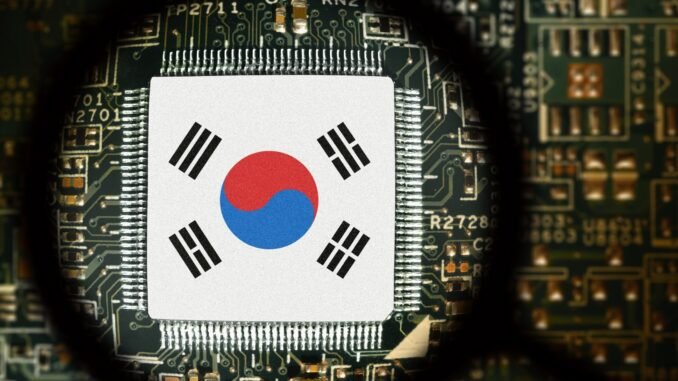
South Korean police have opened a gambling probe into domestic Polymarket users, marking the country’s first known case against platform participants. The investigation targets users who allegedly placed bets through the blockchain-based prediction market. It also raises fresh questions about how Korea applies gambling laws to decentralized platforms.
Police Open First Polymarket User Probe
The Gangwon Provincial Police Agency is handling the case after a request from the National Police Agency headquarters. The probe covers users across South Korea, including residents in Gangwon Province. Authorities now aim to determine whether their Polymarket activity violated local gambling rules.
Polymarket allows users to trade contracts linked to real-world outcomes, including elections, markets, sports, and economic events. Korean law treats most private betting activity as illegal. The country only permits limited betting through state-authorized Sports Toto products.
Current rules allow Sports Toto wagers with a ₩100,000 limit, while other betting sites face legal restrictions. Therefore, police are examining Polymarket use under Article 246 of the Criminal Act. The provision covers gambling and habitual gambling, with fines reaching ₩10 million.
Korean Law Puts Polymarket Access Under Review
Polymarket remains accessible in South Korea without IP bypass tools, according to local reports. Users can also place bets with dollar-backed stablecoins, as the platform runs through blockchain-based settlement. Hence, authorities may focus enforcement on domestic users rather than the platform operator.
The case gained attention after Polymarket listed markets tied to South Korea’s June 3 local elections. Local reports said related betting activity reached large won-denominated volumes. Consequently, the election markets brought stronger attention to prediction-market activity among Korean users.
Attorney Ahn Chang-bo, who represents some users, said the gambling offense elements appear present. He noted that South Korea has no known punishment precedent for Polymarket use. That absence leaves the likely legal outcome uncertain for users under investigation.

Case Tests Crypto Enforcement Scope
South Korea has increased enforcement around digital assets, including activity on decentralized systems. In May, prosecutors charged several people over the CATFI meme coin case. Authorities described that matter as a major decentralized exchange-related action under user protection rules.
Prosecutors alleged the group promoted the Solana-based token through misleading online posts before executing a rug pull. The case showed that authorities can pursue conduct beyond centralized exchanges. It signaled a wider legal focus on blockchain-based financial activity.
The Polymarket probe now extends that approach into prediction markets and online betting. Although the platform operates legally in the United States, Korean law classifies private gambling differently. Therefore, the investigation could shape how South Korea treats decentralized prediction platforms and domestic user liability.


Be the first to comment