



Crypto markets are back in panic mode after Bitcoin price plunged toward the $60,000 level, wiping out weeks of gains and dragging the total crypto market capitalization toward a critical support zone near $2 trillion. With more than $1.85 billion in liquidations, Bitcoin ETF outflows nearing $10 billion, and the Crypto Fear & Greed Index collapsing to 13, traders are once again asking the same question: When is crypto going back up?
Why Is Crypto Crashing Right Now?
The latest selloff is being driven by technical weakness, institutional outflows, liquidation pressure, and worsening sentiment hitting markets simultaneously. Bitcoin first triggered the breakdown after repeatedly failing to reclaim the $78,000–$80,000 resistance zone, eventually losing the ascending trendline support that had held price structure together since March. Once BTC slipped below the $70,000 region, selling pressure accelerated across the broader market.
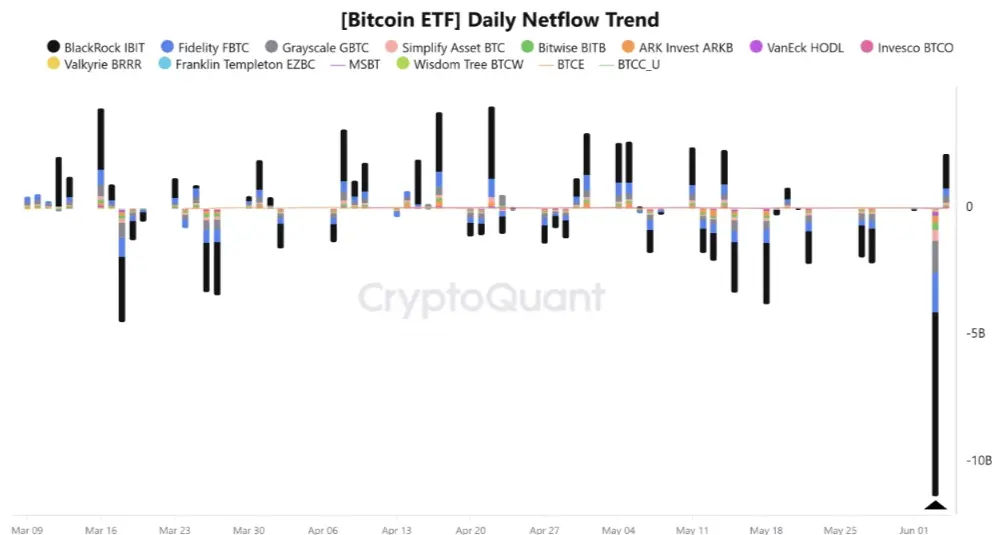
At the same time, Bitcoin ETF outflows surged toward $10 billion, significantly weakening one of crypto’s strongest sources of institutional demand. Major ETF issuers including BlackRock, Fidelity, and Grayscale all recorded heavy outflows, forcing markets to reprice expectations around institutional buying.
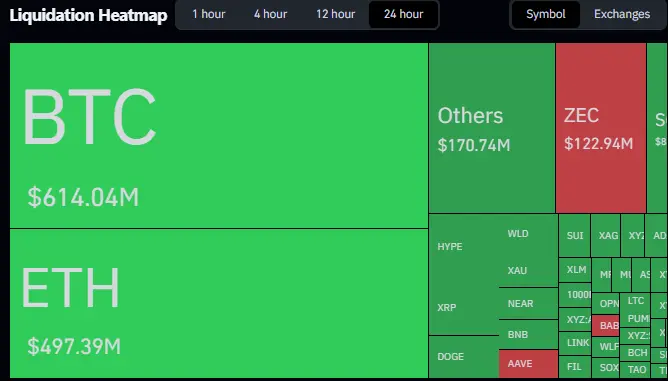
The panic intensified further after more than $1.85 billion worth of leveraged positions were liquidated in just 24 hours, including roughly $614 million in Bitcoin liquidations and nearly $500 million in Ethereum. Open interest simultaneously declined by more than 6%, signaling aggressive deleveraging as traders rushed to cut risk.


Meanwhile, The Crypto Fear & Greed Index collapsing to 13 places the market in Extreme Fear territory, a level historically associated with capitulation phases and emotional exhaustion. During previous cycles, similar readings often appeared near local bottoms, particularly after sharp leverage wipes and aggressive panic selling. While fear alone does not guarantee recovery, it often signals something important: most sellers may have already reacted. In crypto, recoveries often begin when sentiment looks irreversibly broken.
What Could Trigger the Next Crypto Recovery? 7 Signals Traders Are Watching
While crypto markets remain under pressure, major recoveries rarely begin without clear catalysts. Right now, traders are closely watching a combination of technical, institutional, macro, and sentiment signals to determine whether the current correction is nearing exhaustion, or if more downside still lies ahead.
1. Bitcoin Must Hold the $58K–$60K Battleground
Everything starts with Bitcoin. The $58,000–$60,000 zone is currently acting as the market’s most important support level after BTC lost key trendline structure. Historically, Bitcoin stabilizing at major support zones often signals that panic selling is beginning to slow. If BTC price successfully defends this range and reclaims $68K–$70K resistance, broader market confidence could gradually return. Without Bitcoin stabilization, a meaningful crypto recovery becomes difficult.
2. ETF Flows Need to Turn Positive Again
Institutional demand remains one of crypto’s strongest recovery signals. The recent wave of nearly $10 billion in Bitcoin ETF outflows weakened confidence significantly because ETFs had become a major source of structural buying pressure. For sentiment to improve, traders will want to see fresh inflows returning to major products such as BlackRock’s IBIT, Fidelity FBTC, and Grayscale GBTC.
3. Liquidation Pressure Must Finally Cool
More than $1.85 billion in liquidations has already wiped out excessive leverage across crypto markets. Historically, sharp corrections often stabilize only after forced selling slows and speculative excess gets removed from the system. Once liquidation cascades cool down, stronger buyers typically begin re-entering the market.
4. Fear Needs to Stop Getting Worse
Sentiment remains one of crypto’s strongest contrarian indicators. The Crypto Fear & Greed Index dropping to 13 shows markets have entered extreme panic territory. During previous cycles, similar readings frequently emerged near local bottoms, not because markets instantly recovered, but because most sellers had already reacted. Recovery becomes more likely once fear stabilizes and confidence slowly starts returning.
5. Bitcoin Dominance Must Cool for Altcoins to Recover
Bitcoin usually recovers first, altcoins follow later. With Bitcoin dominance near 58.4%, traders are still prioritizing BTC over riskier assets. Historically, broader crypto rallies strengthen once Bitcoin stabilizes and dominance starts falling, allowing capital to rotate into Ethereum, Solana, XRP, AI tokens, and other high-beta assets. That rotation often becomes one of the clearest signs of market recovery.
6. Whale Accumulation Returning Could Signal a Bottom
Large investors tend to buy when retail sentiment collapses. Historically, whale wallets and long-term holders accumulate aggressively during periods of extreme fear rather than during euphoric rallies. Rising exchange outflows, growing stablecoin deployment, or signs of renewed whale buying activity could indicate stronger hands are quietly positioning for recovery.
7. Macro Conditions Need to Improve
Crypto remains heavily influenced by global liquidity. Lower inflation, growing expectations for Federal Reserve rate cuts, weaker U.S. dollar strength, or improving financial conditions could quickly restore appetite for speculative assets. Historically, crypto rallies accelerate once macro pressure eases and liquidity conditions begin improving.
So, when is crypto going back up? The answer may come down to one thing: Bitcoin finding stability first. If BTC holds key support, ETF demand improves, and panic selling begins fading, crypto could start rebuilding momentum sooner than expected. Until then, traders are watching closely as the market navigates one of its biggest stress tests in months.





Be the first to comment