




TLDR
- Bitcoin’s 21 million coin cap makes it a scarce, store-of-value asset backed by institutions and ETFs
- Ethereum powers DeFi, stablecoins, and tokenized real-world assets through its smart contract network
- Spot Bitcoin ETFs lowered the barrier for traditional investors to gain crypto exposure
- Ethereum’s move to proof-of-stake cut energy use and added staking rewards for holders
- Many investors now hold both, using Bitcoin for stability and Ethereum for growth potential
As crypto matures in 2026, Bitcoin and Ethereum remain the two dominant assets — but they serve very different purposes for investors.
Bitcoin’s Case as Digital Gold
Bitcoin was designed with a hard cap of 21 million coins. That fixed supply has made it one of the scarcest assets available anywhere in financial markets.
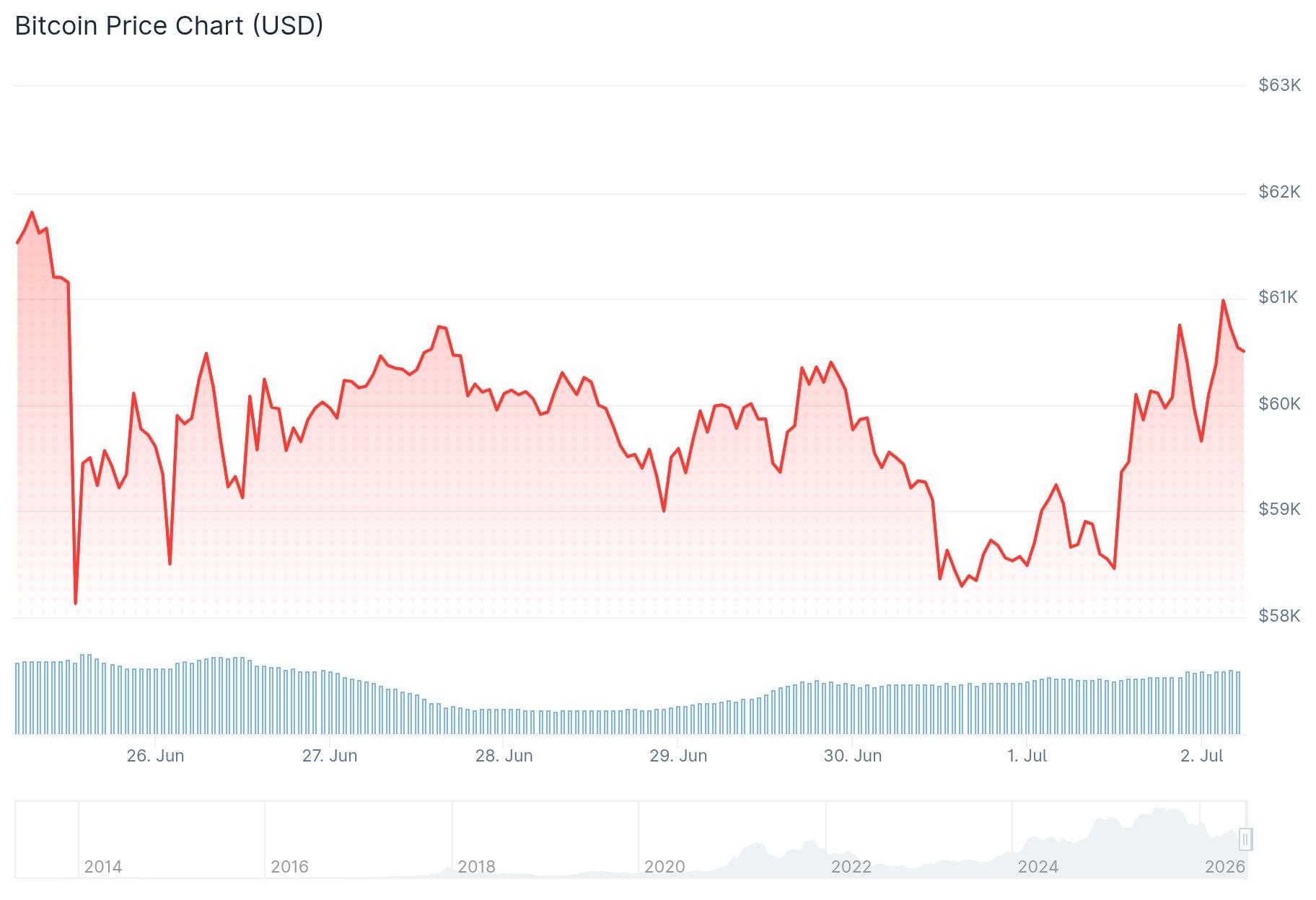
Institutions have taken notice. Pension funds, publicly traded companies, and asset managers have added Bitcoin to their portfolios. The arrival of spot Bitcoin ETFs made that process easier, letting traditional investors gain exposure without managing a crypto wallet.
Analysts frequently compare Bitcoin to gold. If that parallel holds, long-term demand from large institutions could continue to support its price.
Bitcoin also faces no real competition in its lane. No other cryptocurrency is seriously challenging it as a digital store of value.
For cautious investors, that clarity and institutional backing make Bitcoin the lower-risk choice of the two.
Ethereum’s Case as a Technology Platform
Ethereum’s value is tied to network activity. It supports decentralized finance, stablecoins, tokenized bonds, and thousands of applications built by developers worldwide.

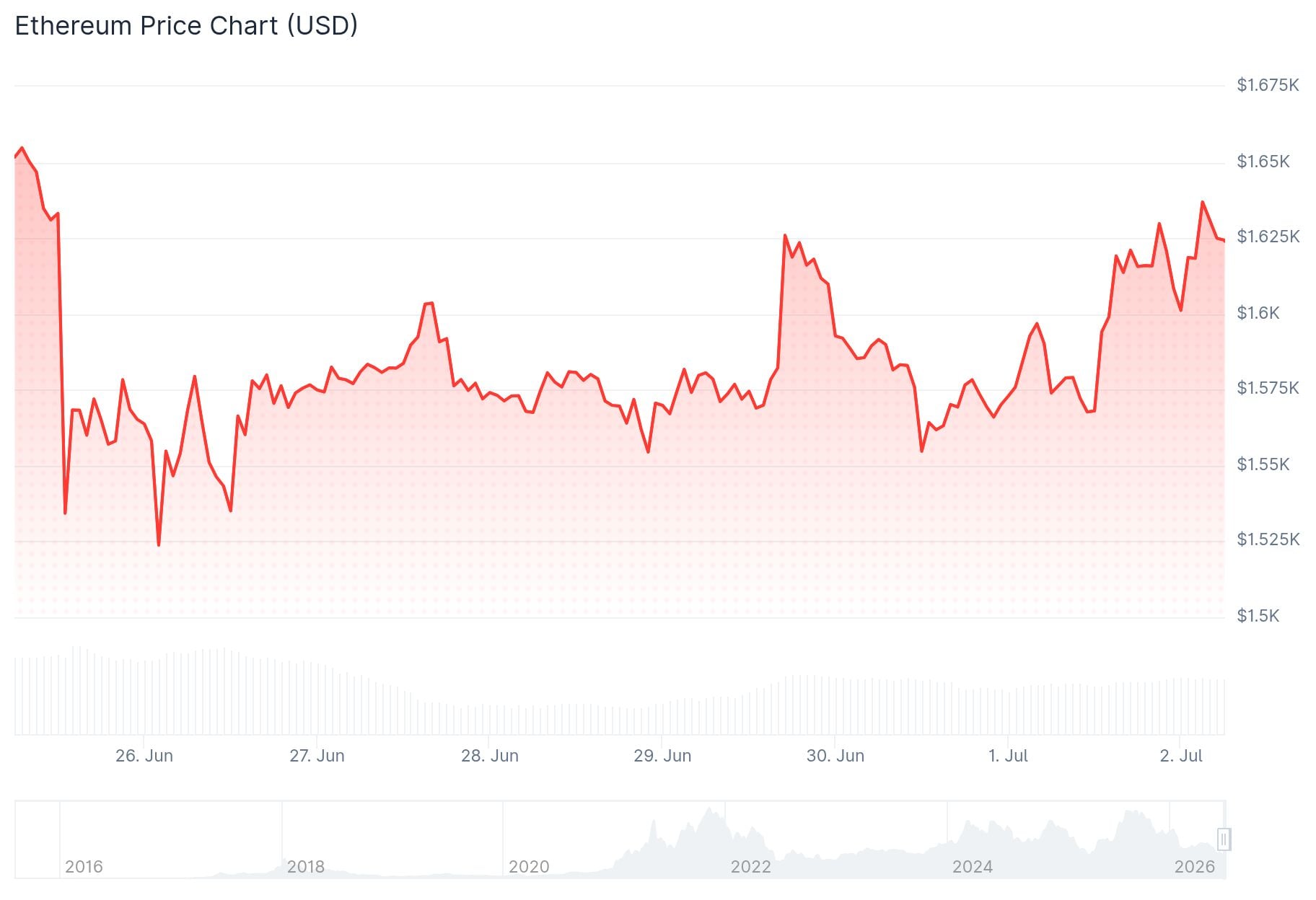
Every time users interact with these applications, the network earns fees. More activity means more demand for Ethereum.
The switch to proof-of-stake reduced Ethereum’s energy consumption. It also introduced staking rewards, allowing holders to earn a return by locking up coins to help secure the network.
Major financial institutions are now testing blockchain-based bonds and funds. Ethereum remains one of the main platforms used for that work.
Supporters argue Ethereum should be viewed as infrastructure, not just a coin. That framing puts it in a different category than Bitcoin.
Ethereum does face more competition than Bitcoin. Networks like Solana are actively trying to pull developers and users away from it.
Bitcoin does not have that problem. Its position as digital gold is largely uncontested.
That said, both assets have drawn billions in institutional capital. Both are now part of mainstream finance discussions in boardrooms and government meetings.
Many investors no longer treat them as rivals. They hold both, using Bitcoin for stability and Ethereum for exposure to blockchain growth.
As of mid-2026, Bitcoin holds the stronger position in terms of institutional recognition. Ethereum leads all other blockchains in total value locked in decentralized finance applications, according to the most recent data available.
🚨 Our July Stock Picks Are Live!
A new month means new opportunities. Our analysts have just released their top stock picks for July, highlighting companies with strong momentum that rank highly on our KO Score algorithm. We’re also now sharing trade ideas for both long-term and short-term investors, giving you more ways to spot potential opportunities in the market.
Sign up to Knockout Stocks today and get 50% off to unlock the full list and see which stocks made the cut.
Use coupon code Special50 for your exclusive discount!



Be the first to comment