



So here we are again. Not a smart contract exploit in the classic sense, but a rules-as-written treasury drain that sailed through governance because nobody showed up. If you hold meme tokens with DAOs attached to them, this is the wake-up call.
The BONK saga isn’t just a one-off. It shows how cheap it can be to buy enough votes, meet quorum, and walk out with a treasury haul if a community is disengaged. The fix isn’t magical. It’s mostly better parameters, better process, and people actually voting.
| Aspect | What to Know |
|---|---|
| What happened | An anonymous wallet filed a proposal to move roughly 4.426 trillion BONK from the BonkDAO treasury to their own wallet, and it passed with minimal turnout, triggering an automatic transfer (CoinCentral). |
| How it was executed | The attacker reportedly spent about $4.4 million buying roughly 882.285 billion BONK on centralized exchanges to meet quorum and dominate the vote over a holiday lull (CoinDesk). |
| Turnout and thresholds | Only seven wallets voted. The tally cleared quorum by a hair, about 882.38 billion YES vs roughly 879.95 billion required, with around 99.9% in favor (CoinDesk). |
| Funds movement | After execution, around 4.43 trillion BONK moved to the attacker’s wallet. Roughly $188k hit an exchange hours later, with the remainder reportedly parked in a multisig for now (CoinDesk). |
| Why meme tokens are exposed | Holder bases are huge but passive, voter apathy is common, and quorums can be tuned too low. A determined buyer can cheaply capture a vote during quiet periods. |
| Immediate implications | Reputational damage, governance overhang, and potential sell pressure if treasury assets hit markets. Recovery options are limited if rules were followed. |

Core concepts: how token voting enables treasury drains
Most token DAOs run on a simple math: voting power equals tokens held or delegated at a snapshot. If you can cheaply buy or borrow enough tokens to cross quorum and supermajority thresholds, and the proposal is structured to auto-execute, the system will do exactly what you ask it to do. That’s not a bug. It’s the default.
In BONK’s case, an anonymous proposer filed a request on June 30, 2026 to move about 4.426 trillion BONK to their own wallet. Coverage described it as technically legal under the DAO’s rules at the time, which is the uncomfortable part here because nothing was “hacked” in the traditional sense (CoinCentral).
The attacker then accumulated enough tokens over July 4–5 to meet quorum. That timing matters. Holidays and weekends are when participation dips, and once quorum is within reach, a handful of wallets can push a result over the line. By July 6, the tally cleared the threshold with very few voters, then the transfer fired automatically as designed (CoinDesk).
We’ve seen flavors of this before in DeFi governance. The playbook generally rhymes: acquire voting power quickly, exploit low engagement, set terms that authorize a large or unbounded transfer, and rely on auto-execution with minimal delay. If a DAO doesn’t build brakes into the process, it’s trusting crowds to always be awake. Crowds sleep.
Quick glossary
- Quorum – The minimum voting power that must participate for a proposal to be valid. If set too low, one motivated buyer can carry the day.
- Supermajority – A higher-than-50 percent YES requirement. Helps, but doesn’t fix apathy if a single whale dominates turnout.
- Delegation – Letting others vote with your tokens. Healthy delegation networks raise turnout and make capture harder.
- Auto-execution – Proposals that execute on-chain once they pass. Great for trustlessness, dangerous without time delays or vetos.
- Treasury policy – Rules for how much can be moved, to where, and for what. Caps, whitelists, and spend categories are guardrails.
- Vote buying – Accumulating or renting voting power to pass a proposal for self-gain. Often legal under DAO rules unless explicitly banned.
Step-by-step playbook: how to assess your DAO governance risk
- Check who can propose. If anyone with a small token amount can file treasury transfers to arbitrary wallets, risk is immediately higher.
- Read the quorum math. Note the absolute number required and how it’s calculated. If quorum is a fixed number that doesn’t scale with supply or engagement, capture gets easier over time.
- Audit treasury permissions. Look for spending caps per proposal, allowlists of recipient wallets, and clear categories like grants or market making. Unlimited transfers are a red flag.
- Confirm time delays and vetos. A 24–72 hour timelock plus a security council or guardian veto significantly reduces the chance of an instant drain.
- Inspect delegation health. Are there active delegates with real mandates, or are tokens sitting idle? Low active delegation correlates with low turnout risk.
- Review participation history. If the last 10 votes barely met quorum, assume an attacker noticed. Weak patterns invite active exploitation.
- Set proposal alerts. Subscribe to DAO feeds, set on-chain watchers, and monitor centralized exchange inflows of the governance token around votes.
- Size your exposure. If a treasury drain could materially impact price or liquidity, keep a risk buffer. Participation helps, but capital at risk is the final line.
Why meme-token DAOs feel uniquely exposed
Meme tokens have reach. They also have churn. Plenty of holders never vote. That creates a weird equilibrium where the market cap can be big, but the engaged voting base is tiny. An attacker doesn’t need to buy out the whole project. They just need to buy out the sleepy middle.
That’s what made BONK’s numbers jarring. Coverage suggested the attacker accumulated roughly 1 percent of supply, about 882.285 billion BONK, for around $4.4 million to tip the scales across a holiday weekend. Seven wallets ended up voting, the threshold barely cleared, and auto-execution did the rest (CoinDesk).
If your DAO depends on vibes alone to protect the treasury, this is the cost of vibes. Meme culture drives attention, but process protects cash. And attention is seasonal.
Pro tip: holidays, weekends, and major competing events are soft spots for quorum. If you run a DAO, avoid scheduling key votes during low-attention windows. If you hold tokens, that’s when to check proposals first.
Design choices that change the outcome
No single guardrail solves this. It’s a bundle. Here’s a quick read on how common governance setups trade convenience for safety.
| Model | Attack surface | Pros | Cons | Best for |
|---|---|---|---|---|
| Pure token voting with auto-execution | High if turnout is low and treasury moves are uncapped | Fast, permissionless, transparent | Vote-buying and low-quorum capture risks | Small spends, frequent housekeeping |
| Token voting plus timelock | Moderate when delays allow review and response | Time to react, potential for social recovery | Slower execution, needs monitoring | Medium stakes proposals |
| Guardian or security council veto | Lower for blatant treasury drains | Backstop against malicious transfers | Introduces trust and centralization risk | High-stakes treasury moves |
| Spend caps and allowlisted recipients | Lower, even with low turnout | Limits blast radius, enforces purpose | Less flexible for one-off needs | Operational grants, vendor payments |
| Delegated governance with active delegates | Lower as participation consolidates | Higher turnout, informed review | Delegate capture if incentives misalign | Large, diffuse communities |
| Vote-escrow or staked voting power | Moderate to lower for flash acquisitions | Makes quick buy-to-vote attacks harder | Complex UX, potential liquidity trade-offs | Long-term aligned holders |
Two quick tweaks carry outsized weight in practice: categorical spend policies and minimum review windows. If a DAO must route large transfers through a special category with higher thresholds and a weekend-proof review period, opportunistic drains become much less practical.
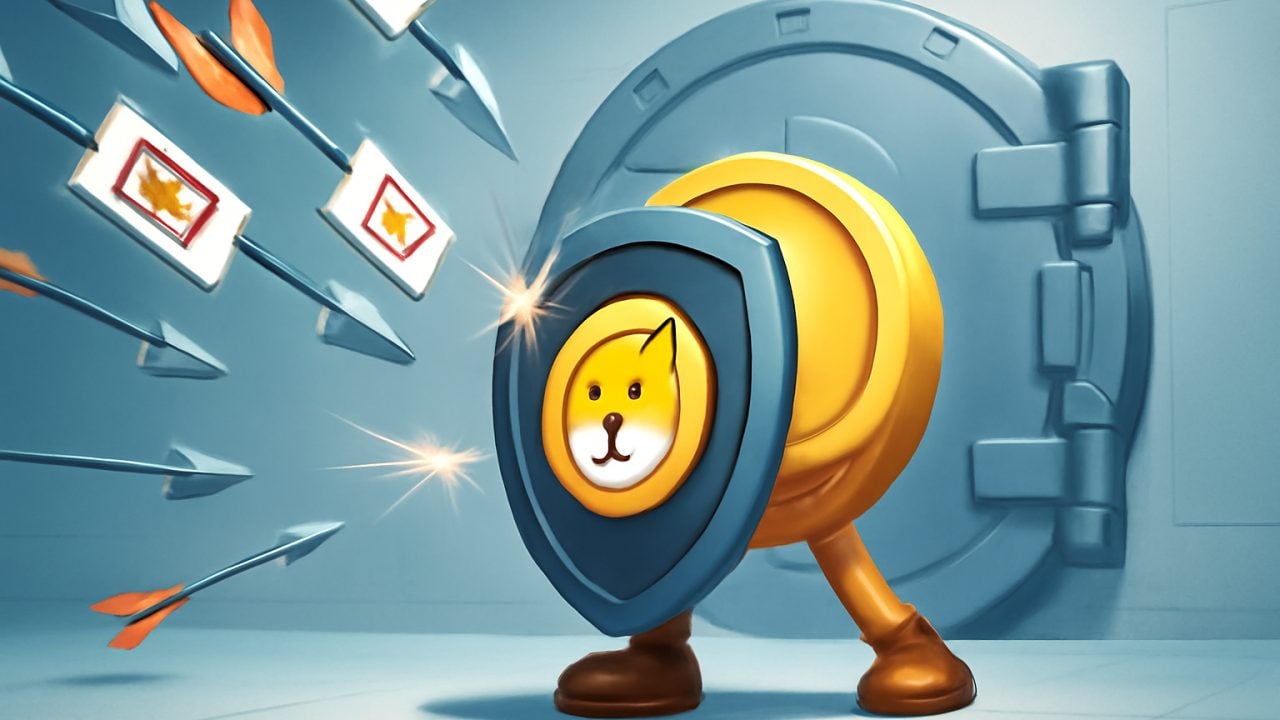
After a drain: what usually happens and what doesn’t
First, the obvious. If a treasury moves under the DAO’s own rules, there’s rarely a clean on-chain undo button. You might see community statements, exchange outreach, or reputational pressure, but reversals are rare unless funds touch a cooperative custodian or the attacker negotiates.
In the BONK case, reporting noted that roughly 4.43 trillion tokens left the treasury right after the vote executed. A small portion, about $188,000 worth, hit an exchange several hours later, while the bulk reportedly sat in a multisig afterward (CoinDesk). That buys time for narratives to play out, but it doesn’t change the core issue: the DAO’s parameters allowed it.
What you can expect next in similar scenarios: governance parameter proposals to raise thresholds, install or empower a guardian, codify spend caps, and boost delegation. Some projects also run participation drives and put a bounty on monitoring. Price action depends on market context and what the attacker does with the stash. There’s no single script.
Pitfalls and red flags
- Low fixed quorum with shrinking participation. If the same number keeps passing with fewer voters, capture risk is climbing.
- Uncapped treasury transfers to arbitrary addresses. Without spend limits or allowlists, one vote can move everything.
- No delay, instant execution. Great for routine ops, terrible when someone quietly buys quorum overnight.
- Thin delegate set. If only a handful of delegates are active, one counterparty can overwhelm them.
- Holiday and weekend votes. Scheduling sensitive proposals during attention troughs is asking for trouble.
- Exchange accumulation spikes. Sudden buy volume of the governance token during an active vote is a bright red flag.
If you want deeper coverage and ongoing follow-ups as the story evolves, we cover governance, on-chain activity, and market structure day by day at Crypto Daily.
Frequently Asked Questions
Was the BONK incident a hack or a governance attack?
It was a governance attack. Reporting described the proposal and vote as functioning within the DAO’s parameters at the time, which is why you’ll see phrases like technically legal used in coverage (CoinCentral). No smart contract bug was exploited in the classic sense.
How much voting power did the attacker need to pass it?
Coverage indicates the YES tally landed around 882.38 billion BONK against a quorum threshold of roughly 879.95 billion, with seven wallets voting in total and about 99.9 percent in favor. That’s a razor-thin margin above quorum with very low turnout (CoinDesk).
How did they get the votes so quickly?
According to reports, roughly $4.4 million was spent over July 4–5 buying around 882.285 billion BONK on centralized exchanges like Bybit and Binance, which was enough to meet quorum and dominate the result during a holiday lull (CoinDesk).
Can a DAO reverse an auto-executed transfer?
Usually not on-chain if the proposal followed the rules. Options are limited to social or legal pressure, outreach to custodians or exchanges, and parameter changes to prevent repeats. Reversals depend on cooperation, which is uncertain.
What governance settings would have blocked this?
Higher or dynamic quorums, treasury spend caps, allowlisted recipients, mandatory review windows, and a guardian veto are the big ones. Requiring staked or time-locked voting power can also make buy-to-vote attacks more expensive.
Is vote buying always malicious?
Not necessarily. Activists buy tokens to influence direction all the time. The issue is when proposals enrich the proposer directly or move large funds without clear purpose. Good treasuries separate routine spending from extraordinary transfers with stricter controls.
As a holder, what’s the simplest thing I can do right now?
Subscribe to proposal alerts and delegate your voting power to a reliable, active delegate. A little turnout goes a long way toward closing the opening that made this attack viable.
Disclaimer: This article is provided for informational purposes only. It is not offered or intended to be used as legal, tax, investment, financial, or other advice.




Be the first to comment