



In the seven years since Sota Watanabe founded Astar Network out of Japan, the global blockchain landscape has shifted from speculative bull cycles to a serious contest over who builds the rails for the next financial system. Today, Startale Group sits at an unusual intersection of that contest. It co-develops Soneium with Sony, builds tokenized securities infrastructure with SBI Holdings, issues both yen and dollar stablecoins, and runs a consumer app meant to make all of it invisible to end users.
Few crypto companies have managed to embed themselves so deeply with corporate Japan while staying credible to a crypto-native developer base, and fewer still have done it under a single founder. With $63M raised in Series A across Sony Innovation Fund and SBI, a recent JPYSC launch under Japan’s trust banking framework, and Watanabe’s own move to the United States to push Startale’s global expansion, the company has reached a point where its thesis is now being tested at scale.
In this conversation, we sit down with Sota to talk about what vertical integration actually looks like in practice.
Ishan Pandey: Hi Sota, welcome to our “Behind the Startup” series. You founded Astar Network back in 2019 and built it into Japan’s largest public blockchain. What did you learn from that experience that pushed you to start Startale Group as a separate, vertically integrated bet rather than continuing to scale Astar in the same shape?
Sota Watanabe: The one thing I learned after going through several crypto cycles is that when you are targeting the real-world economy and pushing for mainstream adoption, the “build it and they will come” approach will only get you so far. The crypto landscape can be confusing and fragmented. Many chains compete for the same users, and bridging across them while managing a portfolio across different projects adds significant complexity. This friction makes onboarding a deterrent, not just an inconvenience. There is far too much resistance in the system for institutional or retail adoption to take hold at scale.
The broader lesson from my earlier experience was that ecosystems do not scale sustainably when every layer evolves independently. At global scale, fragmentation becomes friction, and friction becomes a barrier to adoption. We realised that if we wanted to bring blockchain to mainstream users and global institutions, we could not rely on fragmented infrastructure owned by different parties with different incentives. We needed to coordinate the full stack ourselves: from the blockchain layer and developer infrastructure to wallets, stablecoins, and consumer applications.
Vertical integration allows us to move faster, control the user experience end to end, and eliminate the complexity that has historically held crypto back.
Ishan Pandey: Co-developing an Ethereum L2 with a Fortune Global 500 company is structurally very different from launching a chain as a crypto-native team. What were the hardest engineering and governance tradeoffs in building Soneium with Sony Block Solutions Labs, and where did the two cultures genuinely disagree?
Sota Watanabe: Working on Soneium with Sony Block Solutions Labs has been more than just a partnership and is one of the most valuable experiences we have had the opportunity to be part of.. It has given us a close look at how real industries operate at scale. Sony serves hundreds of millions of people across music, gaming, film, and electronics. The standard of quality, the depth of compliance, the attention to user experience: these are things you only fully appreciate by working alongside a company that has been doing it at a global level for decades.
This partnership shaped how we think about the user journey on Soneium. Crypto-native users accept gas fees and seed phrases as part of the experience. For Sony’s customers engaging through their applications, that friction had to be removed entirely, and it should not be something they ever need to think about. That insight drove engineering decisions from day one, because the blockchain has to be invisible without compromising the reliability and trust that Sony’s brand represents.
The collaboration also changed how I think about building infrastructure. In crypto, speed is oftenthe default. But when you are building for a new generation of users who are highly tech savvy with shorter attention spans and have a higher expectation in the products they choose to invest their time and money in, you realise that precision, user experience and reliability matter just as much as pace. That discipline is embedded in how Soneium operates today, and we are deliberate about not rushing to simply meet typical milestones in this part of the world. Building sustainable infrastructure and products that users can trust at scale requires patience and adaptability for a much longer-term mindset.
Ishan Pandey: JPYSC is positioned as Japan’s first yen stablecoin issued by a regulated financial institution. Walk us through why this issuance model is fundamentally different from the Tether or Circle reserve model, and what it changes for institutional users.
Sota Watanabe: What makes JPYSC fundamentally different from Tether or Circle is who is issuing it and what currency it represents. JPYSC is one of the rare cases where a fully established traditional financial institution is issuing a stablecoin natively under Japan’s regulated framework. That is a different starting point from issuers that emerged from inside the crypto industry and built trust outward. Here, the institutional trust comes first, and the onchain rails are built on top of it.
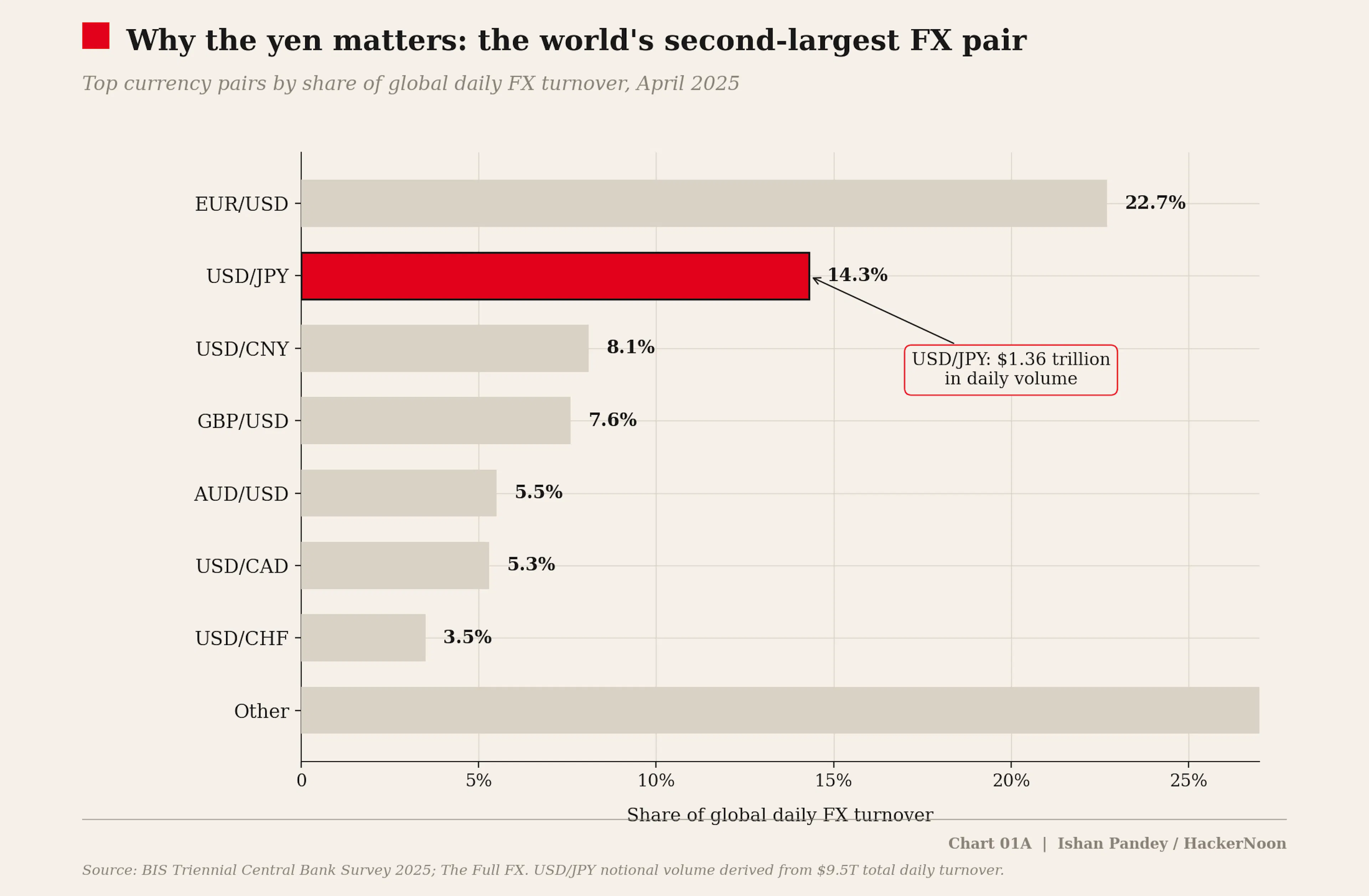
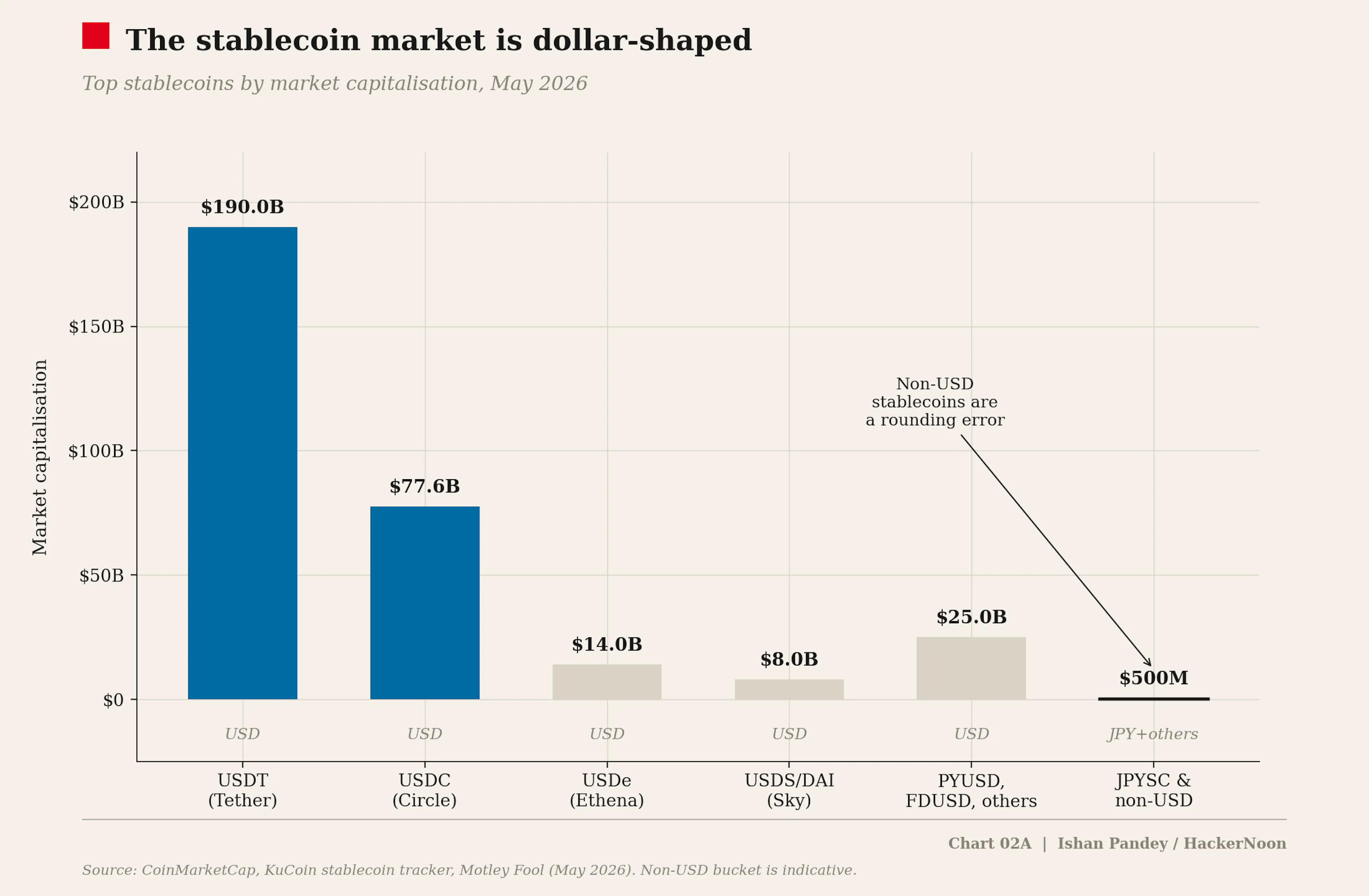
The second distinction is the currency itself. Circle and Tether are USD-denominated. JPYSC is yen-denominated. That distinction matters more than it might seem at first. The USD and JPY are two of the most heavily traded currencies in global FX, with hundreds of billions of dollars in daily volume between them.
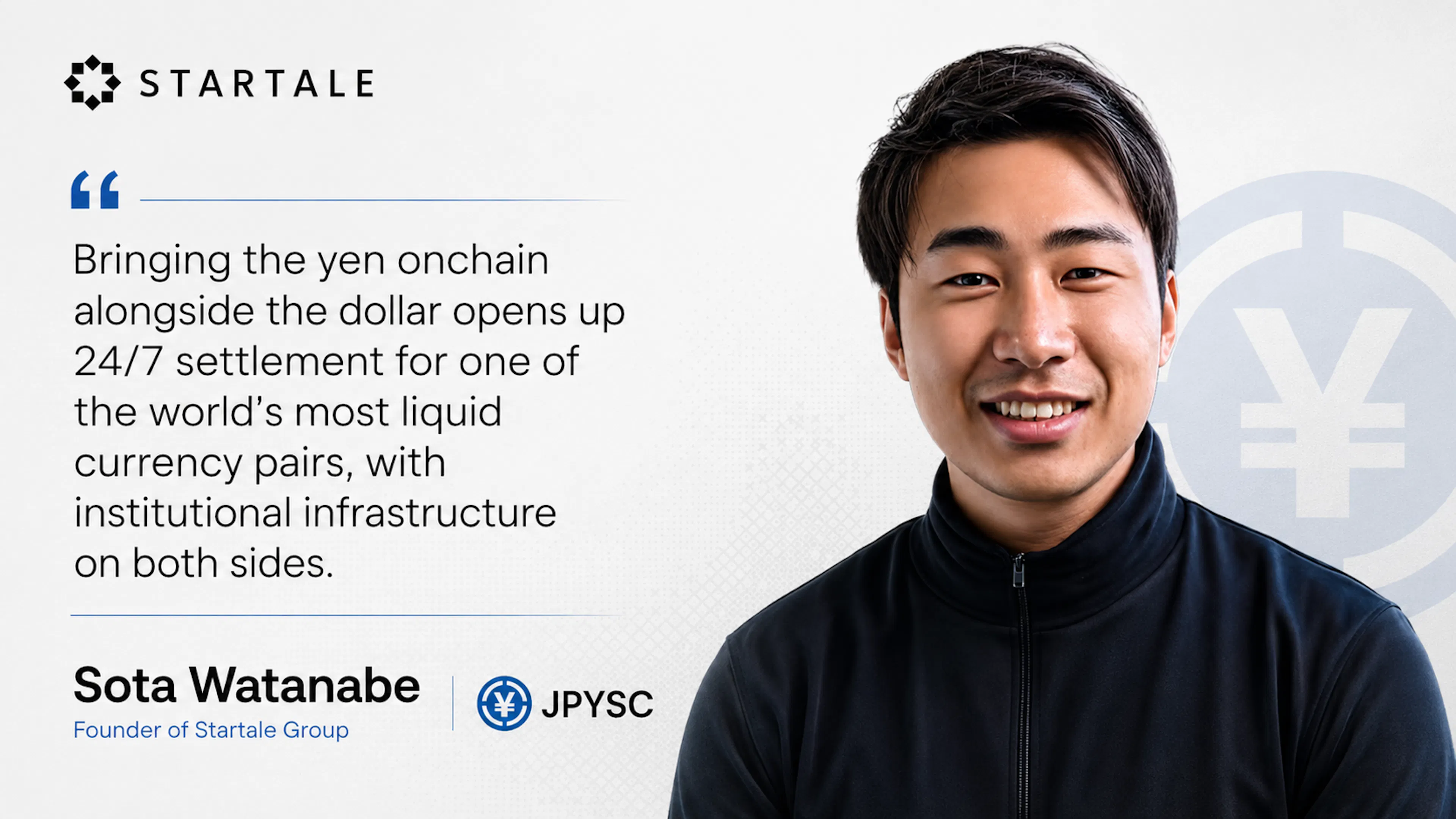
We are already seeing strong interest from major financial institutions exploring use cases around FX optimization, yen liquidity management, carry strategies, and time-zone-based currency efficiency across global markets.
Ishan Pandey: Strium, your tokenised securities platform with SBI, is targeting 24/7 trading of tokenised stocks and RWAs. The tokenisation narrative has had several false starts over the last five years. What is structurally different now, and where do you think the current wave of RWA platforms is still being overhyped?
Sota Watanabe: Tokenisation has had multiple false starts because most earlier efforts focused on putting traditional assets onchain without solving the underlying market structure problem. A tokenised stock is not inherently valuable just because it exists on a blockchain. If liquidity, distribution, settlement, regulation, and real economic incentives are missing, the product remains a wrapper around a traditional asset rather than a genuinely new financial primitive.
What is structurally different now is that several layers are finally converging at the same time. Regulation around stablecoins and tokenisation has become significantly clearer. Institutions are no longer experimenting from the sidelines; they are beginning to bring actual balance sheets, distribution networks, and licensed infrastructure onchain. And importantly, the infrastructure itself has matured enough to support 24/7 programmable markets at scale.
For Strium specifically, we are not approaching tokenisation as a standalone listing business.
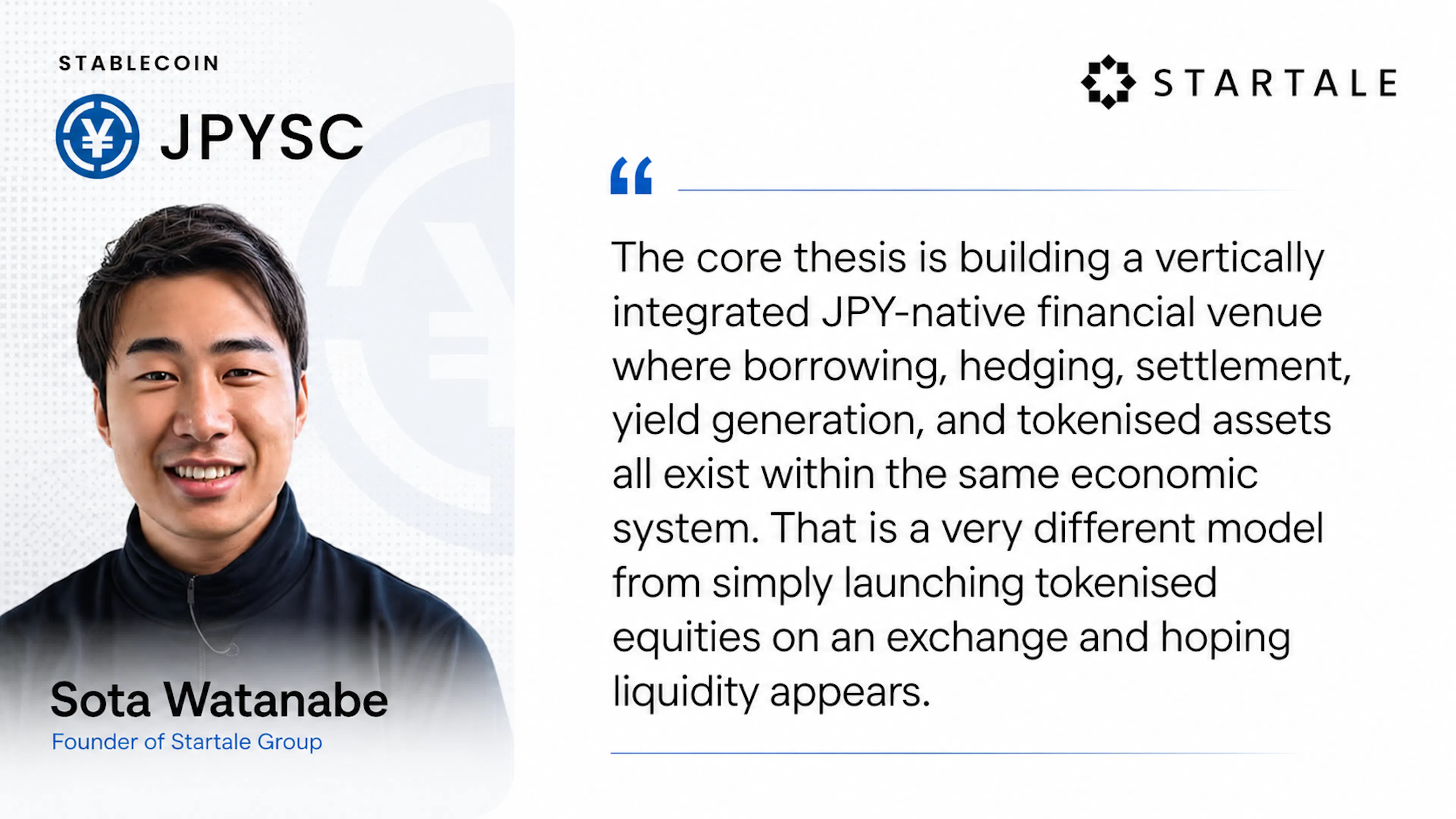
The reasons RWA narratives have been overhyped are manyfold, but the primary one is that some platforms assume bringing trillions of dollars of real-world assets onchain automatically means trillions of dollars of onchain liquidity. That is not how markets work. Liquidity is not created by tokenisation alone; it comes from incentives, distribution, market structure, and reasons for capital to remain inside the ecosystem.
Ishan Pandey: Looking at Soneium’s transaction and wallet numbers honestly, how much of that activity reflects real user demand versus incentive-driven behaviour, and how do you internally separate the two when planning the roadmap?
Sota Watanabe: Incentive-driven behavior is a valid go-to-market strategy, and this is proven through time. Some of the most successful consumer products in the world, from ride-sharing to food delivery to fintech, used incentives to educate users, build habits, and introduce new behaviors. We view our initiatives the same way: as a deliberate tool to introduce Soneium to our target users and help them understand what onchain experiences can offer. It is a positive part of our growth strategy.
We are working with conglomerates like Sony Group and SBI Holdings that already have hundreds of millions of users across their product lines. Very few blockchain projects can say that, and even fewer can actually deliver on it. The ambition is credible because the distribution already exists through our carefully selected partners.
How we pursue real demand is by building products that users actually need and that solve real problems for them. By removing the friction in onchain experiences, including wallet bridging and complex onboarding, we are working towards a point where users will not feel the difference between an onchain interaction and their daily digital activity. When that line disappears, onboarding loyal users from mainstream audiences becomes natural, because the complexity that kept people away is simply gone. That is how we plan the roadmap: reduce friction, build for real needs, and make onchain feel invisible*.*
Ishan Pandey: You recently relocated to the United States to drive Startale’s global expansion. Japan has given you regulatory clarity, deep corporate partnerships, and a home advantage. What is the strategic case for moving the centre of gravity to the US, and what is the risk of losing the Japan-native edge that has defined Startale so far?
Sota Watanabe: Japan was the right place to build compliant infrastructure, and it remains our home for regulated financial products and strong corporate partnerships. But you cannot build the future of onchain finance without also being present in the world’s largest economy. The US has the deepest capital markets, one of the largest talent pools, and a level of ambition around market leadership that is unique. To succeed and understand the opportunities here, you need to be physically here.
We are not moving the center of gravity. We are expanding it. Tokyo remains the home for regulated infrastructure and corporate Japan. The US gives us proximity to capital, developer communities, and the institutional players who are now looking seriously at onchain infrastructure for the first time. Our Japan-native edge will remain our core competitive advantage as more businesses look to us for an Asian perspective on how to navigate and build within the region.
Ishan Pandey: Where do you think Japan’s regulatory framework is genuinely ahead of the US and EU, and where is it quietly holding the industry back?
Sota Watanabe: On stablecoins, Japan is genuinely ahead. There is a relatively clear definition of what stablecoins are, who can issue them, and under what legal framework. JPYSC exists because Japan built the legal infrastructure to support institutional issuance of yen-denominated digital assets. They are operational frameworks that companies like ours are building on and abiding with today. Japan is also making real progress on tokenization with revisions designed to give institutions clearer pathways for bringing assets onchain. Progress on this will begin to accelerate very soon.
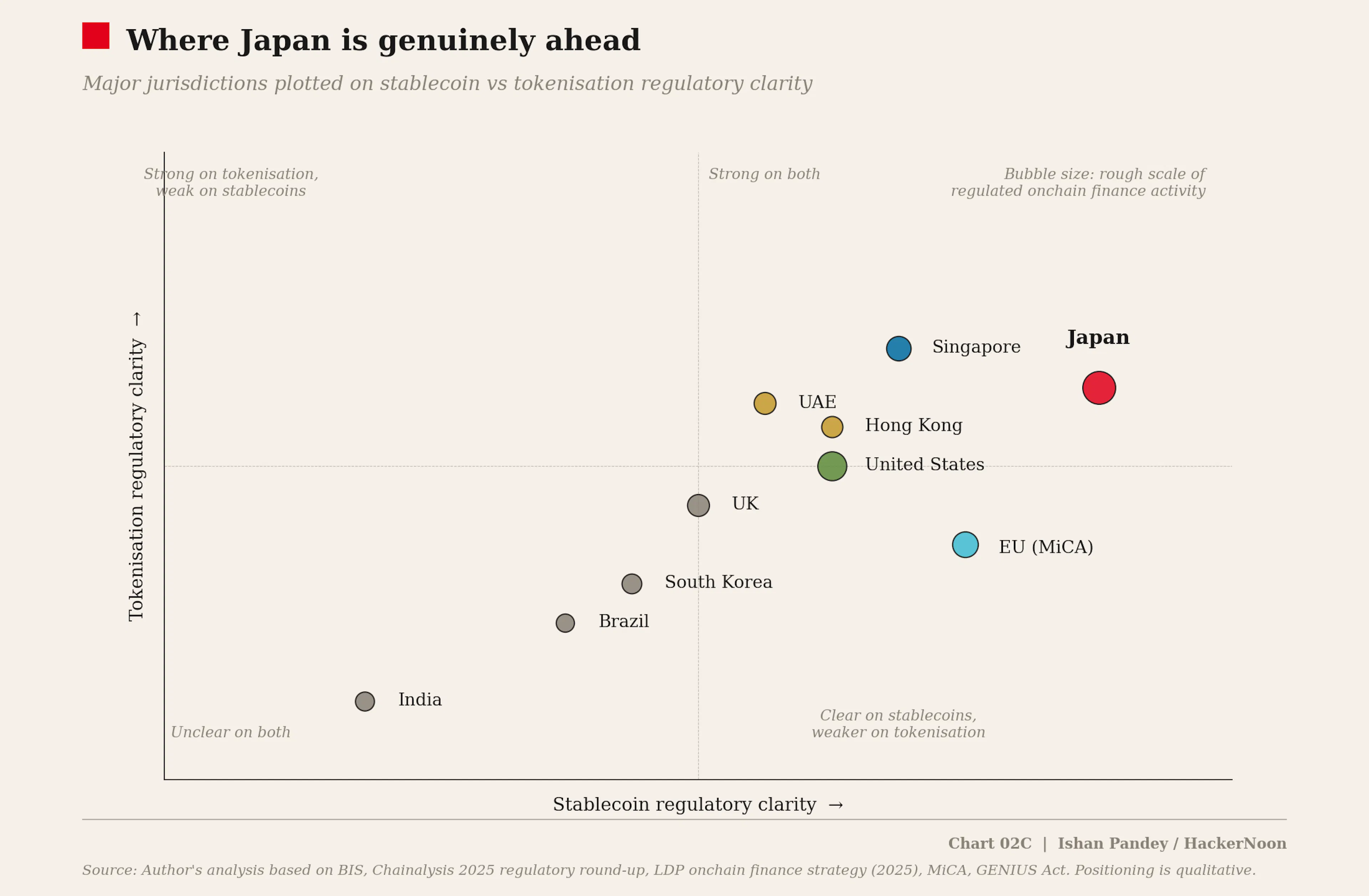
The LDP’s recent onchain finance strategy is another signal of where Japan is heading. Policymakers now frame blockchain infrastructure as part of a broader national strategy tied to economic resilience, financial modernization, and yen competitiveness. That level of alignment between technology policy and economic strategy is rare globally, and it creates an environment where institutions can experiment with blockchain infrastructure without legal ambiguity.
Don’t forget to like and share the story!



Be the first to comment