


Published: Mar 22, 2026 at 20:01
Updated: Mar 22, 2026 at 20:10

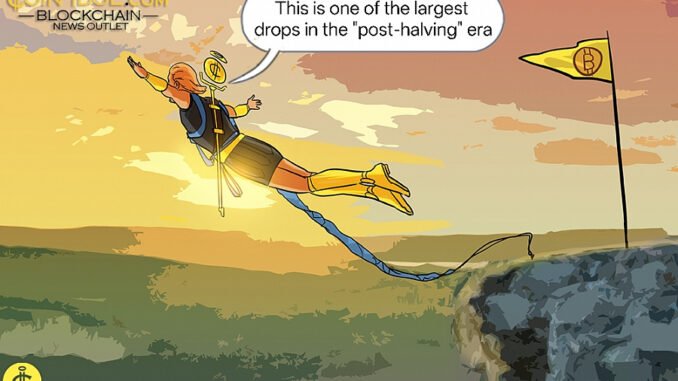
A massive shift in the physical layer of the blockchain occurred this week as Bitcoin mining difficulty plummeted by 7.8%

This is one of the largest drops in the “post-halving” era. This isn’t just a sign of miners struggling with electricity costs; it’s the signal of a “Great Compute Migration.”
Reports from March 21–22, 2026, confirm that major public mining firms are rapidly decommissioning older SHA-256 rigs in favor of high-performance GPU clusters dedicated to AI model training and inference. As the demand for AI compute power continues to outpace supply, miners have discovered that their massive data centers and power contracts are more profitable when running neural networks than searching for the next Bitcoin block.
This exodus has created a fascinating “Scarcity Feedback Loop.” While fewer miners might suggest a drop in network security, the remaining players are utilizing next-generation 3nm ASIC miners, keeping the hashrate relatively stable despite the difficulty drop.
Meanwhile, firms like Hut 8 and Core Scientific are being re-rated by Wall Street as “AI Infrastructure” plays rather than just crypto miners.
For the Bitcoin network, this pivot effectively cleanses the “weak hands” of the mining world, leaving behind only the most efficient, long-term operators. For the broader tech world, it proves that the blockchain industry’s greatest legacy might not just be a new form of money, but the physical infrastructure required to power the intelligence of the 21st century.
Disclaimer. The data provided is collected by the author and is not sponsored by any company or token developer. This is not a recommendation to buy or sell cryptocurrency and should not be viewed as an endorsement by Coinidol.com. Readers should do their research before investing in funds.



Be the first to comment