



The demand for blockchain and Web3 talent continues to grow, giving freelancers more opportunities to work directly with crypto companies and startups. Today, several platforms are built specifically for crypto work, helping professionals find projects, receive payments in digital assets, and avoid many of the fees and limitations of traditional freelance marketplaces.
Why a Crypto-Native Platform Beats a Generic Job Board
A general freelance site can still get you Web3 work. But platforms built just for this industry solve two problems a regular site does not. First, they pay you in crypto instead of sending money through a bank transfer or PayPal.
Second, several use smart contract escrow. That means the payment sits in the contract and releases on its own once both sides agree the work is done. That second point matters most when you are working with a client you have never met, since the payment rules are locked into the contract itself instead of you having to trust the client to pay up.
Crypto payments are still a minority choice for freelancers. A 2026 global freelance payment methods report from Jobbers found that only 8% of freelancers worldwide get paid in crypto. That number jumps in countries where the local currency loses value fast: 22% in Argentina, 18% in Nigeria, and 31% in Venezuela.

For a wider look at how these platforms compare to regular job boards, our ranking of the top Web3 and crypto job boards breaks down how many listings and job types each site offers, helping you compare more options across the industry.
The 7 Freelance Crypto Platforms Worth Exploring in 2026
Here are 7 platforms worth exploring if you are a crypto freelancer in 2026.
1. LaborX
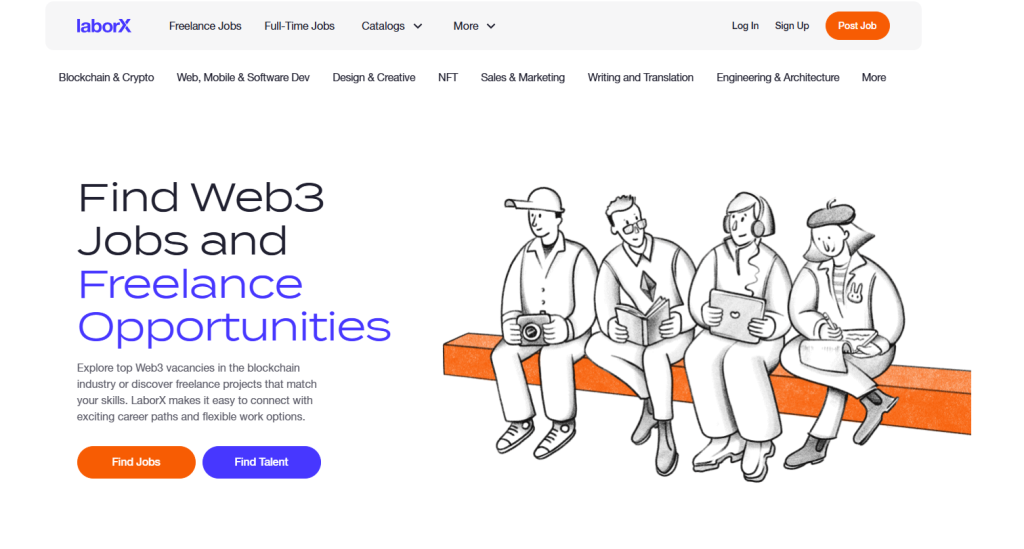
LaborX is a blockchain-powered freelance marketplace built specifically for crypto, Web3, and blockchain-related work. It connects freelancers with global clients looking for specialized skills across roles such as smart contract development, blockchain engineering, design, writing, and other Web3-focused services. Payments are handled in cryptocurrency, which removes the need to work through traditional banking systems with international clients.
The platform uses a smart contract-based escrow that helps secure payments and ensures both parties meet agreed terms before funds are released. It supports multiple cryptocurrencies, including ETH, stablecoins, and BNB Chain tokens, and gives freelancers access to both short-term gigs and long-term freelance contracts. A built-in reputation system also tracks job history, ratings, and completed work to help build credibility.
2. CryptoTask

CryptoTask is a decentralized freelance platform built on blockchain technology that connects freelancers directly with clients. It reduces reliance on intermediaries by using smart contracts for agreements and payments. The platform supports a wide range of freelance roles across technical, creative, and professional services, with payments typically made in cryptocurrency.
CryptoTask connects clients and freelancers directly, without a middleman, and uses on-chain escrow powered by smart contracts to hold and release funds after approval. Minimal platform and transaction fees keep costs lower than many alternatives, and the platform covers multiple job categories across technical, creative, and marketing roles. Payments are made in cryptocurrency for quicker, cross-border settlement.
3. Web3.Career

Web3.Career is a job board focused on Web3 and crypto roles. Rather than acting as a freelance marketplace, it collects job listings from blockchain projects and companies, including freelance, contract, and remote positions. You can find opportunities in development, design, marketing, operations, HR, and other roles across the industry.
Web3.Career pulls in regularly updated listings from Web3 and crypto companies, with a mix of freelance, contract, and remote job opportunities. Roles are available for both technical and non-technical skill sets, and simple search and filters help narrow down relevant listings.
4. Fiverr
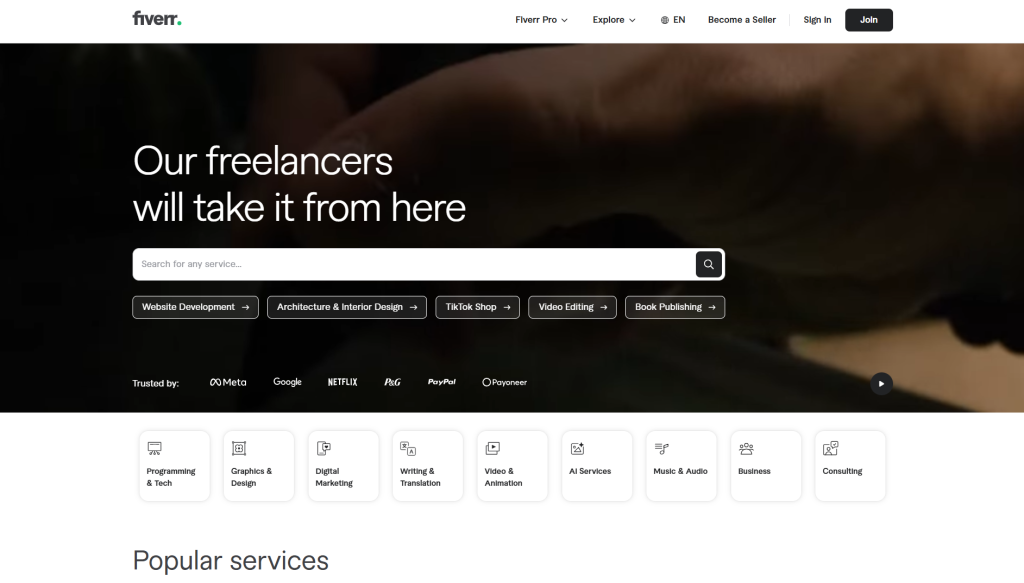
Fiverr is one of the largest gig-based freelance marketplaces, connecting millions of clients and freelancers worldwide. It runs a dedicated blockchain and cryptocurrency category covering smart contract development, blockchain protocol work, NFT creation, wallet development, and chain analysis. Instead of bidding on hourly contracts, freelancers list fixed-price gig packages that clients buy directly, which shortens the negotiation step common on other marketplaces.
Fiverr runs a dedicated blockchain and cryptocurrency category with specific subcategories, including smart contracts, protocol development, and chain analysis. Freelancers set fixed-price gig packages with tiered pricing upfront rather than negotiating hourly rates per client, and Fiverr Pro offers a vetted tier for higher-budget projects that need an agency-level track record. Built-in messaging, order tracking, and revision requests are attached to each gig.
5. Remote3
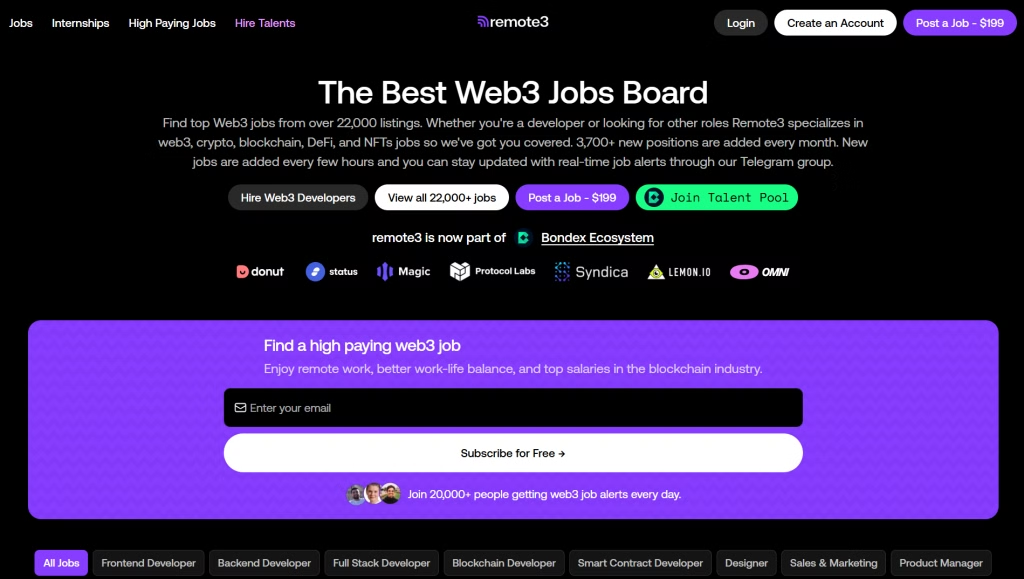
Remote3 is a job board dedicated to remote opportunities in Web3 and crypto. It focuses on roles related to blockchain, DeFi, NFTs, and other decentralized technologies, with many listings suited to freelancers and contract-based workers. The platform features a large number of postings from crypto-native companies and startups, covering both technical and non-technical roles.
The platform focuses exclusively on remote jobs within Web3 and crypto, and it is frequently updated with a large volume of new job listings. Opportunities span both technical and non-technical work, with listings from blockchain projects, startups, and established crypto companies. Search and filtering options help match roles to specific skills.
6. CryptoJobs.com
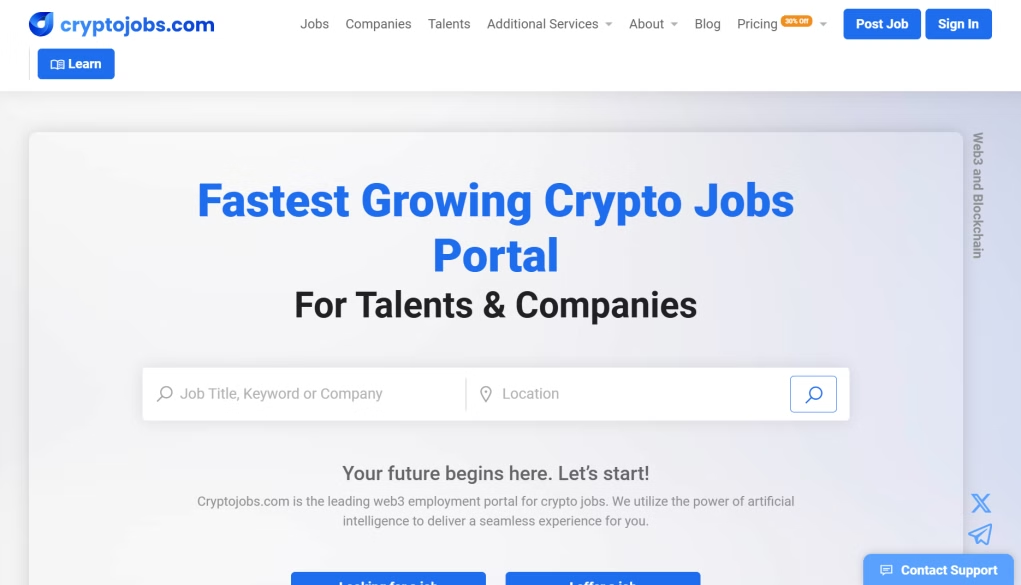
CryptoJobs.com is a career platform built specifically for the cryptocurrency, blockchain, and Web3 industry. It gathers listings from companies worldwide hiring for roles in this space, including freelance, contract, and full-time positions, and highlights opportunities from both emerging startups and established crypto projects.
CryptoJobs.com is a career platform dedicated entirely to crypto, blockchain, and Web3 roles, with global listings that lean heavily toward remote and distributed teams. Opportunities come from both early-stage startups and established blockchain companies, spanning a wide range of roles across technical, creative, and business functions. Listings are refreshed frequently to reflect active hiring in the industry.
7. Gitcoin
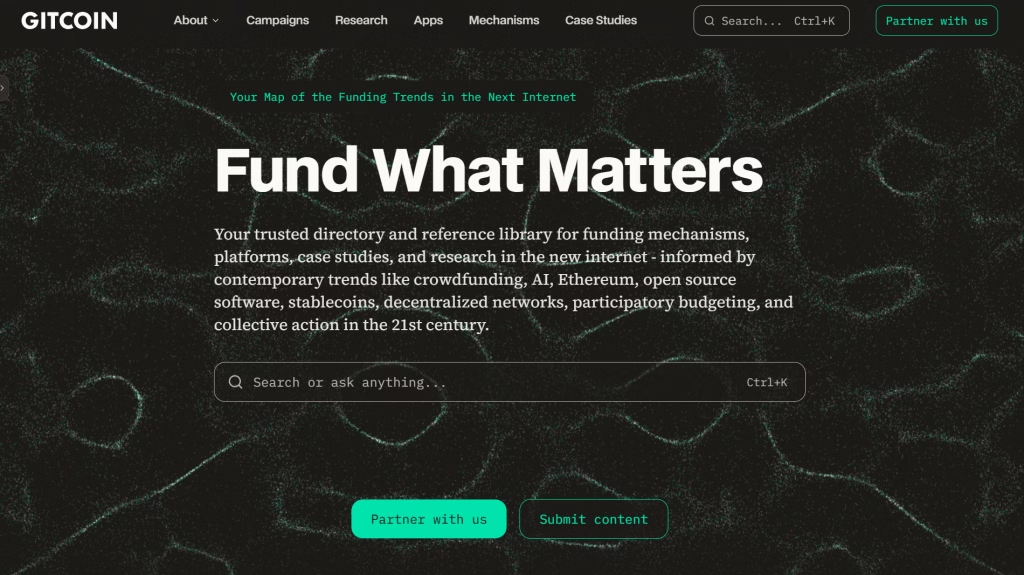
Gitcoin is a Web3 platform focused on bounties, grants, and open-source collaboration. Instead of traditional job postings, it lets projects post specific tasks or funding opportunities that freelancers can complete and get paid for in crypto. Blockchain communities widely use it to support development, research, and ecosystem growth through decentralized funding.
This freelance platform runs on a bounty-based work system where freelancers complete specific tasks for crypto rewards, alongside a grants program that funds open-source and Web3 projects. The platform keeps a strong focus on the Ethereum ecosystem and public goods development, giving freelancers direct participation in decentralized project funding and community-driven initiatives. Payments are made in cryptocurrency through blockchain-based coordination.
Common Mistakes to Avoid When Choosing a Platform
Picking a platform on name recognition alone leads to avoidable losses. A few mistakes come up often enough to call out directly.
- Settling payment outside the platform’s escrow. Some clients ask to pay directly to a wallet address to skip platform fees. That also skips the dispute protection the escrow exists for, and freelancers who agree to it have no recourse if a client stops responding after receiving deliverables.
- Confusing a job board with a marketplace. Web3.Career and Remote3 list postings but do not hold funds in escrow. Payment terms on those sites are negotiated directly with the client, so the buyer protections available on LaborX or CryptoTask do not apply there.
- Not checking which tokens a platform supports before agreeing to a rate. A rate quoted in a volatile token can lose real value between contract signing and payout if the platform does not offer a stablecoin option.
- Skipping a client’s on-chain payment history. Platforms with reputation systems, like LaborX, show completed job history. Ignoring that history before starting unpaid trial work removes one of the few screening tools a freelancer has.
Start With One Small Contract Before Committing
Before committing to any crypto freelance platform, try taking on one small paid project first. It’s an easy way to see what the experience is really like, from finding work and communicating with clients to getting paid. You’ll also learn how long payouts take, what fees the platform charges, and how it handles issues if something goes wrong. A small test project can give you the confidence to decide whether the platform is worth using for bigger opportunities.
Frequently Asked Questions
Here are quick answers to what most freelancers ask before trying one of these platforms for the first time.
Do I need a crypto wallet to use these platforms?
Yes. Every platform on this list pays out in cryptocurrency, so you will need a wallet that supports the tokens the platform uses, such as ETH or a major stablecoin. Set the wallet up before applying to any job so you are not scrambling to receive your first payment.
Which platform is best for someone with no on-chain reputation yet?
Job boards like Web3.Career and Remote3 do not require an existing reputation score since they simply list postings, making them a lower-friction starting point. Marketplaces like LaborX and CryptoTask reward completed jobs with reputation, so early contracts there matter more for building future credibility.
Are earnings from these platforms taxable?
In most jurisdictions, yes, and rules vary by country and by how the payment is classified. Freelancers should keep records of every payment and consult a tax professional familiar with cryptocurrency income rather than relying on general guidance.
Can I get paid in stablecoins instead of a volatile token?
Several platforms, including LaborX and CryptoTask, support stablecoin payments. Confirm this with the client or check the platform’s supported token list before agreeing to a rate, since not every project on every platform offers that option by default.





Be the first to comment