



In brief
- Sony told a federal court on August 21 that reasonable consumers would not be misled into thinking they own the digital games they pay for.
- Its filing argues that ownership is implausible because two plaintiffs bought the same game 11 days apart—had the first owned it, the second could not have bought it.
- The proposed class action, filed in June by four California PlayStation customers, alleges the store’s checkout fails a disclosure law in force since January 2025.
Sony has told a federal judge that no reasonable consumer believes they own the digital games they pay for on the PlayStation Store, according to an August 21 filing reviewed by Game File.
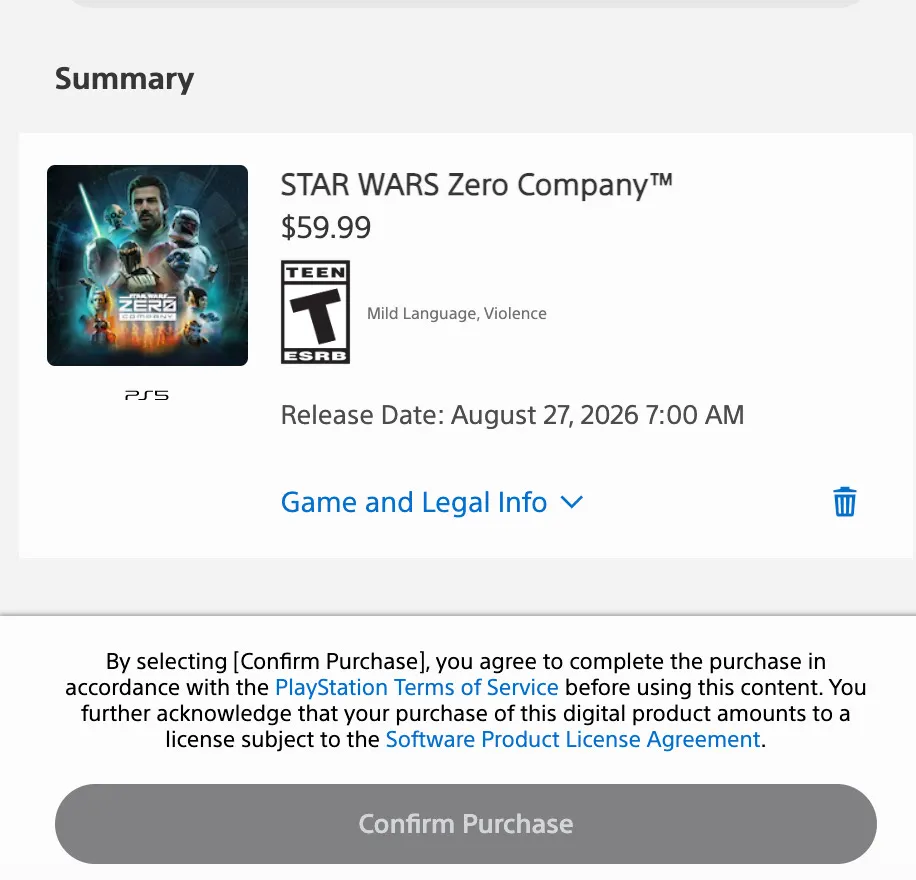
The filing is the company’s first substantive answer to a proposed class action brought in June in the Northern District of California by four California PlayStation customers. They allege the store’s “Buy Now” and “Confirm Purchase” buttons imply ownership when the transaction hands over only a revocable license.
The suit’s first count is brought under Section 17500.6, added to California’s false advertising law by AB 2426, which took effect in January 2025. It bars sellers from using “buy,” “purchase,” or any term a reasonable person would read as conferring unrestricted ownership, unless the checkout carries a clear and conspicuous statement, in plain language, that buying the digital good is a license.
Sony says its checkout already does that. Fine print in the cart links to the PlayStation Terms of Service and the Software Product License Agreement. The terms of service tell customers they “do not own the product,” in the eighth of 18 sections; the license agreement says the software is “licensed to you, not sold,” several hundred words in.

The filing goes further, arguing that ownership is not something a buyer could plausibly expect. Jason Mendoza bought Resident Evil Requiem on February 14; Edward Heycock bought the same game for $69.99 on February 25. Had Mendoza owned it, Sony’s lawyers wrote in a passage quoted by the outlet, Heycock could not have bought it—which makes it “not plausible to allege that reasonable consumers believed they were obtaining ‘ownership’” of a digital game.
What the filing seeks
Sony’s primary request, per Game File, is that the judge send the dispute into private arbitration, on the grounds that PlayStation’s terms commit users to settle claims that way. The ownership arguments apply only if the judge refuses.
Arbitration removes the risk of a jury verdict, and PlayStation’s terms of service carry an express class action waiver requiring claims to be brought individually.
Sony said on July 1 that it will stop producing physical discs for new PlayStation games from January 2028, leaving the PlayStation Store and digital retailers the only route to new releases. Sony Group is reportedly planning a dollar-denominated stablecoin for purchases across its digital ecosystem.
The judge has not yet ruled on the arbitration request.
Daily Debrief Newsletter
Start every day with the top news stories right now, plus original features, a podcast, videos and more.



Be the first to comment