



The CLARITY Act faces possible defeat in the Senate on Sept. 15. Republican lawmakers say talks remain stalled over presidential ethics. Disputes involving stablecoin rewards and protections for decentralized finance developers have also weakened support for the bill.
Semafor reported the CLARITY Act’s worsening outlook on Sept. 8. Two Democratic aides said negotiations had made little progress on an ethics provision. It would govern crypto profits involving presidents and close family members.
Sen. Mike Rounds said things were looking bleak. Sen. Thom Tillis cautioned that there was no chance that the bill could pass unless there was movement from the White House. He connected its chances of success directly to an agreement on the ethics issue.
Also Read: Visa Stablecoin Cards See Payment Volume Surge Nearly 200%

The White House clarified that President Trump continued to want Congress to approve the bill. Democrats criticized the bill for not addressing some companies owned by relatives of the president.
Why Are Ethics Rules Blocking the CLARITY Act?
Democrats believe there should be strict restrictions when it comes to the money made through cryptocurrency by presidents and their immediate family members during their tenure. Public Citizen believes that the protections are not only extremely narrow but that divestment should take place in businesses that are conflicting.
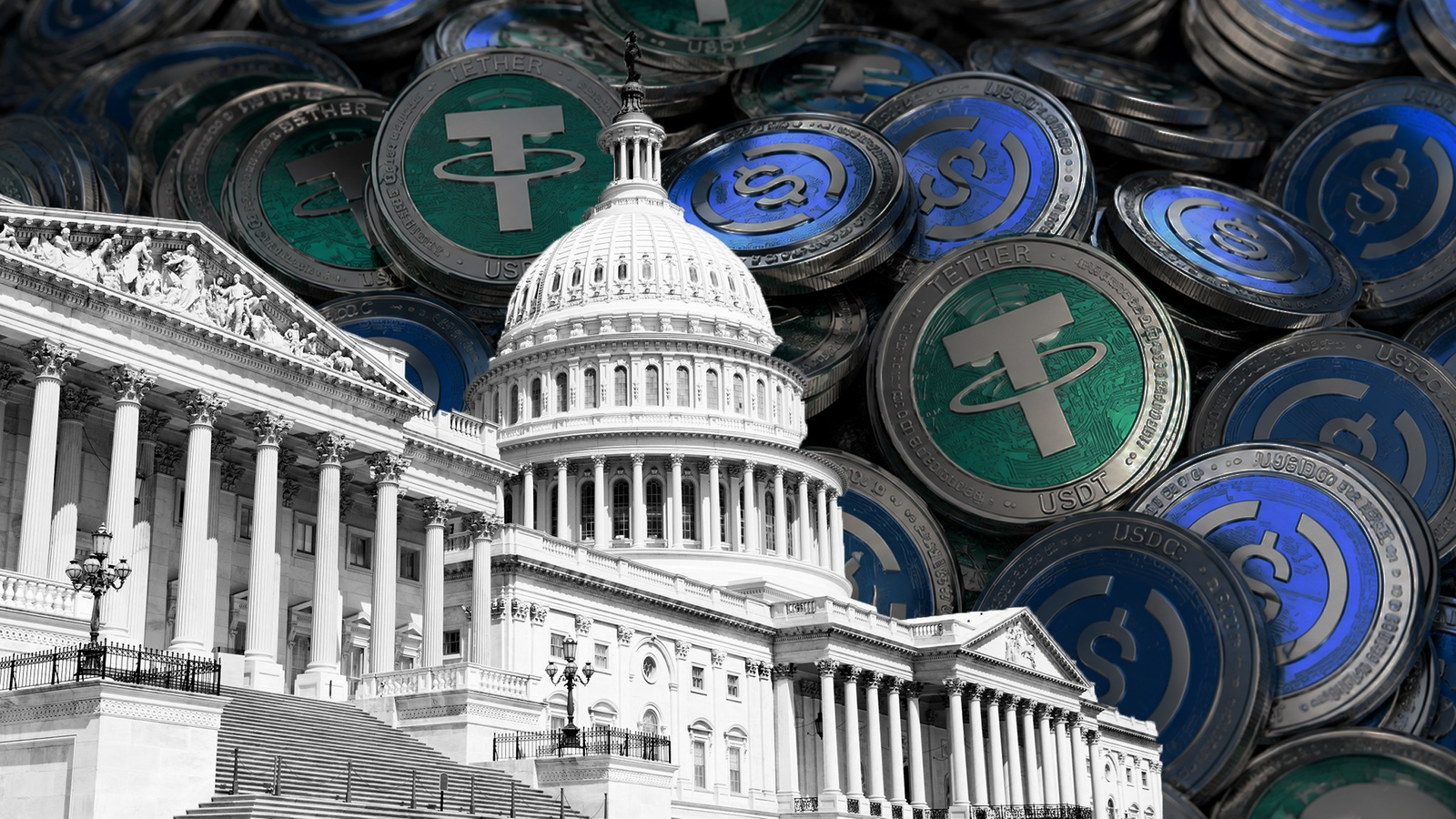
Reward-based stablecoins are causing division as well. Community banks believe that such incentives could divert funds from the insured banking sector. Crypto exchanges claim that banning such rewards would reduce competition and provide fewer rewards for customers.
The Senate proposal prohibits any passive reward similar to the deposit on the balance of the stablecoin used as a payment means. At the same time, the rewards connected to the actual use of transactions or any activity can still take place.
When Will the Senate Hold Its Vote?
The motion for cloture was filed by Senate Majority Leader John Thune ahead of the start of Congress’ August recess. Cloture on H.R. 3633 will mature at 2:15 pm ET on September 15. The senators will return from their break one day earlier than that.
Cloture will settle whether debate should start in the Senate, but not whether final passage should occur. In the Senate, according to Senate rules, cloture must be supported by 60 votes.
There are 53 Republicans in the Senate. Thus, if all 53 senators were in favor of the bill, the latter would have to be supported by at least seven Democrats or independents.
Senators Josh Hawley and Rand Paul were noted as potential Republican opponents of the bill. Hawley expressed worries about stablecoin awards, while other Republicans called for stronger protections of community banks’ deposits.
Passage of the motion will enable debate and amendments. While the final passage will usually happen with a simple majority, any amendments in the Senate have to be approved in the House before being sent to the President.
What Would the CLARITY Act Change?
Under the CLARITY Act, the two agencies will take up the regulation of federal oversight. This will include setting criteria that help to determine whether any token is a security or a digital commodity.
The House approved its bill by a margin of 294-134 in July 2025. In the process, 78 Democrats supported all voting Republicans. The Senate Banking Committee then advanced its version by a vote of 15-9 in May 2026.
In terms of regulation, this could give investors the clarity of knowing which regulatory agency will oversee each particular token and trading platform. Failure to pass the legislation will result in continued reliance on the current law and regulations.
How Is the Crypto Industry Responding?
The Cedar Innovation Foundation has announced a seven-figure cable ad push for the CLARITY Act. The pro-Fairshake organization will air three national ads. Two will tout market regulations, whereas another one will target banks who have opposed the bill.
More funds can be directed by crypto interest groups towards congressional races following their loss. But it seems that voter awareness is uneven. Sen. Roger Marshall shared with Semafor that his constituents from Kansas have not mentioned the bill to him.
Timing becomes an issue. The legislative calendar shows how many days Congress has left to work until midterms come along. Leaders in the House are planning to adjourn for the month of September after September 17.
At the same time, the SEC continues making crypto regulations based on existing laws. Paul Atkins, the Chairman of the SEC, emphasized that legislative action was important for creating sustainable regulations. A potential regulator can undo what the agency has been doing, he added.
The September 15 vote can show if bipartisan support of the past still exists. With no ethics agreement and sufficient support for stablecoin rewards, the CLARITY Act may fail even before the start of debates.
Also Read: Why Copper Price Just Reached a New All-Time High



Be the first to comment