



The Nvidia licensing deal with AI chip startup Groq is facing scrutiny from the U.S. Justice Department over potential antitrust concerns. The department is examining whether Nvidia structured the $17 billion agreement to avoid traditional merger review.
Nvidia shares closed at $223.67 on September 9, down 0.91%, according to market data. The stock remains near recent highs despite broader market pressure, as per The New York Times reported. The investigation adds regulatory risk for investors as Nvidia expands its role across artificial intelligence infrastructure, licensing, startup financing and strategic acquisitions across the AI industry.
The Nvidia licensing deal announced in December gave Nvidia a nonexclusive license to Groq’s inference technology. Nvidia hired Groq founder Jonathan Ross, along with chief operating officer Sunny Madra and other employees. Groq said it would remain independent under new CEO Simon Edwards, while its cloud computing business would continue operating independently.
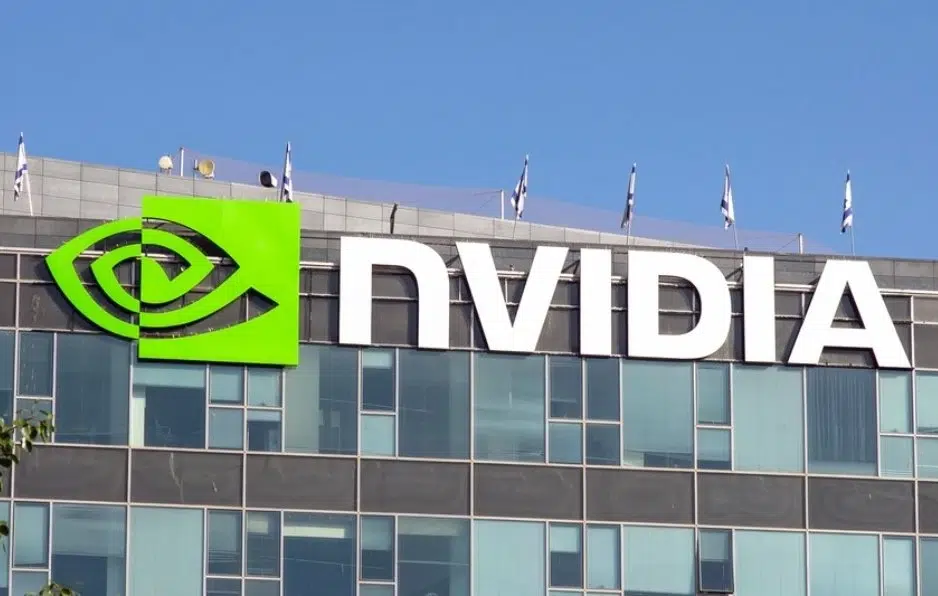
Also Read | Germany Crypto Tax Plan Targets 25% Rate on New Crypto Gains

Nvidia Licensing Deal Draws DOJ Scrutiny
The Justice Department opened its investigation shortly after the agreement was announced and sent Nvidia a formal request for information, according to the report. Officials are examining whether the arrangement transferred technology, talent and resources in a way that should have triggered antitrust review similar to a traditional merger review. An Nvidia spokesperson said in a statement.
The Groq story is a prime example of the American system working as designed to promote innovation, reward entrepreneurs, and benefit consumers.”
Technology companies increasingly use licensing agreements and employee hiring to secure intellectual property and expertise without purchasing another company outright. Such structures can avoid automatic merger reviews. Regulators are examining whether some arrangements can produce similar competitive effects by concentrating talent, technology and resources while formally remaining separate businesses legally.
Nvidia Groq Deal Faces Regulatory Scrutiny
The Federal Trade Commission’s director, Andrew Ferguson, told Bloomberg in January that the agency had started looking into whether these transactions were set up to evade regulatory inspection.
Senate Democrats have also questioned these agreements. Senators Richard Blumenthal of Connecticut and Elizabeth Warren of Massachusetts have demanded that the Justice Department and the FTC look into some of the transactions, including Nvidia’s collaboration with Groq.
The case could affect how Nvidia and other AI companies structure future partnerships with startups. A finding of wrongdoing could result in a financial penalty, as Reuters reports.
Nvidia faces wider regulatory pressure
The growing presence of Nvidia in the industry makes the question topical, not only concerning Groq. The company provides critical infrastructure for computers and also invests in start-ups and grows through acquiring other companies. The latest news about its US$12.9 billion deal with the AI platform Hugging Face is the largest deal in the history of Nvidia and helps increase its scrutiny due to its expansion into the realm of AI.
The startup still operates independently even after agreeing with Nvidia. The startup recently announced that it was planning on raising funds worth US$350 million and would include Nvidia among its investors. Groq had been valued at around US$7 billion, and the investor list included institutional giants.
Nvidia Licensing Deal Draws DOJ Attention
The inquiry comes as competition in AI chips expands beyond Nvidia’s core graphics processors. Groq specializes in inference hardware designed to deal with output from AI models, thus staying relevant with changing demands moving towards real-time applications. In this case, Nvidia could potentially benefit from it, but the question of concentration of competition arises in the context of AI systems.
For an investor, the issue of Nvidia’s licensing agreement can be seen as a case of regulatory uncertainty, rather than a change in Nvidia’s business practices. There are no charges made against the company, and the investigations may end up without any enforcement actions. However, further investigations and enforcement actions may increase compliance costs for the company, affecting its future technology transactions.
Department of Justice is expected to continue reviewing documents and details of transactions before deciding on enforcement. In this regard, Nvidia’s licensing agreement is argued to be aligned with the American innovation-oriented regulatory environment. The department declined to comment on the specific matter, while Groq had not immediately responded to requests for comment.
Also Read | US Bank Tests USBDC Stablecoin for 24/7 Cross-Border Pay



Be the first to comment