



The US stablecoin policy is gaining attention as Washington considers partnerships to promote dollar-backed tokens overseas. The proposed initiative aims to strengthen the dollar’s global position and increase demand for US Treasury securities.
According to Bloomberg’s report, the Trump administration is considering joint ventures with private companies to support international stablecoin projects. The Treasury and State departments are among the agencies involved in the discussions.
The US International Development Finance Corporation is also being considered for a role. However, officials have not announced a final structure, funding arrangement, or implementation timeline for the initiative.
US Stablecoin Policy Seeks Wider Treasury Demand
The US stablecoin policy aims to increase demand for American debt through international digital payments. Under the US stablecoin policy, dollar-backed issuers hold cash and short-term Treasury securities as reserves. Wider adoption could generate additional demand for these assets.

Also Read: CFTC Chair Signals Tokenization Push After CLARITY Act Setback
Outflows of deposits from banks are also important in this matter. People who transfer their funds to stablecoins influence the functioning of the banking system. And this influence will partially depend on the investment policy of the issuers of these assets.
On September 22, the European Central Bank expressed its concern about these facts. The ECB suggested altering European reserve policies to lower the dependence on unstable deposits of stablecoin issuers. The recommendation concerns the MiCA regulation framework.
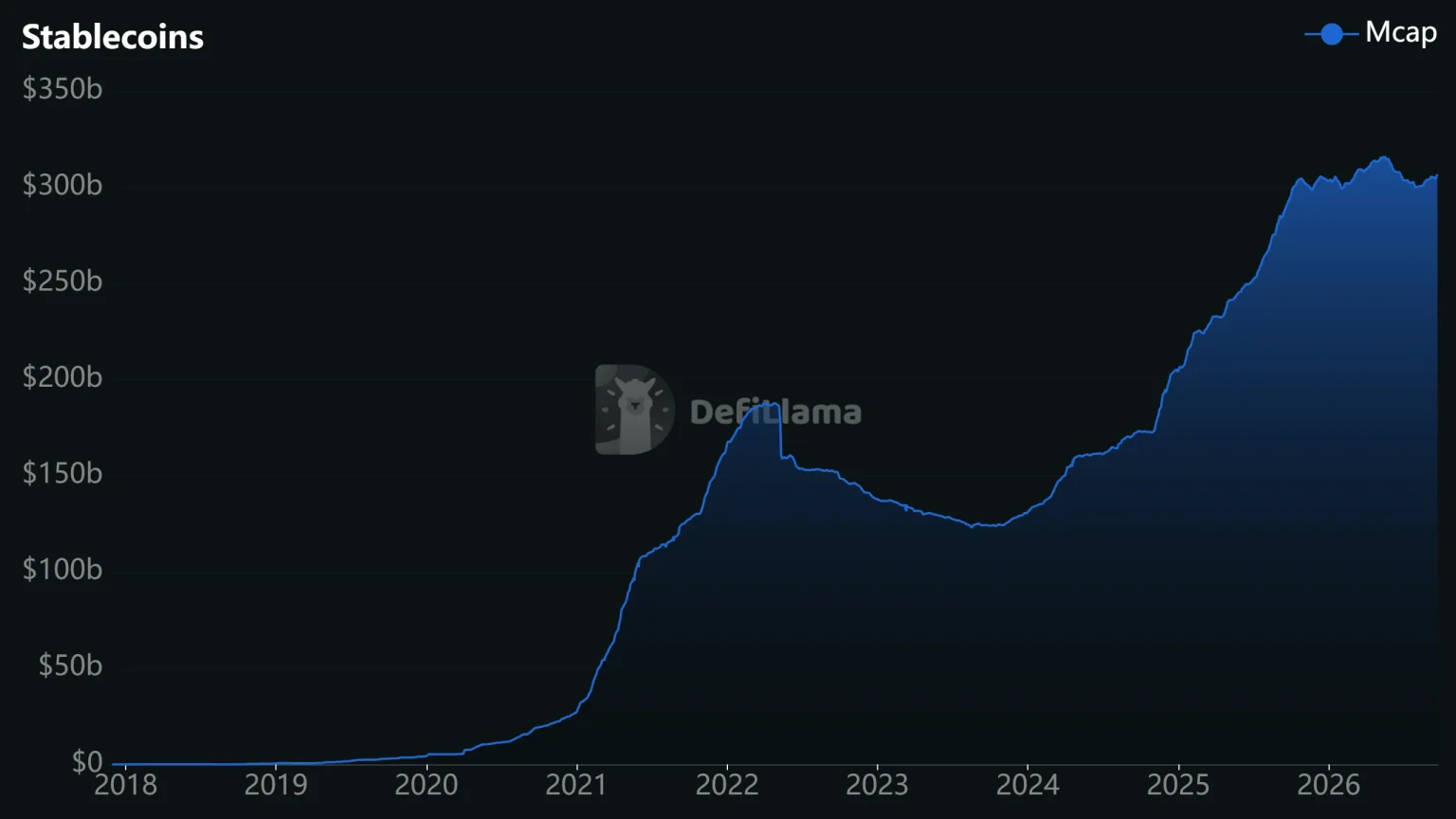
The stablecoin market capitalization, according to DefiLlama, reached approximately $306.5 billion on September 24. The leading place was occupied by USDT issued by Tether (59.83%). USDC from Circle took second place.
Visa Survey Highlights Demand for Payment Security
The US stablecoin policy follows an increase in consumer interest in digital-dollar transactions. On September 23, Visa conducted a study that found that consumer interest increased from 36% to 56%, provided that there was bank-level fraud protection and deposit insurance.
The study interviewed 2,192 adult Americans between February 24 and March 2. It was observed that 64% thought the payment provider was more valuable than the technology itself, while 56% did not know about stablecoins at all.
China and Europe Expand Digital Currency Projects
The US stablecoin policy coincides with the expansion of China’s digital yuan. Unlike privately backed stablecoins, e-CNY is released by the central bank of China. It helps China advance its domestic payments and the global usage of the yuan.
According to the Atlantic Council, total transactions through e-CNY have surpassed $2.3 trillion by the end of 2025. Their value has grown more than 800% compared to 2023. In addition, China has established a new framework in January 2026 enabling interest payments on the digital yuan.
China also actively participates in Project mBridge. According to Atlantic Council data, the total volume of transactions has amounted to $55.49 billion.
At the same time, the e-CNY comprises more than 95% of settlement volume. Project mBridge allows for direct settlement between the involved central banks.
Europe follows an entirely different way of action by introducing a digital euro project. 36 providers have been chosen by the ECB for the pilot to be conducted in the second half of 2027. Possible issuance is planned for 2029 after the required legislation is adopted.
In contrast to China’s digital yuan, the future digital euro will not pay any interest rate. Moreover, there will be restrictions concerning the maximum holding by the ECB to ensure bank funding.
Global Expansion Faces Regulatory Challenges
The US stablecoin policy is still up for debate since governments are employing their own approaches to digital currencies. The supporters see dollar-supported tokens as a means to promote international payments and Treasury usage.
Currently, the mentioned US project does not have an exact launch date. The future of the project will depend on decisions made by the government.
Also Read: Hyperliquid Open Interest Hits $18B Amid Bitcoin Volatility Trading Launch



Be the first to comment