


Ethereum adoption is accelerating, with ETH taking a much bigger role in banks’ crypto exposure, a shift now clearly visible in official banking statistics.
The Basel Committee on Banking Supervision revealed that a fundamental change has happened in how banks in the Americas are dividing up crypto holdings; Bitcoin is no longer the predominant holding with a near-monopoly, trading places with ETH, which played number two to BTC. This signifies an institutional turn away from the one-asset story and toward a diversified infrastructure bet.
What Basel H2 2025 Data Actually Revealed
According to the Basel Committee on Banking Supervision H2 2025 statistics released on September 24, 2026, overall prudential crypto exposures remained flat compared to H1 2025. What changed is the clear signal of Ethereum adoption the composition of holdings in the Americas shifted dramatically.
The shift highlights accelerating Ethereum adoption: Bitcoin’s dominance dropped from 75.8% to 44.2%, while ETH taking a much bigger role in bank crypto exposure surged to 38.5%. Solana accounted for 7.8% and XRP 5.6%. These figures cover direct exposures under Basel capital rules, not client custody, from a rotating sample of global banks.


Source: YouHodler
A clear regional divergence also points to Ethereum adoption: client-related crypto activity in the Americas jumped 93% to €6.4 billion, while Europe fell 25% to €1.9 billion. The Rest of World cohort tilted slightly more toward stablecoins, in line with payments use cases.
Under Basel’s SCO60 framework for prudential treatment (effective January 1, 2026), risk weights are so conservative they cap aggregate bank risk appetite but the mix shift within that cap shows rising Ethereum adoption, as banks increasingly allocate their limited crypto risk capital toward Ethereum.
Also Read: ARK Venture Fund Tokenization: Major Win on Ethereum 2026
Why Ethereum’s Growing Presence Matters
For the industry, ETH is Playing a Much Larger Role in Bank Crypto Holdings because banks are exposed not only to ETH as an asset, but also to the network helping onchain finance. Banks continue to consume smart contracts, ERC-20 stablecoins – including USDT and USDC – tokenized Treasuries from BlackRock and Franklin Templeton, and settlement rails on the Ethereum platform.
ETH functions as gas and staking collateral, meaning usage carries direct balance sheet risk. This evolution of Ethereum adoption impacts more than one constituency. For institutions, diversification eases concentration risk in the regulated industry. For developers and Layer-2 ecosystems, including Arbitrum, Optimism, and Base, bank participation validates the utility of EVM tooling.
Source: Bloomberg
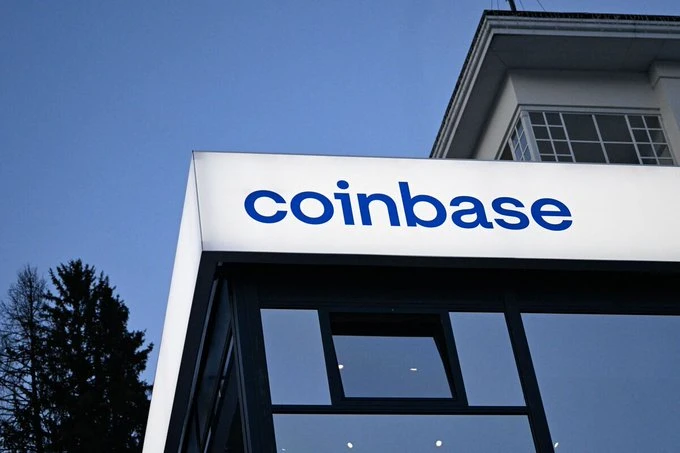
For custodians and crypto infrastructure providers including Coinbase and Fidelity Digital Assets, validation exists for demand for compliant staking and asset tokenization. For regulators, exposures are modest and prudent, indicating capital requirements treat the new asset class fairly while still allowing testing of the model. For Ethereum, the token is establishing itself as a platform for programmable financial infrastructure rather than merely a speculative asset.alternative to bitcoin.
Also Read: Ethereum Price Nears $2,600 Support as ETF Demand Grows
Broader Environment and What Lies Ahead
The trend aligns with 2025-2026 projections and reinforces Ethereum adoption: spot Bitcoin and Ethereum ETFs have grown, tokenized money market funds on Ethereum have expanded, and stablecoin settlement volumes have increased.
While Bitcoin still predominates as a macro hedge, Ethereum’s role as a settlement layer is now recognized within bank risk structures. Competition remains visible, with Solana and XRP capturing an identifiable share. Though challenges persist:

Basel rules continue to attach high risk weights to unbacked cryptoassets, so scale remains constrained and decisions over US stablecoin regulation, the determination of EU implementation of Basel standards and bank tokenized deposit pilots will dictate progress.
If American client activity remains elevated, banks will need more Ethereum-native custody and compliance systems. Overall, these H2 2025 results show that ETH is ‘Taking a Much Bigger Role in Bank Crypto Exposure’ through measured reallocation within tight risk limits a clear marker of Ethereum adoption maturing, where Ethereum is becoming part of the infrastructure banks use to provide stable and regulated exposure, not just a competing asset.
Also Read: Ethereum ZK Privacy Vision 2026: Vitalik Beyond Execution



Be the first to comment