



Ondo tokenization has gained international financial attention after the International Monetary Fund (IMF) examined tokenized financial markets in its October 2026 research. The report identifies Ondo among major tokenization platforms and uses Ondo Stocks in its analysis, highlighting growing interest in round-the-clock trading, collateral mobility and blockchain-based financial infrastructure.
IMF Highlights Ondo as Tokenized Markets Expand
The IMF’s October 2026 tokenization research examines the opportunities and risks of representing traditional financial assets on blockchain networks. Its analysis identifies Ondo among the major platforms in the sector and uses the company stocks to examine how tokenized securities behave outside conventional market hours.
The research indicates that more than 50% of sampled trading occurred outside regular U.S. market hours, highlighting demand for greater trading flexibility.
The IMF also identifies collateral mobility as a potential benefit of tokenization, alongside faster settlement and improved market access. However, it stresses the need to remove unnecessary barriers while preserving financial safeguards. This makes the report relevant to the tokenization platform’s business model, which brings exposure to traditional stocks and exchange-traded funds onto blockchain networks.
Also Read: Citrini Research Backs Crypto Tokenization Projects Including ONDO, AAVE, UNI
Ondo Stocks Expands Access to Traditional Securities
Ondo Finance offers tokenized U.S. stocks and ETFs to eligible non-U.S. investors, with tokens backed by corresponding securities and cash held through U.S. financial institutions.
According to its official platform information, the products support transfers across blockchain networks and can be accessed through wallets, exchanges and decentralized finance applications. Geographic restrictions still apply, including the exclusion of U.S.-based clients from the company stocks.
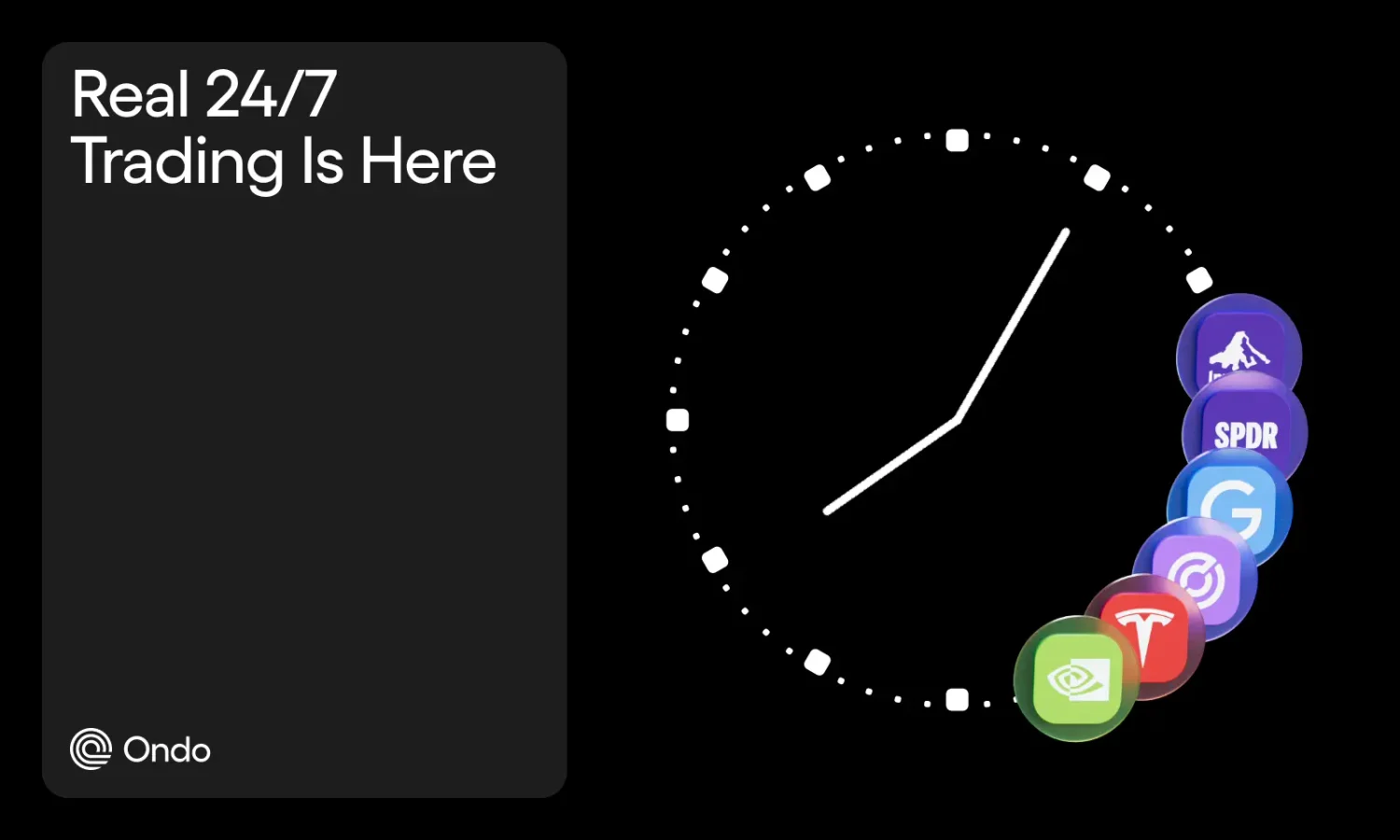
The platform has also expanded its trading infrastructure beyond conventional market hours. In June 2026, the tokenization platform announced 24/7 instant minting and redemption for selected tokenized stocks and ETFs across Ethereum, BNB Chain and Solana.
This development is relevant to the IMF’s findings because it extends access to the underlying tokenized assets beyond the traditional trading schedule, although availability remains subject to specific exceptions.
$1B TVL Milestone Shows Ondo Tokenization Demand
Ondo reported that its tokenized stocks platform surpassed $1 billion in total value locked in May 2026, with more than $18 billion in cumulative trading volume. Its official announcement also said the platform had exceeded 70% market share within the tokenized stocks segment.
These figures suggest that tokenized securities are developing beyond small-scale experiments, although platform-specific metrics do not represent the entire tokenization market.
The expansion into decentralized finance could create additional uses for tokenized securities. In February 2026, the tokenization platform announced that selected tokenized stocks and ETFs, including SPYon and QQQon, had entered Ethereum lending markets through Morpho, with risk management by Gauntlet.
According to the company’s announcement, these assets can serve as collateral for borrowing. Such integrations could make tokenized securities more useful than standalone investment products, while introducing additional collateral and liquidation risks.
Regulatory Safeguards Remain Crucial for Ondo Tokenization
The IMF’s analysis highlights a central challenge for tokenized markets: blockchain infrastructure can improve efficiency, but it does not eliminate the need for investor protection, sound governance and effective supervision. Tokenized securities must still address ownership rights, custody arrangements, settlement reliability and the legal treatment of underlying assets. These issues will influence whether institutions can adopt tokenization at a larger scale.
For the company, the next stage will depend on sustained trading activity, broader distribution and the ability to operate within evolving regulatory frameworks.
The IMF’s recognition of the tokenization platform provides institutional context for the sector, but it does not amount to an endorsement of the platform or its products. Investors will need to distinguish growing adoption of tokenized securities from demand for the tokenization platform, the project’s native governance token, whose market performance depends on separate factors.
Also Read: Ondo Private Markets Opens 24/7 Access to Private Companies



Be the first to comment