


U.S.-Iran War negotiations have reached a key phase as U.S. officials, Iran, and regional mediators discuss a proposed 45-day ceasefire to prevent further tensions. The discussions, viewed as a last attempt to avoid large-scale strikes, come as deadlines approach and military plans remain in place. Mediators from Pakistan, Egypt, and Türkiye are organizing discussions, while direct communication continues between U.S. envoy Steve Witkoff and Iranian Foreign Minister Abbas Araghchi.
US-Iran War Talks Focus on 45-Day Ceasefire Framework
According to an Axios report, the deal includes two phases intended to restore stability to the situation. First, a 45-day ceasefire would pause hostilities and allow broader negotiations to continue. Second, both sides would work toward a permanent settlement addressing Iran’s uranium stockpile and the reopening of the Strait of Hormuz.
U.S. officials confirmed that multiple proposals were presented to Iran in recent days. However, Iranian authorities have not accepted any of the terms so far. Mediators are also looking into interim measures, alongside assurances from the United States that any ceasefire would be upheld.
In addition, the Iranian officials have raised concerns about temporary agreements. They warned against arrangements similar to past ceasefires in Gaza or Lebanon, where fighting resumed after short pauses.
The U.S.-Iran War has also expanded geopolitical divisions. European countries have declined to support U.S. military actions, this includes countries like Spain, France, and Italy. Spain closed its airspace to U.S. aircraft linked to the conflict, while France blocked Israeli planes carrying weapons, according to reports.

Germany also turned down a U.S. request for support, citing a lack of dialogue and disagreement with the tensions strategies. These trends have increased tensions within long-term alliances and raised concerns about cooperation among Western partners.
When Will Strait of Hormuz Open?
The U.S.-Iran War timeline has intensified following Donald Trump’s extended deadline for Iran. Initially set at 10 days, the deadline was extended by 20 hours, with a new cutoff scheduled for Tuesday evening. Trump stated that a deal remains possible but warned of harsh consequences if negotiations fail.
According to a reuters report, ceasefire could result in opening the strait immediately. Though the final settlement in this two phase negotiation may still take 15-20 days.
In recent remarks, Trump indicated that U.S. forces could target Iranian facilities, including power plants and bridges. He linked possible strikes to Iran’s position on reopening the Strait of Hormuz. At the same time, sources confirmed that a joint U.S.-Israeli plan targeting Iran’s energy facilities is prepared if diplomacy collapses.
Crypto Markets Show Early Signs of Recovery
Crude Oil prices moved past $111 as per a latest Coingape report owning to escalations in the Bab el-Mandeb Strait. This strait is responsible for supplying upto 9% of global supply of Oil. Markets opened today green after 3 days following president Trump’s firm warning of major escalation if Iran refuses to end the war.
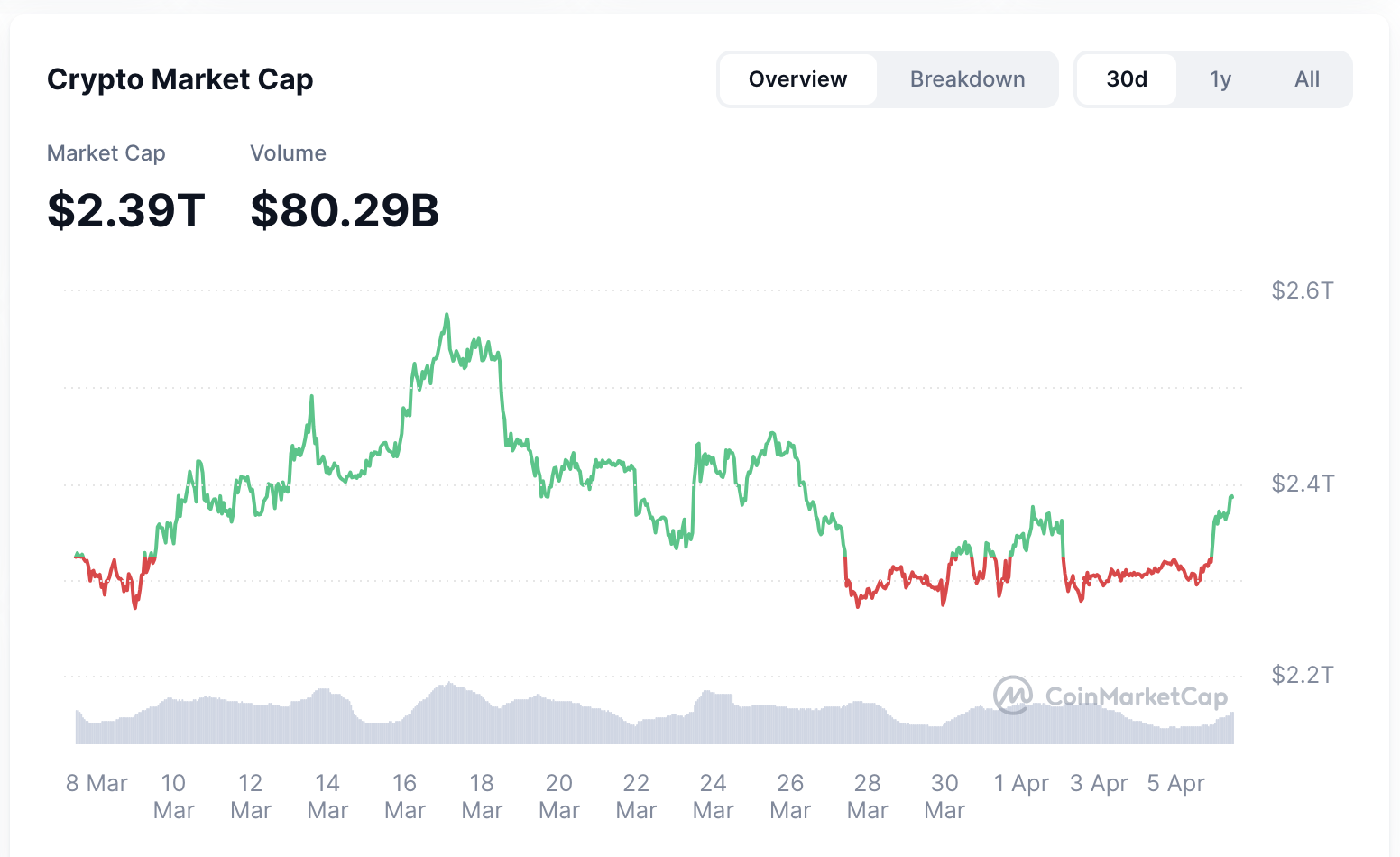

Crypto market recovered significantly, with Bitcoin surging over $70k and is currently at $68,683 up by 3.9% today. Other cryptocurrencies like Ethereum, Solana are also up by 5% and 3% respectively at the time of writing. Total crypto marketcap is also up by 3.4%.



Be the first to comment