



What to know:
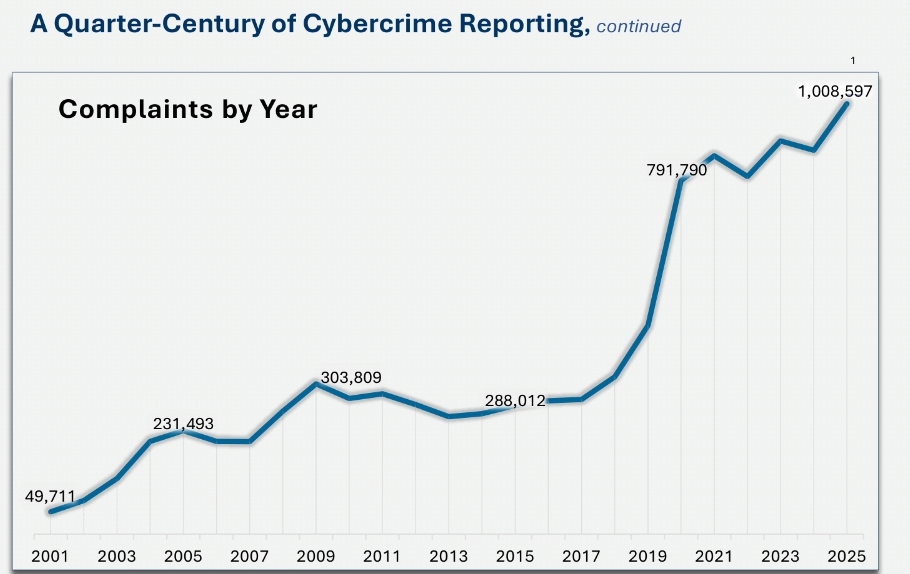
- Cybercrime losses exceeded $20 billion in 2025, with over one million complaints reported globally.
- Investment scams, phishing, and cryptocurrency fraud were among the most damaging and widespread threats.

FBI has recorded that the number of cybercrime losses in 2025 surged to over $20 million. According to the report there were over one million complaints filed during the year, and the total losses reached more than $20 billion. This number marks a sharp increase compared to the previous year, highlighting the growing scale of online fraud.
Source: FBI
The data reveals that older individuals were the most affected group, especially those above 60, who recorded the highest financial losses. While younger people also reported cases, their total losses were significantly lower.

Phishing and spoofing remained the most common types of cybercrime, followed by extortion and investment scams. Other frequent crimes included identity theft, romance scams, and business email compromise.
Source: FBI
Also Read: Report Exposes Crypto Project’s Shocking Links to Scam Network and Political Figures
Investment-related fraud stood out as the most costly, causing billions of dollars in losses. Business email compromise and tech support scams also resulted in major financial damage.
Rising Threat of Financial Fraud According to FBI Report
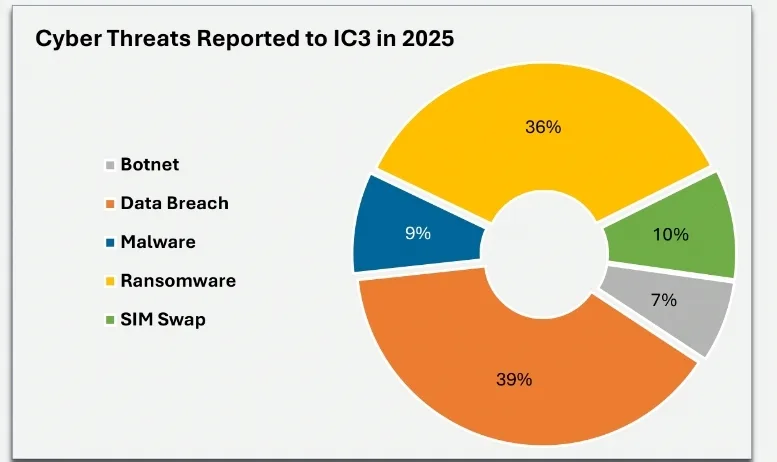
Financially motivated crimes continue to dominate the cybercrime landscape. Cryptocurrency-related scams were widely reported, showing how digital assets are increasingly being used in fraudulent activities. In addition, artificial intelligence is now being used by criminals to make scams more convincing and harder to detect.
The report also highlights a growing number of cases involving data breaches and personal information theft. These crimes often lead to further fraud, including unauthorized transactions and identity misuse.
Overall, the FBI findings show that the number of cybercrime activities globally has significantly increased, advanced, more widespread, and even more expensive, with individuals and businesses facing increasing risks online.
Also Read: Bitcoin (BTC) Analysis: 4 Key Indicators Revealing the Next Big Trend



Be the first to comment