

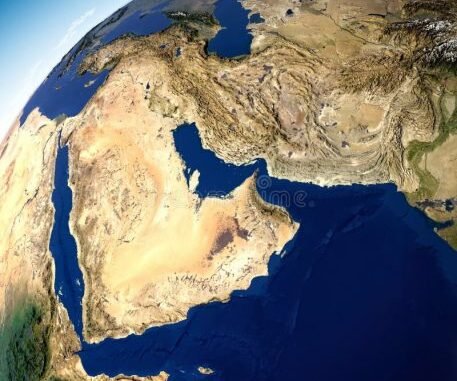

The Gulf War’s aftermath has produced a $58 billion repair bill and a global equipment shortfall, as the US-Iran conflict enters its seventh week following an April 8 ceasefire. The market on whether a Gulf state will take military action against Iran by April 30 has dropped to
Market reaction
The April 8 ceasefire has pulled Gulf state action probabilities lower across timeframes. The April 30 market sits at 6%, while the April 15 market is at just 1% YES. With 14 days to resolution, the term structure between these two contracts shows a steep decline, consistent with traders pricing in continued peace rather than renewed hostilities.
Why it matters
The Strait of Hormuz traffic normalization market has seen reduced optimism. Infrastructure damage and repair estimates stretch up to five years, making normalization by end of April unlikely. The $58 billion repair bill and equipment shortages point to disruption lasting well beyond any ceasefire.
What to watch
Trading volume in the Gulf state action market is modest at $1,454/day in USDC, and it takes only $3,219 to move odds by 5 points. The market is thin enough that a single large trade can swing prices meaningfully, so even minor news could produce outsized price moves.
The direction here is clearly toward de-escalation, which is bad news for anyone holding YES shares. At 6¢, a YES share pays $1 if Gulf states engage militarily by April 30, a
Watch for CENTCOM updates and Gulf state diplomatic moves. Any announcements of peace talks or mediation would likely push odds lower still.
Get prediction market intelligence as a structured API feed. Early access waitlist.



Be the first to comment