


## Market Snapshot
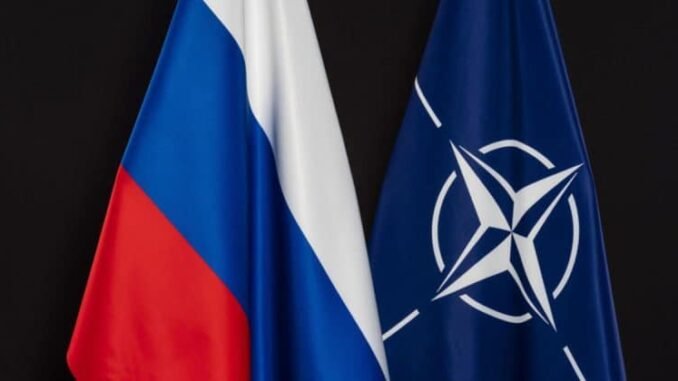
The market for “Will Russia invade a NATO country by June 30, 2026?” is priced at 2.3% YES, down from 3% 24 hours ago. The “NATO x Russia military clash by December 31, 2026?” market shows a 18.5% YES probability, a decrease from 22% the previous day.
## Key Takeaways
– NATO’s commencement of the “Amber Shock 26” war drills appears to heighten geopolitical tensions in Eastern Europe. – Market pricing suggests an increased perception of risk for potential military clashes between NATO and Russia. – The recent war drills may indicate a strategic focus by NATO on deterring possible Russian aggression near its eastern borders.
## Article Body
NATO has initiated the “Amber Shock 26” military exercises in Poland, marking a significant show of force near Russia’s western border. The drills involve 3,500 troops and numerous vehicles and heavy machinery, underscoring NATO’s readiness and integration capabilities. This exercise takes place in the Suwałki Gap, a strategically critical region connecting Poland and Lithuania, amid ongoing tensions following Russia’s invasion of Ukraine in 2022. Concurrently, Russia and Belarus have conducted their own military drills, escalating concerns on NATO’s eastern flank. These developments are part of a broader pattern of military posturing and preparedness among NATO allies in response to perceived threats from Russia.
## Market Interpretation
The impact of NATO’s military drills on prediction markets is perceived as moderate. The exercises are seen as consistent with scenarios where NATO seeks to deter Russian aggression, potentially increasing the likelihood of military tensions. The market response, with decreased odds for a Russian invasion of NATO, may indicate skepticism about imminent conflict but recognition of heightened risks. Markets appear to interpret these developments as supportive of scenarios where military encounters between NATO and Russia could occur, but not necessarily escalate immediately.
## What to Watch
Observers should keep an eye on any diplomatic communications or military movements from both NATO and Russia that could alter the current risk assessment. The upcoming NATO summit and any statements from Russian officials may provide further insights into the strategic intentions of both parties. Additionally, any changes in military deployments or exercises in the region could influence market perceptions and pricing. Developments in the broader geopolitical landscape, particularly regarding NATO’s defensive postures or Russian responses, will be pivotal in shaping future market dynamics.
Get prediction market intelligence as a structured API feed. Early access waitlist.


Be the first to comment