


## Market Snapshot
In the NATO and Russia military clash market, the June 30, 2026 sub-market shows a 4.2% YES pricing, down from 5% 24 hours ago. The December 31, 2026 sub-market indicates a 20.5% YES probability, an increase from 18% over the past day. The Russia NATO invasion market for June 30, 2026 reflects a 1.9% YES probability, slightly down from 2% a day earlier.
## Key Takeaways
– Germany’s assessment appears to raise concerns about NATO’s deterrence capabilities, consistent with scenarios suggesting increased risk of Russia-NATO military conflict. – The potential reduction in US military presence in Europe suggests heightened perceived risks of Russian aggression towards NATO countries. – Market pricing indicates that participants view the situation as supportive of increased likelihood of military escalation between NATO and Russia.

## Article Body
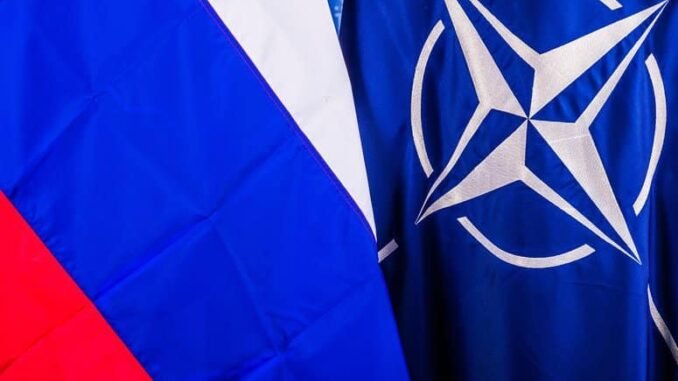
Germany is assessing potential defense gaps in light of the US decision to withdraw troops and cancel planned missile deployments in the country. The move, which involves the withdrawal of 5,000 US troops from Germany and the cancellation of Tomahawk missile deployments, comes amid bilateral tensions over Germany’s criticism of US policies towards Iran. This decision has raised concerns within NATO, as it occurs during ongoing efforts to deter Russian aggression following the invasion of Ukraine in 2022. The reduction in US military presence indicates a possible weakening of NATO’s deterrence strategy, prompting Russia to warn of potential countermeasures and increased risks of escalation.
## Market Interpretation
The developments appear to be consistent with scenarios where the likelihood of a NATO-Russia military clash increases, suggesting a moderate impact on the market. The 4.2% YES pricing for the June sub-market suggests participants see a lower immediate risk, but the 20.5% YES pricing for December indicates increased expectations of conflict later in the year. This reflects ongoing concerns about NATO’s deterrence effectiveness in the absence of a robust US military presence.
## What to Watch
Observers should monitor further announcements from both US and NATO officials regarding military deployments and diplomatic engagements. Additionally, any indications of Russian military movements or statements from Kremlin spokespeople could influence market perceptions of escalation risks. Developments in US-Germany relations and NATO’s strategic responses will be key indicators of future market adjustments.
Get prediction market intelligence as a structured API feed. Early access waitlist.


Be the first to comment