


## Market Snapshot
US-Iran Nuclear Deal by June is currently priced at 22.5% YES, down from 24% 24 hours ago and 34% a week ago. The US-Iran Nuclear Deal by May 31 has decreased to 5% YES, reflecting a sharp drop from 9% a day ago and 18% a week earlier.
## Key Takeaways
– The US’s issuance of ultimatums appears to decrease the likelihood of a US-Iran nuclear deal by June. – Market pricing suggests a reduced probability of a US-Iran nuclear deal by May 31, consistent with Iran’s potential resistance to US demands. – The prospect of a permanent Israel-Iran peace deal appears less likely, as indicated by the decreased YES pricing.

## Article Body
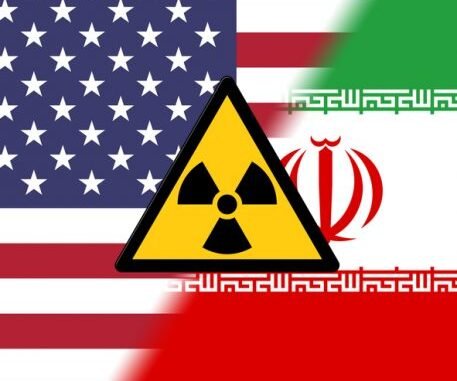
The United States has issued five peace ultimatums to Iran, demanding the transfer of uranium and imposing strict nuclear limits. This move comes amid ongoing tensions between the two nations, with the US maintaining sanctions pressure and Iran advancing its nuclear program beyond JCPOA limits. The US’s firm stance reflects a strategic push for significant concessions from Iran, moving beyond mere de-escalation. The ultimatums are expected to complicate ongoing talks, mediated by Pakistan and Oman, aimed at resolving the nuclear dispute. Iran’s response to these demands will be crucial in determining the future of negotiations and regional stability.
## Market Interpretation
The market reaction to the US’s hardline approach indicates a decreased likelihood of a nuclear deal by both June and May 31 deadlines, with a high impact observed. The firm demands from the US suggest significant concessions are required from Iran, decreasing the probability of reaching an agreement within the specified timeframe. This development appears consistent with scenarios where Iran remains resistant to US demands, thereby impacting the odds of a permanent peace deal with Israel as well.
## What to Watch
Observers should monitor any official statements from Iranian leaders and responses from key international actors such as the IAEA, as well as potential escalations in military activity in the region. The role of mediators, including Pakistan and Oman, could become pivotal if they manage to bridge the gap between US demands and Iran’s stance. Developments in US domestic policy and statements from President Donald Trump will also be key indicators of potential shifts in the diplomatic landscape.
Get prediction market intelligence as a structured API feed. Early access waitlist.



Be the first to comment