

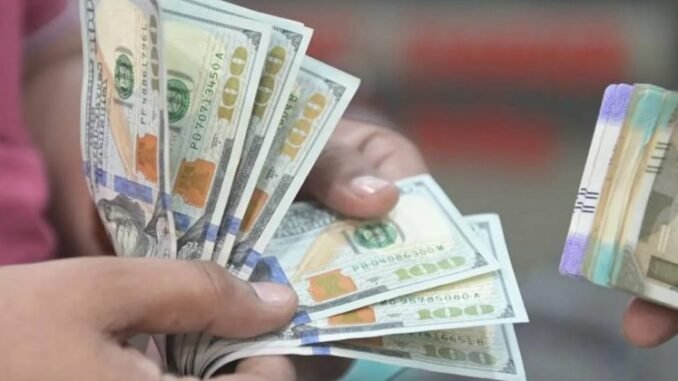

The dollar index sat at approximately 99.325. The euro was trading at $1.1621 while sterling held at $1.3320, neither gaining meaningful ground against the greenback.
Meanwhile, Brent crude futures climbed over 1% to above $110 per barrel. The catalyst: escalating tensions in the Middle East, particularly concerns about potential disruptions to shipping through the Strait of Hormuz. That narrow waterway handles roughly a fifth of the world’s oil supply on any given day.
On the bond side, US Treasury yields pushed higher as prices fell. The 10-year yield rose to around 4.631%, while the 2-year yield reached approximately 4.102%.
CME FedWatch data now shows over a 50% probability of a Fed rate hike by December. Rising energy costs and sticky inflation are rewriting the script that the Fed’s hiking cycle was finished.

Analysts at Barclays have noted that conditions for risk assets and bonds are deteriorating simultaneously. They described the current setup as ripe for continued dollar strength.
What makes the current moment unusual is that the safe haven bid for the dollar is coinciding with a selloff in Treasuries. Normally those two move together. Right now markets are buying dollars while selling bonds, which suggests the inflation narrative is powerful enough to override the typical flight-to-safety playbook for fixed income.
Watch the 10-year Treasury yield closely. At 4.631%, it’s already at levels that have caused stress in previous cycles. The Barclays assessment that conditions are deteriorating for both risk assets and bonds simultaneously is particularly worth monitoring.



Be the first to comment