

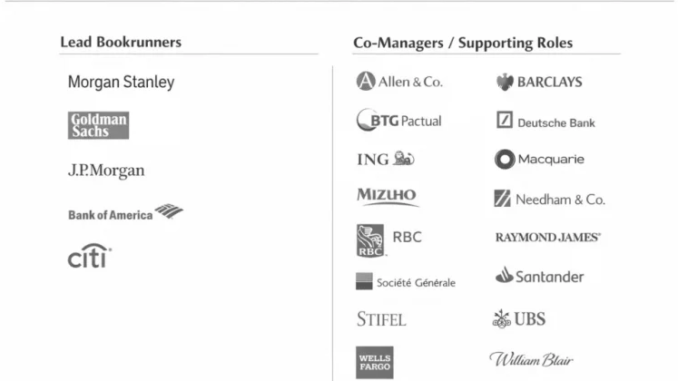

SpaceX, the company that made reusable rockets look routine, is reportedly preparing to file for an initial public offering as early as this week. The targeted listing on the Nasdaq could value the company somewhere between $1.75 trillion and $2 trillion.
The numbers behind the launch pad
Shareholders recently approved a 5-for-1 stock split, designed to lower the per-share price enough to make the stock accessible to a broader pool of buyers.
Secondary market transactions in late 2025 already valued SpaceX at roughly $800 billion. Reports suggest the company is looking to raise between $50 billion and $75 billion through the offering.
The listing is reportedly targeting a June 2026 timeframe, giving the company several months between filing and actually trading on public markets.

Why SpaceX is worth the hype (and the valuation)
The bull case for SpaceX rests on two pillars: Starlink and defense contracts.
Starlink, SpaceX’s satellite internet division, now counts 8 million customers worldwide, beaming internet connectivity from low-Earth orbit to everyone from rural homeowners to Ukrainian soldiers.
SpaceX has secured key contracts with the US Space Force, including work on a missile-interceptor program. The broader space defense market is projected to reach $1 trillion by 2035, and SpaceX is positioned as one of the primary contractors capable of operating at that scale.
What this means for investors and the broader market
A SpaceX IPO at this scale would be a gravitational event for capital markets. An offering raising $50 billion or more would absorb enormous amounts of institutional capital, potentially pulling allocation dollars away from other tech names and growth-stage companies.
SpaceX has no on-chain token, but Elon Musk’s gravitational pull on speculative asset flows is well documented, with memecoins and Musk-adjacent tokens tending to move with him.
There’s also the question of what this signals about Musk’s financial strategy. Taking SpaceX public unlocks liquidity for early investors and employees, but it also subjects the company to quarterly earnings scrutiny and public shareholder pressure. Musk has historically resisted that kind of oversight, which is partly why SpaceX stayed private for over two decades.



Be the first to comment