

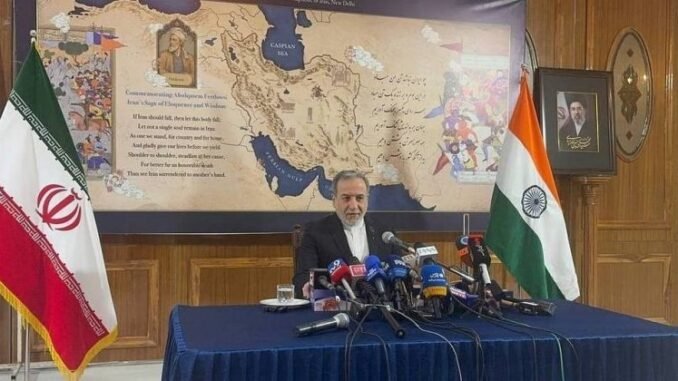

Iran has put forward a revised peace proposal that would see its stockpile of enriched uranium shipped to Russia, bundled together with a ceasefire offer, a commitment to reopen the Strait of Hormuz, and a freeze on its nuclear program.
Recent US-Iran negotiations have stalled badly, with one marathon 21-hour round ending without agreement. Russia stepped back into the frame almost immediately after that breakdown, reasserting its willingness to take custody of Iran’s uranium.
Russia’s role as nuclear middleman
Under the 2015 JCPOA nuclear agreement, a similar framework existed. Iran shipped a significant portion of its enriched uranium out of the country as part of that accord’s terms. The revised proposal essentially revives that playbook, but with Russia playing a more explicitly central role as both custodian and mediator.
Kremlin spokesman Dmitry Peskov and Foreign Minister Sergey Lavrov have both signaled that Russia is prepared to accept the arrangement. Lavrov went further, confirming Russia’s readiness to reprocess Iran’s uranium into fuel-grade material. Critically, he framed this as respecting Iran’s enrichment rights.

Iranian political scientist Ruhollah Modabber argued that transferring uranium to Russia could help Iran secure a more stable peace deal with the US.
The Strait of Hormuz card
Roughly one-fifth of the world’s oil supply passes through the Strait of Hormuz between Iran and the Arabian Peninsula. The US has previously floated the idea of blockading the strait as a pressure tool against Tehran. Russia has publicly criticized that approach, warning it could destabilize international markets. By offering to reopen and guarantee passage through Hormuz as part of the deal, Iran is essentially putting a price tag on global energy stability and asking Washington to pay it in the form of sanctions relief.
Why negotiations keep breaking down
The recent 21-hour negotiation session that produced nothing illustrates the gap between stated positions and actual willingness to compromise. The US wants verifiable, permanent constraints on Iran’s nuclear program. Iran wants sanctions lifted first, or at minimum simultaneously. Russia wants to be indispensable to whatever deal emerges, which serves its broader strategic interest of remaining a power broker in the Middle East.
Modabber’s argument that Russia’s mediator role strengthens Iran’s position has a flip side. If the US views Russia’s involvement as a feature rather than a bug, negotiations could advance. If Washington sees it as handing Moscow undue leverage, the whole framework could be dead on arrival.



Be the first to comment