

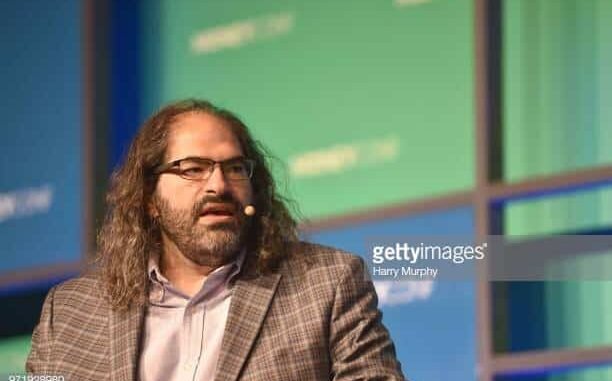

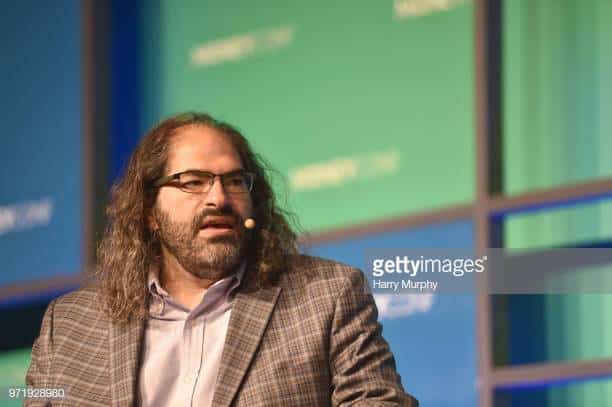
XRP Ledger’s upcoming 3.1.3 upgrade has sparked fresh debate after Ripple CTO Emeritus David Schwartz explained why XRPL sees more events that look like “technical hard forks.”
Summary
- David Schwartz said XRPL has more “technical hard forks” than most established public ledgers.
- XRPL 3.1.3 includes fixCleanup3_1_3 for NFTs, Permissioned Domains, Vaults, and Lending Protocol.
- Nodes that miss the May 27 upgrade deadline may face amendment blocking and service disruption.
The XRP Ledger is moving toward the activation of version 3.1.3, which includes the fixCleanup3_1_3 amendment. The official XRPL release says the amendment contains fixes for NFTs, Permissioned Domains, Vaults, and the Lending Protocol. Due to the nature of the fixes, its default vote was set to yes.
As previously reported by crypto.news, the amendment entered a two-week activation period and is expected to activate on May 27. It also said operators need to upgrade so their nodes can follow the new network rules.
The deadline has raised concern among some community members because older nodes may lose normal access after the amendment activates. That has led to debate about whether the upgrade process should be viewed as routine maintenance or a hard fork risk.
David Schwartz explains XRPL hard forks
Schwartz addressed the debate on X and said XRPL has more events that are “technically hard forks” than many other established public blockchains. He linked that pattern to XRPL’s design and its use of smart transactors.
He also pushed back against a simple “one node one vote” model. Schwartz said, “I don’t think anyone would want a ‘one node one vote’ scheme,” adding that someone could create many nodes to game such a system.
His comments focused on how XRPL handles coordination. In his view, raw node count alone does not decide which chain becomes the main ledger if a split occurs.
XRPL validator split and UNL debate
Schwartz said a validator split does not decide the outcome by itself. He wrote that each side would need enough validators to create a working Unique Node List, or UNL, with validators that agree on a ledger stream.
That point matters because XRPL consensus depends on trusted validator lists rather than mining or staking weight. If two groups follow different rules, each group would also need matching validator lists and code distributions to keep producing ledgers.
The debate does not mean a chain split has occurred. It shows how XRPL’s upgrade model depends on software updates, validator alignment, and users choosing which rules they follow.
XRPL amendment fixes remain the main focus
The current upgrade centers on bug fixes rather than a new market feature. The official XRPL release says fixCleanup3_1_3 covers NFT cleanup, Permissioned Domains, Vaults, and Lending Protocol fixes.
That makes the May 27 deadline important for exchanges, infrastructure firms, validators, and projects using XRPL services. Nodes that do not upgrade may fall out of step with the active network rules.



Be the first to comment