

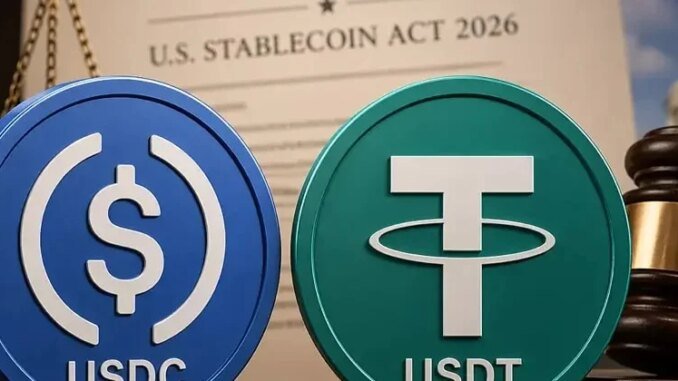

Holding the safest assets in the world doesn’t automatically make you safe. That’s the uncomfortable takeaway from recent analysis by the Bank for International Settlements, which warns that Tether and Circle could face a severe liquidity crunch during a market panic, even with their reserves parked overwhelmingly in US Treasury bills.
The core problem isn’t asset quality. It’s redemption speed. If enough stablecoin holders rush for the exits at once, even a portfolio stuffed with T-bills might not liquidate fast enough to meet the demand.
Two companies, one chokepoint
Tether and Circle together control nearly 90% of the global stablecoin market, according to the European Central Bank. Tether became the seventh-largest purchaser of US Treasuries in 2024, with $33.1B in net buys over the year. If both issuers needed to dump significant portions of those holdings simultaneously, the selling pressure could ripple through money markets in ways that affect far more than crypto.
Better reserves, same fundamental problem
In October 2022, Tether eliminated commercial paper from its reserves entirely, shifting to a portfolio dominated by Treasury bills. Circle, issuer of USDC, has long maintained a more transparent reserve structure, with regular attestations and a reserve mix heavily weighted toward short-duration government securities.

The BIS analysis suggests that might not be enough. Traditional money market funds face similar dynamics, which is why they’re subject to extensive regulation including liquidity fees, redemption gates, and mandatory liquidity buffers. Stablecoin issuers currently operate without most of those guardrails, at least in most jurisdictions.
Why central banks are paying attention
The ECB has noted the systemic relevance of major stablecoin issuers to broader money-market conditions. The Federal Reserve has raised a complementary concern: that a migration of retail deposits from traditional banks into stablecoins could create new liquidity risks for the banking sector itself. If consumers park savings in USDT or USDC instead of bank accounts, those deposits no longer fund bank lending. The stablecoin issuer buys T-bills instead. The bank loses a funding source.
With two entities controlling roughly nine out of every ten stablecoin dollars, there’s no meaningful diversification within the stablecoin ecosystem itself. Regulatory momentum is building in the US and Europe to impose bank-like requirements on stablecoin issuers, including reserve standards, audit requirements, and potentially redemption controls.



Be the first to comment