



TLDR
- OpenAI CEO Sam Altman says AI has not eliminated as many entry-level white-collar jobs as he expected
- Altman admitted he was “pretty wrong” on the social and economic impact of AI since ChatGPT’s 2022 launch
- He tested AI for replying to Slack and emails but returned to handling some messages himself
- Altman believes the “human part” of work cannot be fully replaced by AI
- OpenAI is reportedly preparing a confidential IPO filing targeting a $1 trillion valuation
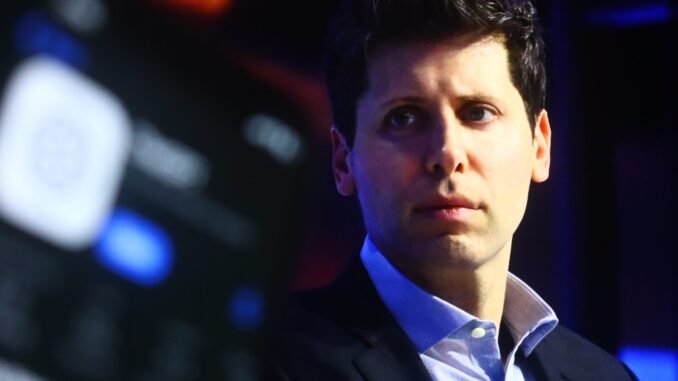
OpenAI CEO Sam Altman said on Tuesday that the rapid growth of artificial intelligence has not led to the wave of job losses he once predicted, particularly for entry-level white-collar workers.
Altman spoke virtually at a conference hosted by Commonwealth Bank of Australia in Sydney, where he was interviewed by CBA Chief Executive Matt Comyn.
Altman Admits He Was Wrong on Jobs
Altman said OpenAI’s executives had been “roughly right” on their technology predictions since launching ChatGPT in 2022. But he said they were “pretty wrong” on the social and economic side.
“I’m delighted to be wrong about this,” Altman said. “I thought there would have been more impact on entry-level white-collar jobs being eliminated by now than has actually happened.”
He acknowledged that his earlier warnings had contributed to widespread fear about AI and employment. “People are like ‘oh you could have saved the world a lot of fear mongering,’” he said, adding that he still felt it was a risk worth raising at the time.
Altman did not share specific job loss figures during the interview. He has previously spoken about the possibility of industry-wide workforce reductions driven by AI advances.
Some major companies have already begun replacing or reshaping roles using AI. HSBC, Amazon, Standard Chartered, and Commonwealth Bank of Australia have all announced changes to staffing linked to automation.
The Human Side of Work Still Matters
Altman said his thinking shifted after a personal experiment with AI tools. He used AI to reply to Slack and email messages, with responses labeled “this is Sam’s AI.”
The experience made him reconsider how much people value direct human interaction. “We really do care about our interactions with people,” he said. “This is not something that I can imagine myself outsourcing to an AI anytime soon.”
That experiment, he said, helped him understand why AI has not replaced as many jobs as expected. Many roles still require a level of human connection that AI cannot replicate.

“It really updated me to thinking that the jobs picture is likely to be very different than we thought,” Altman said.
He added: “I don’t think we’re going to have the kind of jobs apocalypse that some of the companies in our space advocate or talk about.”
OpenAI IPO on the Horizon
Separately, Reuters reported last week that OpenAI is preparing to confidentially file for a U.S. initial public offering in the coming weeks.
The company is said to be targeting a valuation of $1 trillion and looking to raise at least $60 billion, according to an October Reuters report.
Altman did not address the IPO plans during Tuesday’s conference appearance.
🚨 Our MAY Stock Picks Are Live!
A new month means new opportunities. Our analysts have just released their top stock picks for May, highlighting companies with strong momentum that rank highly on our KO Score algorithm. We’re also now sharing trade ideas for both long-term and short-term investors, giving you more ways to spot potential opportunities in the market.
Sign up to Knockout Stocks today and get 50% off to unlock the full list and see which stocks made the cut.
Use coupon code Special50 for your exclusive discount!



Be the first to comment