



In brief
- Lenovo gained 109% in May 2026—its biggest monthly rally since 1999.
- The announcement happens after Q4 revenue hit a record $21.6 billion, up 27% year-on-year, with net profit surging 479% to $521 million.
- AI-related revenue grew 84% year-on-year to make up 38% of Lenovo’s total quarterly sales, driven by its Infrastructure Solutions Group, which posted record quarterly revenue of $5.6 billion.
Lenovo’s stock surged as much as 31% on Friday and has now gained 109% in May—its best monthly performance since 1999.
Shares of the world’s largest PC maker have more than doubled this month, making it the top performer on the Hang Seng Index year-to-date, up 159%.
The rally wasn’t random. Lenovo’s Q4 earnings showed quarterly revenue of $21.6 billion—up 27% year-on-year and the fastest quarterly growth rate in five years. Net profit hit $521 million, up 479% from $90 million a year earlier. When a company Lenovo’s size nearly sextuples its quarterly profit, it forces the market to rethink its price targets entirely.

The engine behind it is the Infrastructure Solutions Group, or ISG—Lenovo’s division that builds AI-optimized servers, storage systems, and data center products for large enterprise clients and cloud providers like Amazon, Microsoft, and Google. ISG posted record quarterly revenue of $5.6 billion, up 37% year-on-year, and crossed $19.2 billion for the full fiscal year.
Across the whole company, AI-related revenue grew 84% year-on-year and now accounts for 38% of Lenovo’s total quarterly sales. More than one dollar in three that Lenovo earns today traces back to AI. Goldman Sachs more than doubled its price target on Lenovo following the results.
Then came Dell. On Thursday, Dell Technologies reported Q1 FY2027 revenue of $43.84 billion, up 88% year-on-year, and raised its full-year AI server revenue guidance to $60 billion. Dell’s AI server backlog now stands at $51.3 billion. Investors read those numbers, looked at Lenovo, and bought.
“AI server growth is obviously a driver, with demand now spreading from hyperscalers to enterprise for AI inferencing demand, which benefits conventional server OEMs like Lenovo and Dell,” Bloomberg Intelligence analyst Steven Tseng said.
That shift from hyperscalers—the Amazons and Googles—to regular enterprise companies is the key development here. For two years, the AI infrastructure buildout was concentrated around Nvidia chips and a handful of specialized players. Lenovo and Dell are the companies that assemble the racks, qualify the hardware configurations, and ship compute-ready systems to businesses that want AI without building it from scratch.
Lenovo is also still running its PC business well. The Intelligent Devices Group posted $14.6 billion in Q4 revenue, up 24% year-on-year, with Lenovo holding a 24.4% global PC market share—the widest lead over its nearest rival in 15 years. The AI PC wave is contributing. But server infrastructure is what moved the needle on the stock.
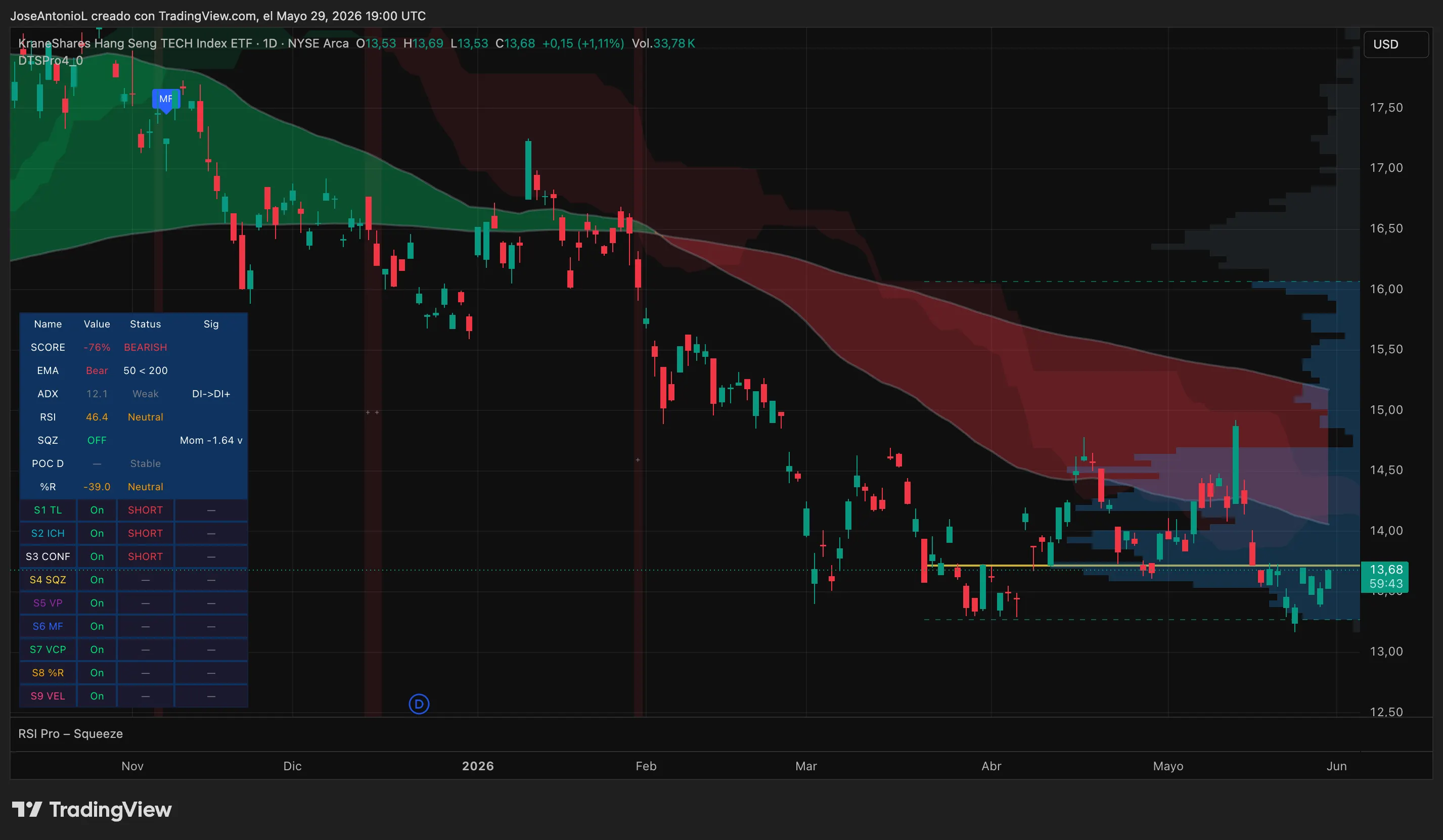
The contrast with the rest of Hong Kong tech makes the rally sharper. The Hang Seng Tech Index has fallen more than 15% this year, weighed down by internet platforms bleeding margins on AI hardware spending. Lenovo is in the opposite position—selling the infrastructure, not buying it.
CEO Yuanqing Yang called FY2026 the best year in Lenovo’s 40-year history and set a target of $100 billion in annual revenue within two years. Full-year revenue came in at $83.1 billion, up 20%—the first time the company has crossed the $80 billion mark.
ISG enters FY2027 with an AI server pipeline exceeding $21 billion in committed demand, though how fast Lenovo can ship against it depends on securing GPU allocations from Nvidia, which remains the primary supply constraint across the entire server industry.
Daily Debrief Newsletter
Start every day with the top news stories right now, plus original features, a podcast, videos and more.



Be the first to comment