



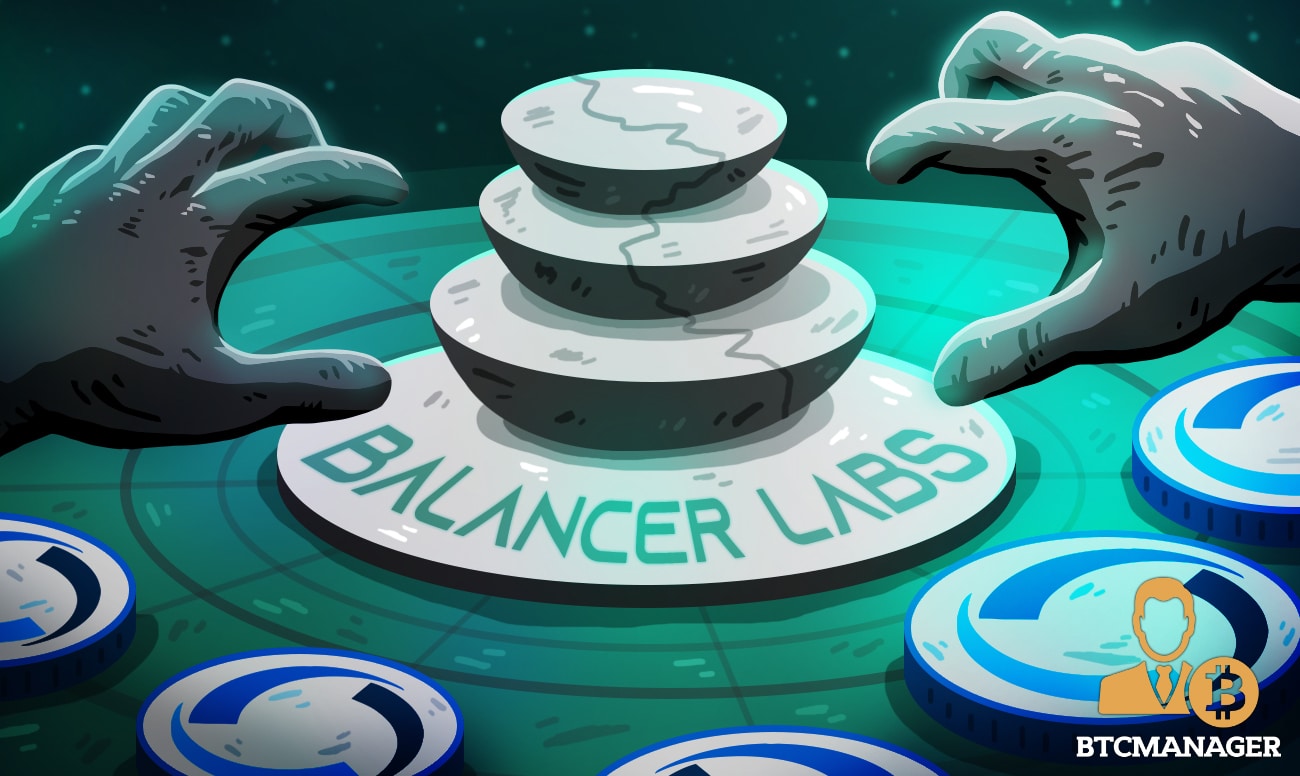
Balancer Labs is preparing to shut down as the team behind the DeFi protocol moves to cut costs after months of financial strain. The plan would leave the protocol running under a leaner structure led by the Balancer Foundation and the DAO while the corporate entity winds down.
Summary
- Balancer Labs will shut down as the protocol shifts toward DAO and foundation management.
- The November hack and falling TVL increased financial pressure across the Balancer ecosystem.
- Executives want lower costs, zero BAL emissions, and more revenue flowing to the DAO.
Balancer co-founder Fernando Martinelli said he had decided to wind down Balancer Labs after reviewing the project’s position. He said the company had become a “liability rather than an asset to the protocol” and linked that decision to legal exposure tied to the November 2025 exploit.

Balancer Labs chief executive Marcus Hardt also said the business was spending too much to attract liquidity compared with the revenue the protocol was generating. He said that approach came with dilution for BAL token holders and could not continue in its current form.
Balancer was one of the better-known DeFi protocols during the 2020 and 2021 market cycle. Its total value locked reached about $3.3 billion in November 2021 before falling sharply over the following years.
The pressure increased after the November 2025 exploit, which reports said totaled more than $100 million. Balancer’s TVL had already dropped to about $800 million by October 2025, then fell by another $500 million in thetwo weeks after the hack. Recent reporting placed the protocol’s TVL near $158 million.
Furthermore, Hardt and Martinelli said they want the Balancer Foundation and the DAO to guide the protocol from here. Their plan calls for a lean continuation model with lower operating costs and fewer people involved in day-to-day work.
Martinelli also backed changes to tokenomics and treasury flow. Those include cutting BAL emissions to zero and adjusting fees so the DAO can keep more of the revenue generated by the protocol. DAO members have been asked to vote on proposals tied to the restructuring and BAL token design.
Protocol revenue remains part of the case
Even with the current pressure, Martinelli said Balancer is still producing revenue. He said the protocol brought in more than $1 million over the past three months and described it as a working system weighed down by weak economics and a heavy cost base.
That position now forms the core of the restructuring push. The protocol is expected to continue operating, but under a smaller and less expensive setup built around the DAO and foundation rather than Balancer Labs.



Be the first to comment