

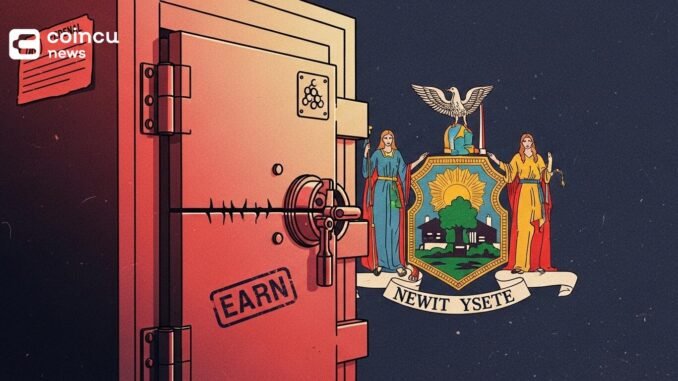

Gemini class action over IPO disclosures: allegations and status now
A proposed Gemini class action alleges investors were misled by IPO-related disclosures and “secret transformations.” The filing targets Gemini and the Winklevoss brothers, with claims unproven at this stage.
The lawsuit is distinct from government enforcement tied to Gemini Earn. Outcomes and timelines may diverge from SEC charges and the New York Attorney General’s case, and the class action’s status remains pending based on court proceedings.
Why Gemini Earn and SEC charges frame the case
Gemini Earn, a lending program run with Genesis Global Capital, sits at the center of disclosure and risk debates. The program’s marketing, liquidity management, and counterparty concentration are pivotal to how courts and regulators assess investor protections.
According to the U.S. Securities and Exchange Commission (https://business.cch.com/srd/20260128-SECgov_SECChargesGenesisandGeminifortheUnregisteredOfferandSaleofCryptoAssetSecuritiesthroughtheGeminiEarnLendingProgram.pdf), the agency filed January 2023 SEC charges against Gemini and Genesis for offering unregistered securities through Gemini Earn and alleged customers lacked disclosures typical of registered offerings; it also cites a November 2022 withdrawal freeze affecting about $900 million across roughly 340,000 participants. “It’s not optional. It’s the law,” said Gary Gensler, the agency’s chair.

For investors, the class action concerns IPO-era statements and different remedies than public enforcement. Any recovery depends on litigation results; allegations remain contested and judicial schedules can change.
Restitution for Earn participants may arise through regulatory settlements administered separately from private litigation. Private claims, including the class action, proceed on independent tracks and are not determined by enforcement outcomes.
Key allegations tied to Genesis exposure and disclosures
Undisclosed Genesis risks, internal downgrades, and alleged ‘secret transformations’
according to New York Attorney General Letitia James (https://ag.ny.gov/press-release/2024/attorney-general-james-recovers-50-million-crypto-firm-gemini-defrauded), a revised February 2024 complaint sought more than $3 billion and alleged Gemini failed to disclose material Genesis risks, including an internal downgrade from BBB to CCC in early 2022. The filing states Gemini’s board discussed ending Earn in summer 2022, with one member invoking a Lehman Brothers–style collapse scenario and noting exposure that included Alameda. In June 2024, the same office settled with Gemini for roughly $50 million in restitution to more than 230,000 Earn users and barred crypto lending in New York. “Gemini marketed its Earn program as a way for investors to grow their money, but actually lied and locked investors out of their accounts,” said James.
How Earn marketing, unregistered securities claims, and investor harm intersect
Marketing that emphasizes yield without robust counterparty and liquidity disclosures can conflict with securities rules if the product is deemed an offer and sale requiring registration. When withdrawals were halted, alleged disclosure gaps translated into concrete investor harm.
FAQ about Gemini class action
What did regulators (SEC and New York Attorney General) allege about Gemini Earn and disclosures to investors?
They alleged Gemini Earn was an unregistered securities offering and investors lacked standard risk disclosures, including counterparty and liquidity exposure tied to Genesis.
How does the New York AG’s settlement impact Earn investors and does it affect separate class action claims?
It provides restitution to Earn users and bars Gemini lending in New York; it does not resolve or preclude separate class action claims over IPO-era disclosures.
| DISCLAIMER: The information on this website is provided as general market commentary and does not constitute investment advice. We encourage you to do your own research before investing. |


Be the first to comment