


What to know:
- Russia expands crypto payment system into Africa amid rising global sanctions pressure
- A7 targets African markets using stablecoins to enable alternative cross-border payments
- Limited transparency raises concerns despite Africa’s growing crypto adoption and transaction volumes
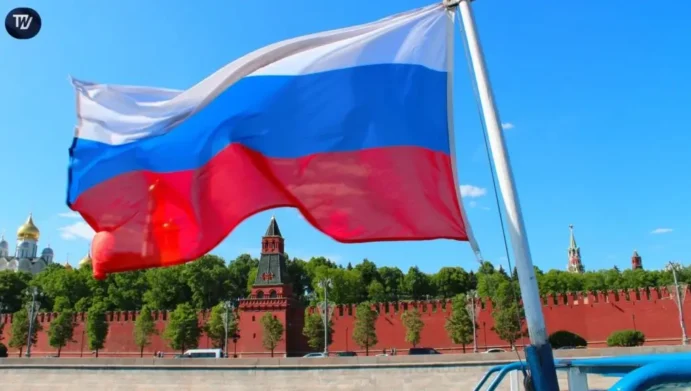
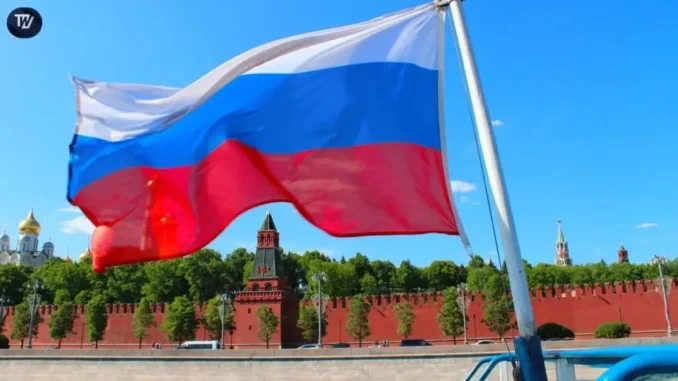
A Russian crypto payment system has expanded into Africa as of April 2026 amid Western sanctions pressure. The system, known as A7, has reportedly opened offices in Nigeria and Zimbabwe.
The expansion follows Russia’s removal from the SWIFT network after the Ukraine conflict.
It reflects a growing shift toward alternative cross-border payment systems outside traditional finance.
A7 uses the cryptocurrency model, which would allow users to make international payments without having to use banks. There are many people and companies who continue to believe that this technology will help create new ways to make cross-border payments.

According to a report from the Financial Times, A7 was created in 2024 by Ilan Șor and Promsvyazbank. Both entities have had sanctions placed upon them by Western authorities. These sanctions raise red flags concerning the operations of the Russian crypto payment system.
Russian Crypto Payment System Targets Africa for Expansion
Africa is being targeted by A7 as part of their plans for international growth. A7 announced that it has opened an office in Lagos, Nigeria, and also stated that it had begun operations in Zimbabwe.

However, most local crypto participants were unable to confirm that A7 is actively operating at the moment. The lack of confirmation causes some concern regarding whether or not A7 is actually making progress within the region.
A7 allows users to send and receive money utilizing a variety of tools, including stablecoins and promissory notes. A7 says it has processed approximately 19% of all foreign trade transactions conducted by Russia.
However, these numbers have yet to be verified by anyone investigating the matter. In addition, the number of cryptocurrency transactions completed in Africa reached $100 billion in 2025 alone, according to a Chainalysis study.
This figure demonstrates just how important and relevant Africa is becoming when it comes to virtual currencies and other forms of digital finance.
Also Read | Russian Broker Aleksandr Khinkis Allegedly Laundered $4.7M for Ransomware Groups
African Crypto Payment Systems Expansion Gains Attention
African crypto payment systems continue to gain attention from those looking to implement alternative methods of settling cross-border transactions. Many African countries currently experience difficulties associated with their banking infrastructures.
Therefore, many countries are turning towards blockchain-based payment platforms that offer fast cross-border transaction capabilities. As a result, many organizations are now attempting to capitalize on this opportunity.
Sanctions Drive Alternative Payment Systems
Since Western sanctions against Russia were implemented, the country has continued to develop alternative payment systems that do not rely on the U.S. dollar. This push is reflective of Russia’s attempts to circumvent current global financial restrictions. The rise of cross-border crypto payments reflects efforts to bypass global financial restrictions.
A7 claims it provides uninterrupted payments for its trade partners through non-traditional payment rails. Russian officials have continually stressed the need for national currency settlements in global trade.
Foreign Minister Sergey Lavrov stated that 84% of all trade between Russia and Africa utilized rubles in 2025. Russia’s efforts to settle global trade in rubles demonstrate increasing attempts to eliminate reliance on traditional financial infrastructure.
While alternative payment systems may ultimately gain traction worldwide, they will likely be subject to review under global regulatory frameworks (including anti-money laundering laws). Furthermore, if these systems are affiliated with politically-exposed individuals (PEPs), additional complexities may arise.
Market Outlook and Implications
While Africa appears to be a high-growth region for cross-border crypto payments and adoption, A7’s expansion strategies pose competition to existing blockchain solutions. Regulatory clarity and consumer trust will ultimately dictate the longevity and success of viable platforms.
Platforms associated with sanctioned entities will likely encounter obstacles related to accessing global markets. The Russian crypto payment system represents a larger trend toward decentralization in global financial options. However, several challenges lie ahead for scalability and compliance.
Increasingly strained geopolitical relationships will potentially lead to even more countries developing alternative financial systems. If this occurs, increased fragmentation among global payment systems becomes more likely.
Why It Matters
Crypto is creating new avenues for making international payments under the constraints of geopolitics, as evidenced by A7 expanding into Africa.
Also Read | Onchain Perp DEX Volumes Plummet for Five Straight Months After October 2025 Peak


Be the first to comment