



What to know:
- For the first time, law enforcement has formalized rules for handling seized privacy-focused crypto assets.
- Over the past five years, billions of won in virtual assets have been seized, highlighting the urgent need for centralized and stronger oversight of digital crime assets
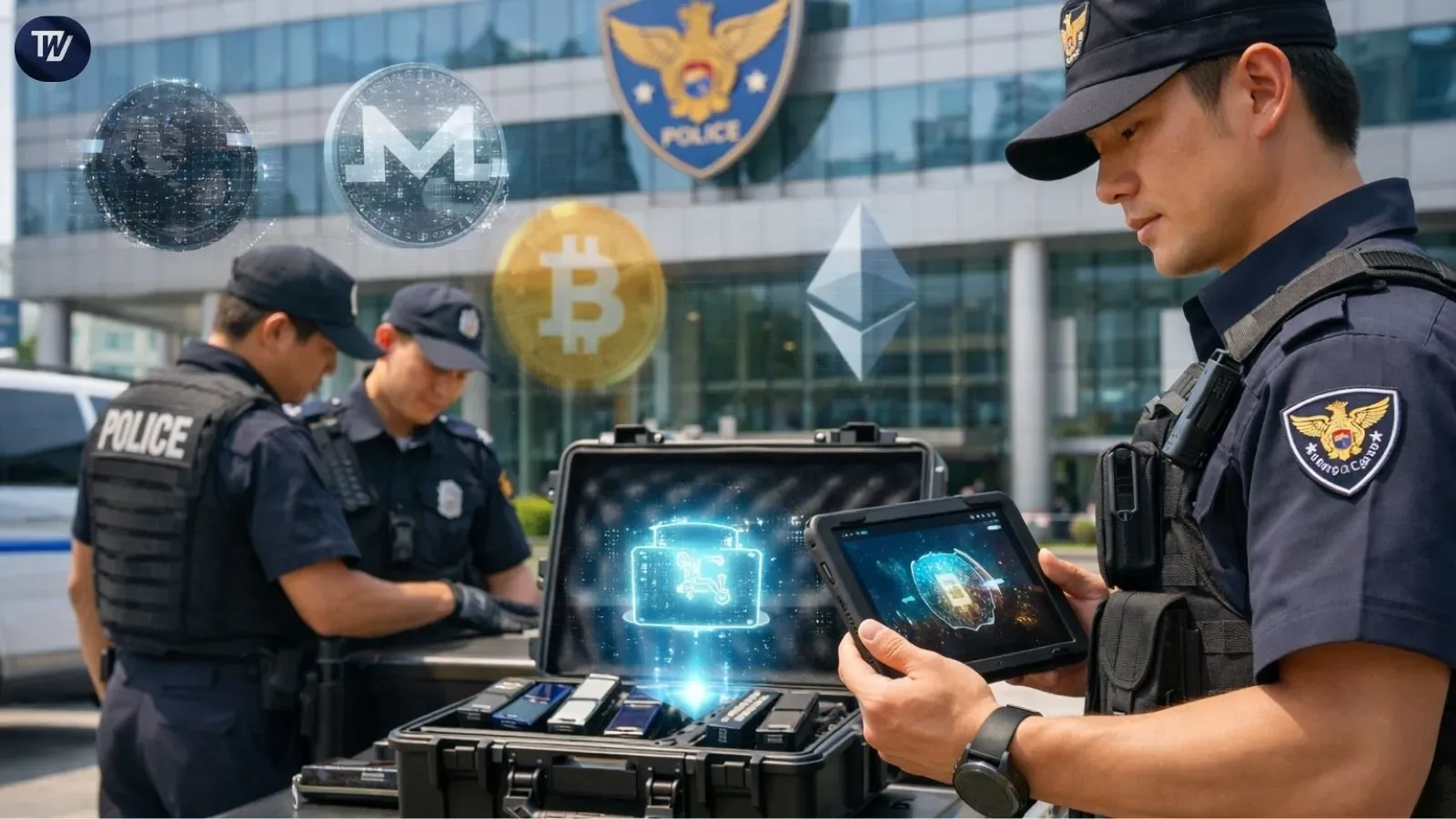

Police in South Korea have created their first formal rules for handling crypto assets linked to crime.
The new guidelines focus on how the law enforcement agencies should seize, store, and manage so-called “dark coins.” These are digital assets designed to hide transaction details and are often used to carry out illegal activities.
According to the Korean National Police Agency, the rules are part of a broader effort to fix the issues that have constantly come up regarding the management of confiscated crypto assets.

In the past, authorities relied on hardware wallets, but these tools have over time shown that they are always suitable for privacy-focused coins.

Korean National Police Building, Source: Wikimedia
According to the authorities, the dark coins differ from the normal crypto assets like Bitcoin and Ethereum because their transaction histories are hidden.
This makes it harder for investigators to trace the funds, especially when it involves cases related to cybercrime, money laundering, and illegal online activities.
Also Read: South Korea Introduces Tax Reform By Tracking Crypto Profits Ahead of 2027
One well-known example tied to such technology is the Nth Room case, where encrypted platforms and anonymous payments were used to distribute illegal content. These cases have pushed authorities to rethink how they handle digital evidence.

Mastermind in Nth Case, Source: Chicago Tribune
Unlike the traditional crypto asset storage, dark coins often require software-based wallets, also known as hot wallets. These wallets store private keys as digital files rather than on physical devices, which increases the risk of hacking or loss if it is not properly managed.
Over the past five years, the police have seized virtual assets worth billions of won, most of it in Bitcoin and Ethereum. However, officials believe the true amount is higher, as some suspects have refused to reveal their wallet access details.
The Authorities’ Shift in Handling Crypto Assets
The new rules show a shift in how crime-based investigations are carried out. In the past, seized crypto assets were physical items stored in warehouses, but now officers must manage digital keys, wallet addresses, and also the increase in cybersecurity risks. Such a system would help ensure there is stronger security, better oversight, and seized crypto asset.
Also Read: Ethereum Spot ETF Inflows Hit 5-Day Streak Near $2,200 Price



Be the first to comment