



What to know:
- The U.S. Securities and Exchange Commission has introduced a clearer system for classifying crypto assets.
- The new guidance highlights how reliance on the Howey test and enforcement actions in the past may have slowed innovation in the crypto industry.


The U.S. SEC has introduced new guidance on how crypto assets are treated under the federal law.
The agency has just released a new document that is aimed at explaining how existing securities laws apply to different types of crypto assets.
This move is meant to bring clarity after years of uncertainty and criticism about how regulators handled the fast-growing crypto market.

For more than a decade, the agency has relied on the “Howey test” to decide whether a crypto asset should be treated as a security. However, the agency did not create specific rules that are designed for crypto and focused on enforcement actions, which many critics have said slowed innovation.
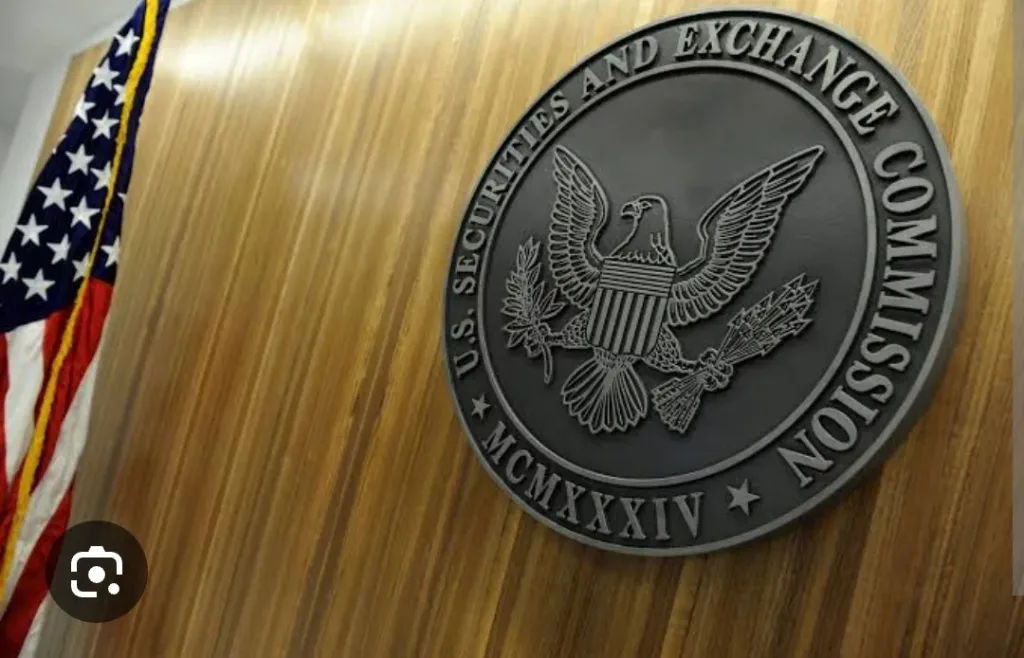
Source: Reuters
Now, the agency is trying to change that approach by offering clearer definitions and guidance. The new interpretation also aligns with efforts by lawmakers to build a more structured legal framework for the crypto industry.
The New Classification System The SEC Introduced
The authorities has grouped crypto assets into different categories based on how they work and what they are used for. These categories help determine whether an asset is considered a security or not.
Also Read: Bitcoin Depot Hit With U.S. Crackdown Over Compliance Failures
Digital assets are not under the new law because their value comes from the crypto market and not market demand or promises by a central team. Digital collectibles, such as NFTs linked to art or media, are also not considered to be under the new Law because they are mainly used for ownership or enjoyment.

Source: SEC
Digital tools, like tokens used as tickets, memberships, or identity badges, are also excluded from the securities classification. In addition, certain stablecoins defined under the GENIUS Act are also not treated as securities.
Tokenized assets on the other hand, are treated as securities because they represent traditional financial assets like stocks or bonds on the blockchain networks.
When Makes a Crypto Asset Under the New Rule
The agency explained that a crypto asset can become bound under the new law depending on how it is offered to buyers. If people invest money into a project with the expectation of profit based on the efforts of a team, it may be considered an investment contract under the Howey test.
The agency also clarified that this status is not permanent. A crypto asset may stop being treated as a security if the promises made by its creators are fulfilled or no longer relevant.
Also Read: RENDER at the Crossroads: Is $2.16 the Gateway to a New Bull Cycle?



Be the first to comment