

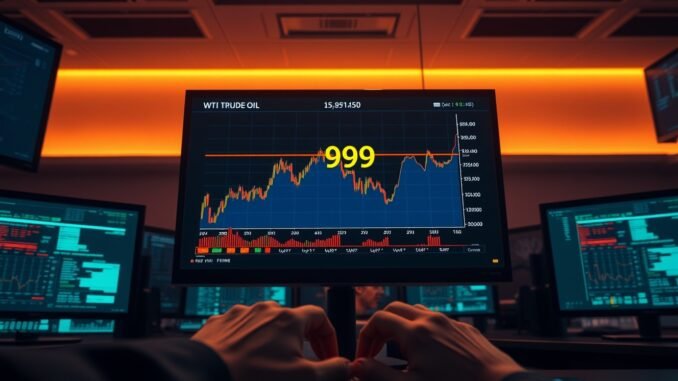

Global energy markets witnessed a significant shift as West Texas Intermediate crude oil futures fell sharply to near $99.50 per barrel in early trading. This notable decline, observed in New York on Tuesday, reflects a rapid reassessment of geopolitical risk premiums by traders and analysts. Market participants are responding to emerging diplomatic signals that could ease tensions in key oil-producing regions. Consequently, the immediate pressure on global crude supplies appears to be moderating. This price movement represents one of the most substantial single-session drops in recent months. It underscores the profound sensitivity of commodity markets to geopolitical developments.
WTI Price Movement and Immediate Market Drivers
The descent of WTI crude to the $99.50 level marks a pivotal moment for the benchmark. For context, prices had been testing higher resistance levels above $102 just days prior. The primary catalyst for this correction stems from renewed hopes for diplomatic de-escalation. Specifically, statements from involved parties have fostered a market perception that supply disruptions may be less severe than previously feared. This sentiment directly impacts the “risk premium” baked into oil prices. Furthermore, traders are closely monitoring inventory data from the American Petroleum Institute. The market is also weighing the potential for increased output from other producers to fill any gaps.
Several technical and fundamental factors converged to accelerate the sell-off. Firstly, the market had become overbought following a prolonged period of anxiety-driven buying. Secondly, algorithmic trading models likely triggered sell orders once key support levels were breached. The price action demonstrates how quickly sentiment can shift in modern electronic markets. Analysts note that trading volumes were exceptionally high during the decline. This indicates broad participation from institutional funds, not just speculative retail traders.
| Benchmark | Price (USD/barrel) | Daily Change | Key Support Level |
|---|---|---|---|
| WTI Crude (Front Month) | ~99.50 | -2.8% | 98.00 |
| Brent Crude | ~103.20 | -2.5% | 102.00 |
| Natural Gas (Henry Hub) | ~4.85 | -1.2% | 4.70 |
Geopolitical Context and Supply Fear Dynamics
Understanding this price drop requires examining the geopolitical landscape that had previously supported higher prices. Recent months saw escalating tensions that threatened transit routes and production facilities. The market had priced in a significant probability of disrupted shipments. However, the latest diplomatic communications suggest a potential pathway to reduce hostilities. This development does not guarantee a permanent solution, but it lowers the immediate probability of a supply shock. Energy strategists emphasize that the global oil market remains finely balanced. Therefore, even small changes in perceived risk cause large price swings.

The concept of a “geopolitical risk premium” is crucial here. This premium represents the additional cost buyers are willing to pay for fear of future shortages. When fears subside, this premium evaporates rapidly, as seen in the current sell-off. Key factors influencing this premium include:
- Shipping Lane Security: Threats to major maritime chokepoints like the Strait of Hormuz.
- Production Facility Stability: Risks to infrastructure in volatile regions.
- Sanctions Enforcement: Potential for stricter embargoes on oil exports from certain nations.
- Strategic Reserve Releases: Coordinated action by consuming nations to increase supply.
Expert Analysis on Market Sentiment
Senior energy analysts from major financial institutions provide critical context. “The market is trading on headlines and hope, not yet on tangible changes in physical supply,” noted a lead commodities strategist at a global bank. “While the diplomatic tone has improved, we have not seen a single extra barrel hit the water. This is a sentiment-driven correction.” This perspective highlights the disconnect between paper markets and physical logistics. Another analyst pointed to positioning data from the Commodity Futures Trading Commission. The data showed that managed money accounts held near-record net-long positions in crude futures. This crowded trade made the market vulnerable to a rapid unwind on any positive news.
Broader Impacts on Global Energy Markets
The decline in WTI creates ripple effects across the entire energy complex. Firstly, lower crude input costs provide relief for refining margins, albeit with a lag. Secondly, gasoline and diesel futures also fell in sympathy, which could eventually translate to lower pump prices. However, the crack spread—the difference between crude oil and refined products—may widen if demand for fuels remains robust. Natural gas prices, often correlated during periods of energy scarcity, showed a more muted reaction. This suggests the sell-off is largely crude-specific rather than a broad energy downturn.
For national economies, the implications are significant. Oil-importing nations stand to benefit from a lower import bill, potentially easing inflationary pressures. Conversely, oil-exporting nations may see reduced fiscal revenues if the price decline is sustained. Central bankers worldwide monitor oil prices as a key input into inflation models. A sustained drop could influence monetary policy decisions in the coming quarters. Furthermore, corporate planning for airlines, shipping companies, and manufacturers becomes more complex in such a volatile environment.
Historical Comparisons and Price Trajectory
Placing the current move in a historical context is instructive. Similar rapid declines have occurred during past geopolitical de-escalations. For instance, prices fell sharply in 2019 after tensions in the Middle East briefly spiked and then cooled. The speed of the current decline, however, is amplified by digital trading and algorithmic strategies. Looking ahead, the key question is whether this marks a lasting trend or a temporary dip. Technical analysts identify the $98.00 level as critical support for WTI. A break below that could target the $95.00 region. Conversely, a rebound above $101.50 would signal that bullish sentiment is returning.
Fundamentally, the market’s direction will be determined by hard data. Weekly inventory reports, OPEC+ production compliance figures, and global demand indicators will regain focus. The diplomatic situation remains fluid, and any reversal in tone could see the risk premium return swiftly. Market participants are advised to monitor several data points:
- Weekly U.S. crude oil stockpiles and refinery utilization rates.
- OPEC+ monthly market reports and production quotas.
- Global economic indicators pointing to industrial demand.
- Shipping tracking data for volumes moving through key corridors.
Conclusion
The drop in WTI crude oil to near $99.50 serves as a powerful reminder of the market’s sensitivity to geopolitical developments. While hopes for reduced tensions have temporarily eased supply fears, the underlying physical market remains tight. This price action demonstrates the evaporation of a risk premium built on uncertainty. Moving forward, traders will scrutinize both diplomatic progress and tangible supply data. The trajectory of the WTI crude oil price will continue to be a crucial barometer for global economic stability and inflationary trends. The coming weeks will reveal whether this decline is a sustained correction or merely a pause in a longer-term bullish trend.
FAQs
Q1: What caused the sudden drop in WTI crude oil prices?
The primary driver was a shift in market sentiment due to emerging hopes for diplomatic de-escalation in a key geopolitical region. This reduced the immediate fear of supply disruptions, leading traders to sell off the “risk premium” that had been supporting higher prices.
Q2: What is a ‘risk premium’ in oil markets?
A risk premium is the additional amount buyers are willing to pay for a commodity due to the perceived threat of future supply shortages or disruptions. It is not based on current physical supply but on expectations of potential future scarcity.
Q3: How does the price of WTI affect gasoline prices?
WTI is a major benchmark for crude oil, which is the primary raw material for gasoline. Generally, lower crude oil prices lead to lower costs for refiners, which can eventually translate into lower prices at the pump, though the relationship is influenced by refining margins, taxes, and distribution costs.
Q4: Could the price of oil fall further?
Yes, if diplomatic progress continues and tangible increases in supply materialize, prices could test lower support levels. However, the market remains vulnerable to any negative news that revives supply fears, which could cause a rapid price rebound.
Q5: What should investors watch to gauge the next move in oil prices?
Key indicators include weekly inventory reports from the EIA and API, production data from OPEC+ members, global demand forecasts from agencies like the IEA, and ongoing geopolitical developments that could affect production or shipping.
Disclaimer: The information provided is not trading advice, Bitcoinworld.co.in holds no liability for any investments made based on the information provided on this page. We strongly recommend independent research and/or consultation with a qualified professional before making any investment decisions.



Be the first to comment