


International money transfers can involve bank fees, currency conversion costs, intermediary banks, and delays. Crypto remittance platforms offer another way to move money across borders using cryptocurrencies and blockchain networks.
Some platforms send crypto directly to another person’s wallet. Others use crypto in the background and deliver the recipient’s money in local currency through a bank account or other payment method.
This difference matters. A recipient who already uses crypto may prefer a wallet-to-wallet transfer, while someone who simply needs cash may find a crypto-to-fiat service more practical.
Here are seven crypto remittance platforms to consider for international transfers.

1. Strike
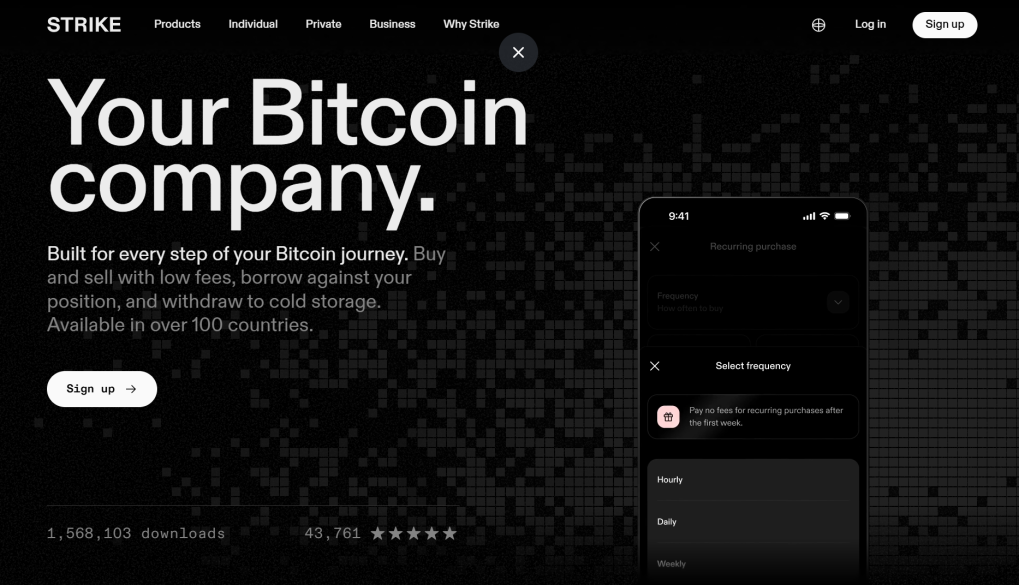
Strike lets users send money internationally while allowing recipients to receive local currency. Its global money transfer feature uses Bitcoin’s Lightning Network behind the scenes. The sender adds the recipient’s account details and sends cash from their Strike balance.
The cash is converted into Bitcoin, transferred through the Lightning Network, and converted back into local currency by a third-party partner in the destination country. Neither the sender nor recipient needs to hold Bitcoin for the transaction.
Strike currently lists countries including the Philippines, Mexico, Nigeria, Kenya, Ghana, Colombia, Vietnam, and others as receiving destinations. Limits vary by country.
Strike says it does not charge a separate transaction fee for its ‘Send Globally’ feature. Instead, the exchange rate shown to the user includes a margin applied by Strike and its partners.
2. Binance Pay

Binance Pay lets users send cryptocurrency to friends and family worldwide. Supported assets include Bitcoin, Ethereum, BNB, and stablecoins such as USDT and USDC. Users can send funds using a QR code, payment link, email address, phone number, or Binance ID.
For people who are already using Binance, this can be a simple way to send crypto internationally without making a separate blockchain withdrawal to an external wallet.
Binance also has a ‘Money Transfer’ service that converts crypto or fiat balances into local currency for bank transfers.
However, availability is currently limited by market. Binance’s current documentation lists Mexico as a supported destination for this service, with the recipient receiving Mexican pesos.
Fees depend on the type of transfer and region. Binance displays applicable fees and exchange rates before the transaction is confirmed.
3. Bitso

Bitso is a crypto platform with a strong presence in Latin America. It supports crypto transfers and local-currency services in markets where it operates.
Its Bitso Transfer feature lets users send supported currencies or digital assets to another Bitso user via email address, phone number, or QR code. Bitso says these transfers are instant and free. If the recipient does not yet have an account, they can register through the link they receive and claim the funds.
Bitso also supports blockchain transfers to external wallets. Users can choose a supported asset and network and send it to another wallet or exchange. Once a blockchain transaction has been submitted, it cannot be canceled or reversed.
For larger cross-border payment use cases, Bitso Business provides stablecoin-based payment infrastructure. Bitso says its business platform processed more than $6.5 billion in US-Mexico remittances in 2024, representing more than 10% of the corridor’s total remittance volume.
4. PEXX
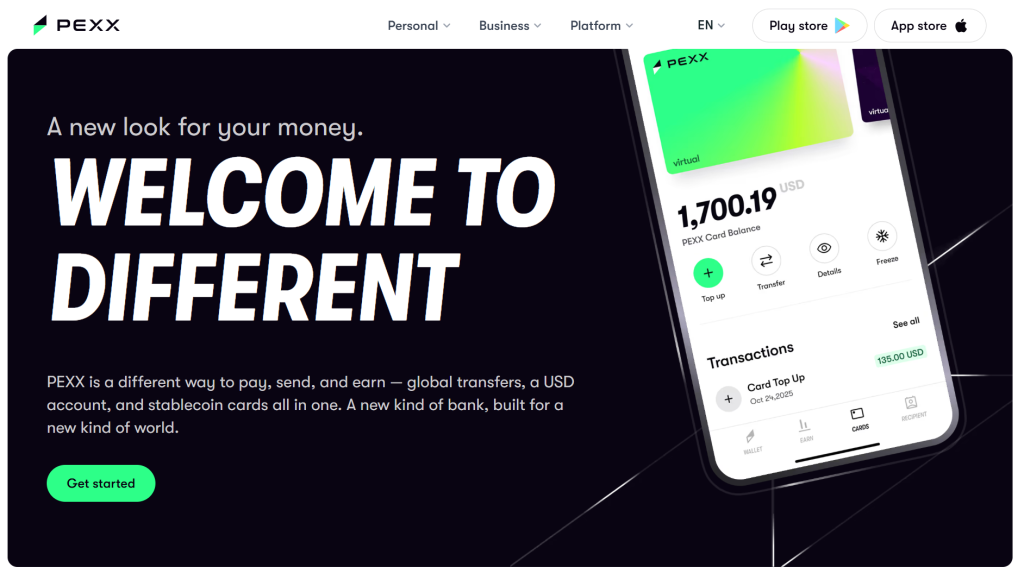
PEXX focuses on converting digital assets into traditional bank payments. Users can deposit USD, USDT, or USDC, select the destination country and currency, and enter the recipient’s bank details.
It then converts the funds and sends the payout in local currency. The recipient does not need a PEXX account to receive a bank transfer.
The platform currently supports destinations including the Philippines, India, Vietnam, Indonesia, Malaysia, Singapore, China, and other markets. Its current platform documentation lists more than 30 live payout corridors, while its consumer help center describes support across 55+ countries and 16+ major currencies.
PEXX says many transfers arrive within minutes, although actual delivery depends on the recipient’s bank and compliance checks.
5. BitPay Send

BitPay Send is different from most platforms on this list because it is primarily designed for businesses rather than ordinary person-to-person remittances.
Businesses can fund payouts with fiat and have BitPay convert the funds into cryptocurrency before sending them to recipients’ wallets. BitPay says its payout infrastructure supports more than 225 countries.
The service supports international payroll, contractor payments, affiliate payouts, customer cash-outs, and other business payments. Supported payout assets include Bitcoin, Ethereum, Litecoin, Dogecoin, USDC, and other cryptocurrencies, although the available assets can vary.
This makes BitPay more relevant for businesses paying workers, contractors, or customers internationally than for someone sending a one-time family remittance.
6. Coins.ph

Coins.ph is a Philippine digital wallet and crypto platform that supports cryptocurrency and Philippine peso transactions.
For international remittances, users can receive crypto or stablecoins and convert them into Philippine pesos. Coins.ph supports cashing out PHP to supported Philippine banks and e-wallets, giving recipients a way to receive local currency instead of keeping the funds in crypto.
The platform supports assets including USDT and other cryptocurrencies and provides PHP conversion and local payment services. Availability of specific assets, networks, and withdrawal methods can vary.
Coins.ph is particularly relevant for remittances to the Philippines because recipients can use familiar local payment methods instead of managing an external crypto wallet.
7. Coinbase
Coinbase allows users to send supported cryptocurrencies to external wallets or other Coinbase users. There are two main transfer types. On-chain transfers send assets to an external blockchain address and can involve network fees.
Off-chain transfers between Coinbase users can be sent using a phone number, email address, or username. Coinbase says these off-chain transfers are instant and have no transaction fee.
USDC can be useful for international transfers because it is designed to maintain a value close to the US dollar. However, the recipient still needs a compatible wallet, exchange, or cash-out option to convert it into local currency.
Coinbase also warns users to select the correct blockchain network. Sending an asset through an unsupported network can permanently lose funds.
What to Compare Before Choosing a Crypto Remittance Platform
Transaction fees are only one part of the cost. Compare the total amount that the recipient receives.
Total Transfer Cost
Check:
- Platform fees
- Blockchain network fees
- Foreign-exchange spreads
- Deposit fees
- Withdrawal fees
- Local payout fees
A service advertising zero transaction fees can still have costs built into its exchange rate.
Exchange Rate
The exchange rate can have a larger effect than the transfer fee, especially for larger remittances. Before confirming a transaction, check how much the recipient will receive in their local currency.
Payout Method
Check whether the recipient can receive funds through:
- Bank account
- Mobile money
- Debit card
- E-wallet
- Crypto wallet
A crypto-to-crypto service may not be useful if the recipient needs local currency immediately.
Supported Countries
Crypto services do not have the same international coverage. A platform may accept customers in one country but have limited receiving options in another. Country availability can also change because of regulations and payment partnerships.
Stablecoin Support
Stablecoins such as USDC and USDT are commonly used for cross-border payments because their value is designed to track a fiat currency. However, stablecoins still involve issuer, platform, network, and regulatory risks.
Transfer Limits
Check the minimum and maximum transfer amounts before sending.
Limits can depend on:
- Country
- Verification level
- Payment method
- Recipient
- Account history
Recipient Requirements
Some platforms require both people to use the same service. Others can send directly to a bank account or external wallet. This can make a major difference in how easy the transfer is for the recipient.
Are Crypto Remittances Cheaper Than Traditional Transfers?
They can be, but the answer depends on the specific transfer corridor. Blockchain networks can move digital assets without relying entirely on correspondent banking networks. Stablecoins can also be transferred across borders before being converted into local currency.
However, users should compare the total transfer cost, including the exchange rate and local payout costs.
A crypto transfer with a low network fee can still be expensive if the platform applies a large exchange-rate spread. A service with a visible transfer fee may sometimes provide a better overall exchange rate.
The most useful comparison is:
Amount sent − total fees and conversion costs = amount received
What to Know About Crypto Remittance Risks
Crypto remittances have several risks that users should understand before sending money.
Irreversible Transactions
Blockchain transfers generally cannot be reversed after confirmation. Coinbase warns that it cannot recover crypto sent to an incorrect address or unsupported network.
Wrong Network
USDC, USDT, and other assets can operate on multiple blockchains. Sending through the wrong network can result in lost funds.
Stablecoin Risks
Stablecoins are designed to track fiat currencies but remain dependent on their issuers, reserves, infrastructure, and regulatory environment.
Account Restrictions
Remittance and crypto platforms may require identity verification and additional information before processing certain transactions.
Country Restrictions
A platform’s services can differ depending on the sender’s and recipient’s countries. For a new wallet or unfamiliar recipient address, consider sending a small test amount first.
Choosing a Crypto Remittance Service
Crypto remittances are becoming more connected to traditional financial services, with stablecoins and blockchain networks supporting transfers through bank accounts, mobile-money systems, and local payment networks. These options can make international transfers more accessible, but their features and requirements can vary widely.
Before sending money, compare the total cost, exchange rate, transfer speed, supported countries, payout method, and recipient requirements. Checking these details in advance can help avoid unexpected fees, delays, or failed transactions.
Frequently Asked Questions
These common questions cover how crypto remittances work, which assets you can use, delivery times, wallet requirements, and country availability.
What Is a Crypto Remittance Platform?
A crypto remittance platform uses cryptocurrency or blockchain networks to help transfer money between countries. Some services send crypto directly to another wallet, while others use crypto behind the scenes and deliver local currency to the recipient.
Can I Send Money Internationally With USDT?
Yes. USDT can be transferred between compatible wallets and exchanges across borders. Some platforms also convert USDT into local currency and deposit it into a recipient’s bank account.
Before sending, make sure the receiving platform supports the exact USDT network you intend to use.
Is USDC Good for International Remittances?
USDC can be useful for international transfers because it is designed to maintain a value close to the US dollar. It can also be transferred across several blockchain networks.
However, users should still consider network fees, conversion costs, cash-out options, and USDC availability in the recipient’s country.
Does the Recipient Need a Crypto Wallet?
Not always. Platforms such as Strike can send local currency to supported bank accounts, debit cards, or mobile-money accounts. PEXX can also send local currency to supported bank accounts without requiring the recipient to have a PEXX account.
Other services, including standard Coinbase withdrawals, generally require the recipient to have a compatible crypto wallet or exchange account.
How Long Do Crypto Remittances Take?
The blockchain portion of a transfer can settle quickly, but the total delivery time depends on the platform, blockchain network, compliance checks, and payout method. Some services can complete transfers within seconds or minutes, while bank transfers may take longer.
Are Crypto Remittances Available in Every Country?
No. Availability depends on local regulations, licensing requirements, banking relationships, and payment infrastructure. Check both the sending and receiving countries before initiating a transfer.




Be the first to comment