



WRITTEN BY
Crypto investor and blockchain researcher

Bitcoin fell below $65,000 after a brief recovery failed to attract enough buyers. On July 28, 2026, BTC traded near $63,000, down roughly 3.5% over 24 hours after reaching a low close to $62,700. There was no single confirmed trigger. Instead, weaker ETF demand, caution before the Federal Reserve meeting, falling global technology stocks, and liquidations all added pressure. These overlapping factors explain why Bitcoin is falling, although they do not mean that a recovery above $65,000 is impossible.
How Far Did Bitcoin Fall and What Happened?
Bitcoin started the latest 24-hour period near $65,200 and briefly reached about $65,550. The recovery did not last. BTC slipped below $65,000 on July 27 and continued falling toward $63,000, where buyers started slowing the decline.
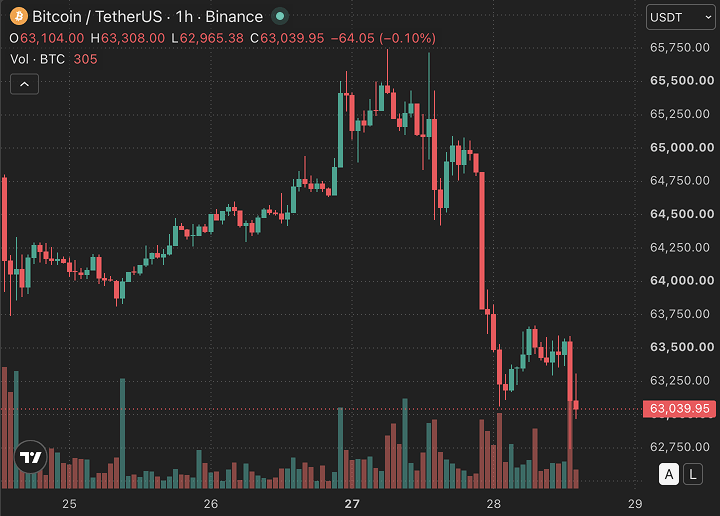
CoinGecko, July 28, 2026
Bitcoin is currently trading near $63,000, down approximately 3.5%, with a low around $62,700. Trading activity increased. Bitcoin’s 24-hour volume reached about $25.2 billion, while the total cryptocurrency market fell nearly 3% to approximately $2.25 trillion. Higher volume during a decline usually means that traders are actively selling and adjusting positions rather than simply waiting for the market to settle.
Why Is Bitcoin Price Falling?
Bitcoin is falling because several negative pressures appeared at the same time. Institutional demand weakened, the recovery above $65,000 failed, and investors became more careful before the Federal Reserve’s latest policy decision. A stronger dollar and weakness in global technology stocks also reduced demand for volatile investments.
None of those developments can fully explain the decline alone. Bitcoin initially benefited from easing tensions between the United States and Iran, but buyers could not push the price beyond roughly $65,500. At the same time, spot Bitcoin ETFs continued to record withdrawals instead of providing fresh demand.
Once BTC moved below $65,000, stop-loss orders and liquidations added more selling. Therefore, the best answer to why BTC is dropping is not one dramatic event. The decline appears to have come from weaker demand, cautious sentiment and automated selling reinforcing each other.
Market Sentiment and Risk-Off Environment
Investors became more cautious as Monday’s short recovery lost momentum. Some traders took profits, while others reduced their exposure before the Fed meeting and important US economic reports.
The weakness extended beyond cryptocurrency. Reuters reported that global stocks fell to a one-month low as technology shares came under pressure. South Korea’s KOSPI suffered an especially sharp decline.
Bitcoin did not simply follow stocks, but both markets reflected lower appetite for risk. When crypto is falling during such periods, fewer investors are willing to buy volatile assets, while existing holders may sell to protect cash.
Bitcoin ETF Flows and Institutional Activity
The latest complete US spot Bitcoin ETF data covered July 27. According to Farside Investors, the funds recorded $11.6 million in net outflows. More importantly, investors had already withdrawn a combined $465.2 million on July 23 and 24.
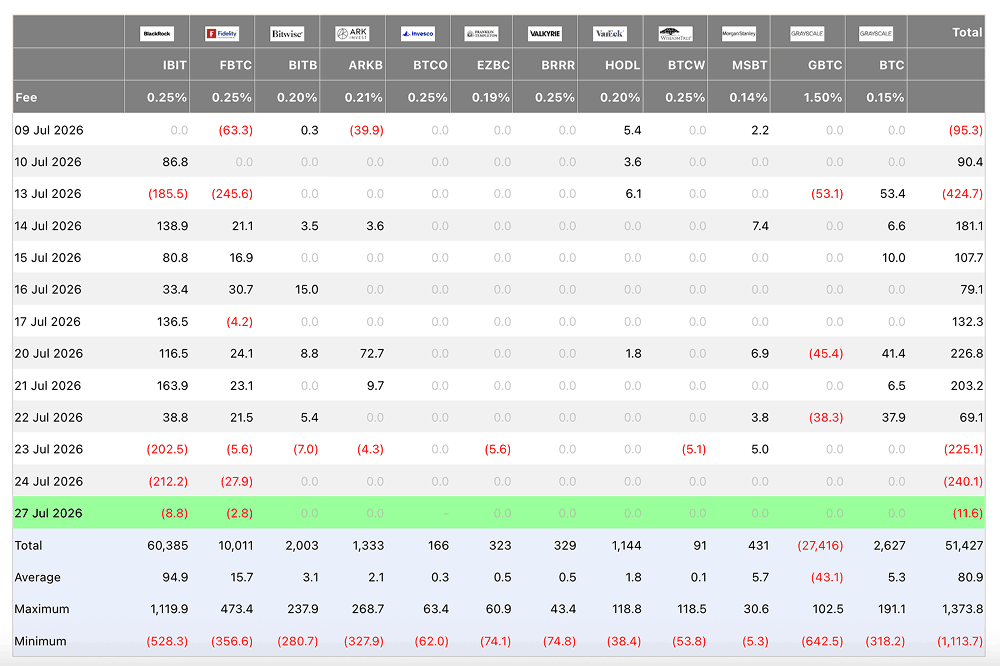
Farside Investors, July 27, 2026
ETF outflows matter because they show that institutional demand has weakened. They can also require fund managers to reduce their Bitcoin exposure.
Corporate buying provided little support. Strategy reportedly went a third week without adding to its holdings. ETF withdrawals and slower corporate buying did not necessarily cause the entire decline, but they left the market with fewer large buyers while the Bitcoin price was falling.
Macro Factors Affecting Bitcoin Price
The wider financial environment also made Bitcoin less attractive. Reuters reported that the US dollar index remained near a four-week high at 101.50, while markets considered the possibility of another Federal Reserve rate increase.
Higher interest rates make cash and government bonds more attractive because they offer interest with less volatility. Bitcoin does not pay interest, so demand can weaken when bond yields rise and the dollar strengthens.
Investors were also waiting for US economic growth and inflation data. These conditions created a cautious market, but no reliable evidence shows that one economic announcement directly caused Bitcoin to fall below $65,000.
Why Did Bitcoin Drop Below $65,000?
Bitcoin dropped below $65,000 because buyers failed to defend the level when selling returned. BTC had already made several unsuccessful attempts to build a stronger recovery above $65,000. Each failure reduced confidence and encouraged some short-term traders to exit.
ETF outflows and uncertainty surrounding the Fed limited fresh demand. Once the price crossed below $65,000, market mechanics made the decline faster. Stop-loss orders automatically sold Bitcoin, while exchanges closed leveraged positions that had lost too much money.
Those additional sales pushed BTC closer to $63,000. In simple terms, normal selling weakened the market first, while automatic orders and liquidations increased the size of the move. That combination provides a clearer answer to why Bitcoin just dropped than any attempt to blame one headline or isolated event.
The Importance of the $65,000 Level
Traders watched Bitcoin at $65K because round numbers often attract large numbers of buy and sell orders. The level had also played an important role during Bitcoin’s recent recovery attempts.
A price area where buyers regularly enter the market is called support. Once Bitcoin falls below support, that same level may become resistance, meaning sellers appear whenever the price approaches it again.
Breaking $65,000 did not guarantee another major decline. However, remaining below the level showed that buyers had lost short-term control and would need stronger demand to regain it.
Liquidations and Market Volatility
Data compiled by Coinglass showed that approximately $600 million in Bitcoin positions were liquidated over 24 hours. Long positions accounted for $73.29 million, compared with $16.75 million in short positions.
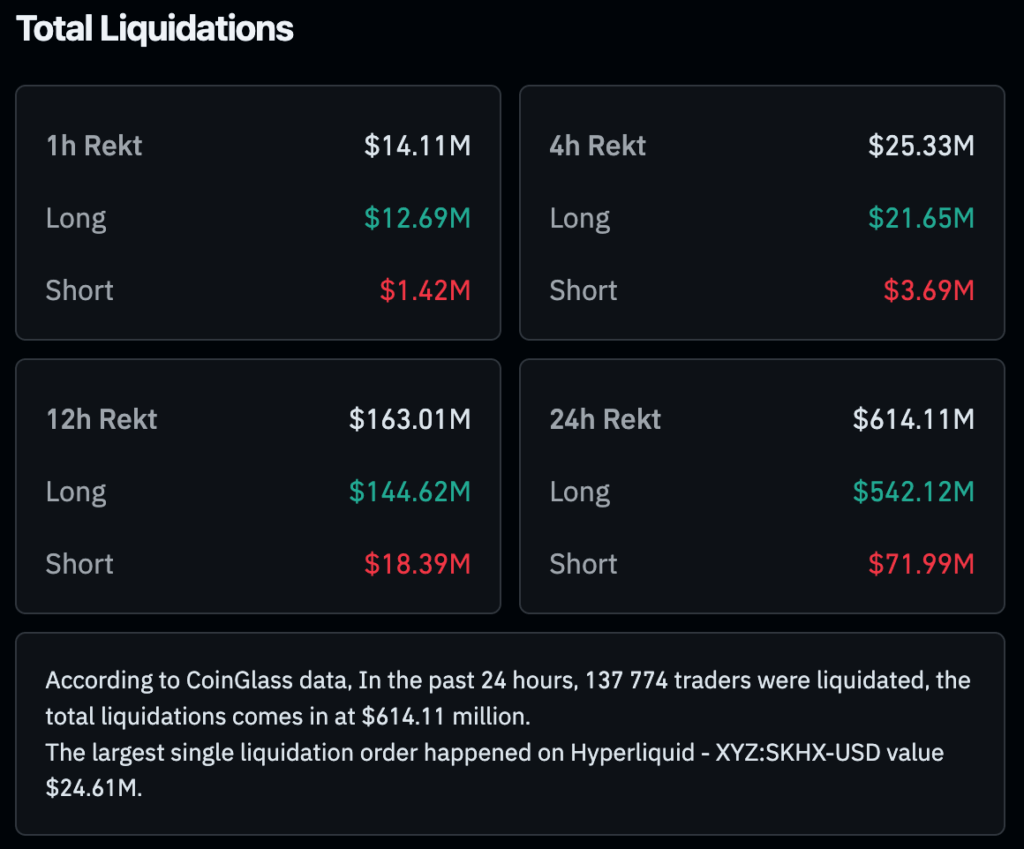
Coinglass, July 28, 2026
A long is a leveraged trade that profits when Bitcoin rises. Exchanges automatically close such positions when traders no longer have enough collateral to cover their losses.
These forced sales made the BTC drop faster, especially during periods with fewer buy orders. However, liquidations probably intensified the decline rather than starting it.
Is Bitcoin Likely to Recover After the Drop?
Bitcoin could recover above $65,000, but the market has not yet provided enough evidence to confirm a lasting rebound. The answer depends on whether buyers return and whether the pressures behind the decline begin to ease.
A bullish scenario would involve Bitcoin holding near $63,000, trading volume stabilizing and the price moving back above $65,000. Renewed ETF inflows would make that recovery more convincing.
A neutral scenario could keep BTC moving between roughly $63,000 and $65,500 as investors wait for clearer economic and institutional signals. Short moves above or below that range would not necessarily establish a new trend.
A bearish scenario would develop if Bitcoin repeatedly failed to regain $65,000 and then fell below its latest low. Anyone asking whether Bitcoin will go back to $65K should watch ETF flows, trading volume, leverage and wider market sentiment rather than relying on one short price jump.
Factors That Could Support a Bitcoin Recovery
Will Bitcoin hit $65K again? It could, especially if spot ETF flows become positive and buyers continue entering the market near $63,000. A weaker dollar, lower bond yields or a softer message from the Federal Reserve could also support demand.
Lower leverage would reduce the risk of another liquidation wave. Meanwhile, a move above $65,000 followed by several successful attempts to hold the level would provide a stronger recovery signal than a brief price spike.
Risks That Could Lead to Further Declines
Continued ETF outflows, weak institutional demand or a stronger dollar could keep Bitcoin under pressure. Higher bond yields, unexpected regulatory news or renewed geopolitical tension could also make investors more defensive.
Price action creates another risk. If Bitcoin drops below the latest low near $63,050, new stop-loss orders and long liquidations could add to the decline. Repeated failures to regain $65,000 would also suggest that sellers remain stronger than buyers.
What Does a Bitcoin Price Drop Mean for the Crypto Market?
Bitcoin’s decline affected most of the cryptocurrency market. CoinGecko valued the market at approximately $2.25 trillion, down around 2.9% over 24 hours. Bitcoin dominance remained close to 56.5%, meaning BTC represented more than half of the market’s total value.
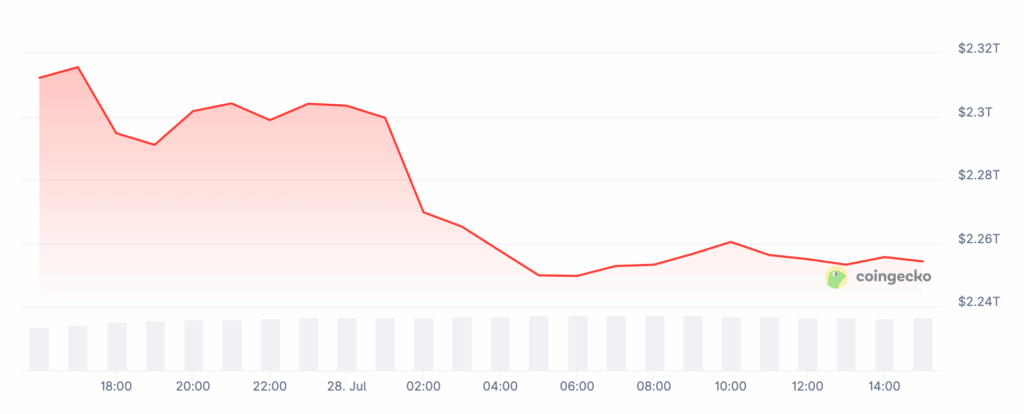
CoinGecko, July 28, 2026
Several major altcoins fell more sharply. Ethereum lost about 5% and traded near $1,880, while Solana declined roughly 5.5% to around $72.5. XRP dropped close to 5.5%.
Altcoins often suffer larger losses because they have fewer buyers, lower liquidity and more speculative trading. Liquidity describes how easily an asset can be bought or sold without causing a large price move.
Bitcoin also acts as the crypto market’s main reference point. When BTC weakens, traders often reduce their altcoin exposure as well. That relationship helps explain why crypto is down even when individual projects have not released any negative news.
Frequently Asked Questions
Why Is Bitcoin Down?
Why is Bitcoin down? BTC fell as ETF demand weakened, investors became more cautious before the Fed meeting and the dollar remained strong. After Bitcoin lost $65,000, stop-losses and long liquidations added further selling pressure.
Why Is Bitcoin Falling Today?
Why Bitcoin is falling has no single confirmed answer. Negative ETF flows, weaker risk sentiment and uncertainty surrounding US interest rates reduced demand. Liquidations then accelerated the move from above $65,500 toward $63,000.
Why Is Bitcoin Dropping?
Bitcoin is dropping because sellers currently outnumber buyers around $65,000. ETF outflows and macroeconomic uncertainty weakened demand, while stop-loss orders and leveraged liquidations increased selling after the price broke support.
Can Bitcoin Recover After Falling Below $65,000?
Yes, Bitcoin can recover, although a return to $65K is not guaranteed. Positive ETF flows, stronger demand and calmer markets could help. A sustained move above $65,000 would provide better evidence of recovery than briefly touching the level.
How Does Crypto Go Up and Down?
How does crypto go up and down? Prices rise when buying demand exceeds the number of coins available for sale. They fall when selling becomes stronger. News, sentiment, interest rates, institutional trades, liquidity, and leverage can all change that balance.
Follow us on Medium, X, Telegram, YouTube, and Publish0x to stay updated about the latest news on StealthEX and the rest of the crypto world.
Don’t forget to do your own research before buying any crypto. The views and opinions expressed in this article are solely those of the author.
Bitcoin Bitcoin BTC Bitcoin price Bitcoin price prediction BTC





Be the first to comment