




TLDR
- Bitcoin remains the strongest core holding due to its scarcity and institutional adoption
- Ethereum powers decentralized finance and blockchain infrastructure with a massive developer base
- Solana offers high performance and growth potential but comes with higher risk
- Chainlink connects blockchains to real-world data, making it key infrastructure for tokenization
- Hyperliquid is the most speculative pick, built around real decentralized trading activity
Thousands of cryptocurrencies exist today, but most carry risks that make them unsuitable for long-term investing. Experts suggest focusing on a small group of established and emerging projects across different parts of the crypto market. Here is a closer look at five that stand out.
Bitcoin: The Core Holding
Bitcoin is the foundation of any long-term crypto portfolio.
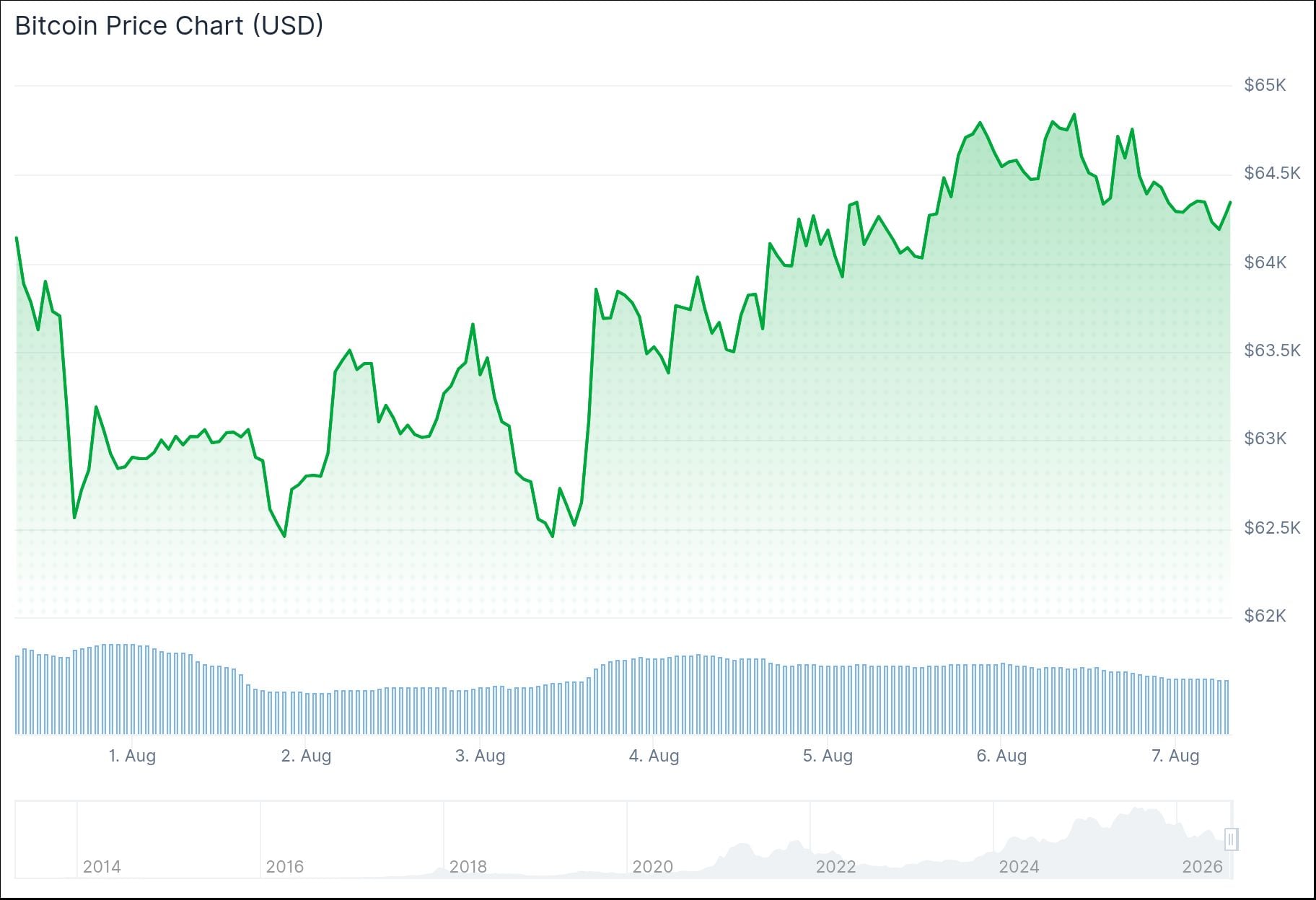
Its fixed supply, deep liquidity and growing acceptance from institutional investors make it one of the safer options within a volatile asset class. It is increasingly seen as a digital store of value, similar to gold.
Bitcoin may not deliver the largest gains in a bull market, but it offers the most stability. Most portfolio strategies suggest giving Bitcoin the largest allocation, around 40%.
Ethereum: Blockchain Infrastructure
Ethereum is the second pillar of a long-term portfolio.
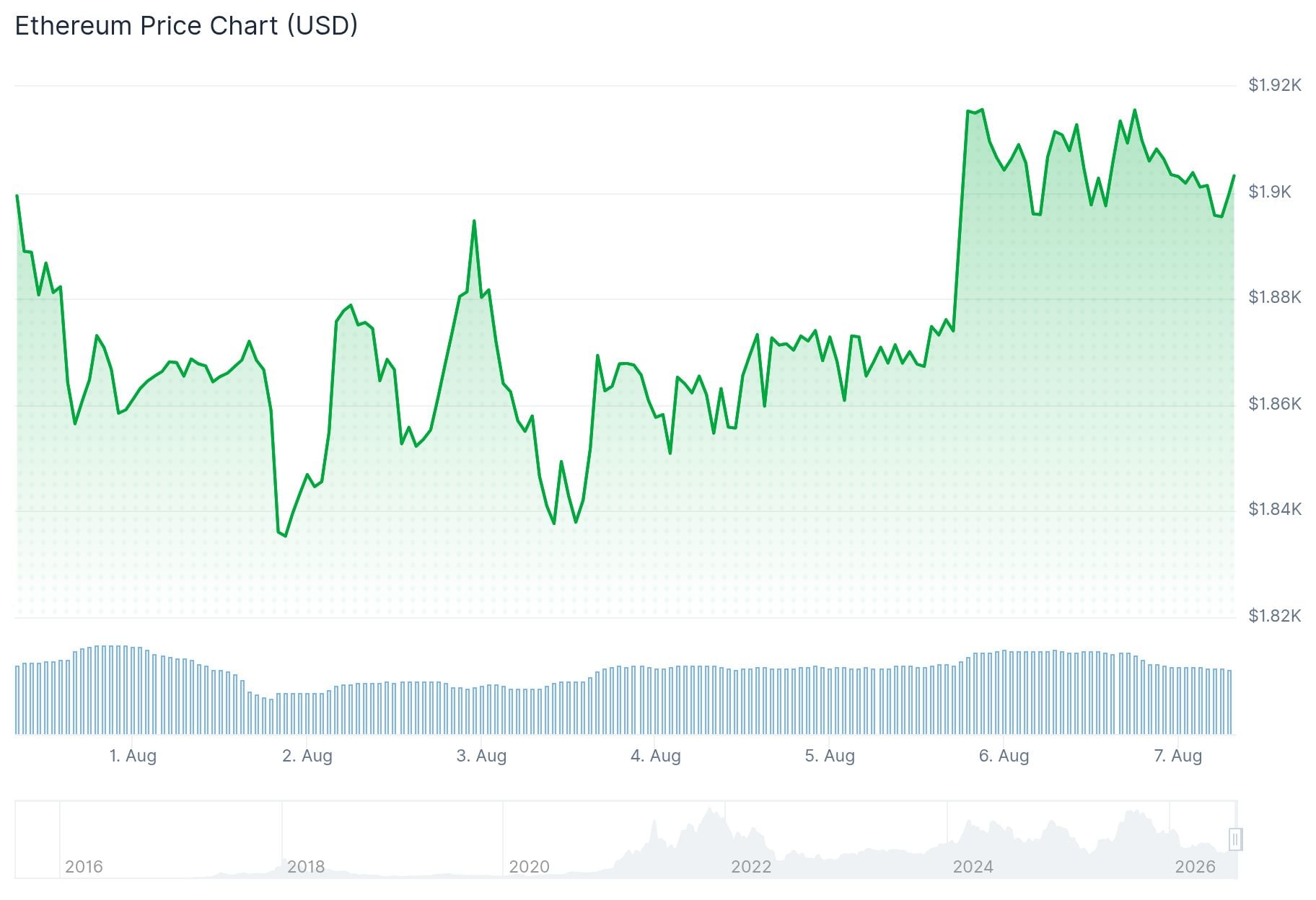
It powers decentralized applications, stablecoins, decentralized finance and tokenized assets. Its developer community is one of the largest in the entire crypto space.
The network continues to improve its speed and efficiency. If blockchain-based finance keeps growing, Ethereum is positioned to remain at the center of it.

Solana: High Performance, Higher Risk
Solana is a faster, cheaper alternative to Ethereum.
It has become one of the top blockchains for trading, payments and consumer apps. Its transaction speeds and low fees give it a strong edge in attracting developers and users.
The tradeoff is more volatility. Solana carries more risk than Bitcoin or Ethereum, but also more upside potential for investors with a longer time horizon. A suggested allocation sits around 17.5%.
Chainlink: The Infrastructure Play
Chainlink takes a different angle on crypto investing.
Its technology connects blockchain networks to real-world data and systems. This is called oracle infrastructure, and it is a critical piece of how smart contracts function in the real world.
As more traditional financial assets move onto blockchains, demand for this kind of infrastructure could grow. Chainlink provides portfolio diversification beyond simply holding different blockchain tokens.
Hyperliquid: High Risk, High Reward
Hyperliquid is the most speculative name on the list.
It has built a strong position in decentralized trading, particularly perpetual futures contracts. Unlike many crypto projects that run on hype alone, Hyperliquid is backed by real trading volume and activity.
That makes it more interesting than a typical high-risk altcoin. Still, it remains far less established than the others, and experts suggest keeping any position small, around 5% of the overall portfolio.
Building a Simple Long-Term Portfolio
A long-term crypto portfolio does not need to be complicated.
One example allocation is 40% Bitcoin, 27.5% Ethereum, 17.5% Solana, 10% Chainlink and 5% Hyperliquid. This spreads exposure across store of value, infrastructure, high performance and speculative growth.
Crypto remains highly volatile. Even well-known projects can drop sharply. These picks are best treated as long-term, high-risk positions rather than guaranteed winners.
For investors prepared to hold through market swings, these five cryptocurrencies cover different parts of the crypto economy while keeping the portfolio manageable.



Be the first to comment