



- California has banned public officials from promoting memecoins that use a public official’s likeness or image.
- Newsom said the law aims to combat corruption, protect consumers and hold crypto fraudsters accountable.
- The bill also helps crypto scam victims recover losses and gives authorities powers to seize digital assets linked to international criminal networks.
“The Opposite of Trump”. That’s part of the title of the announcement from California Governor Gavin Newsom, who just signed a law targeting public officials’ use of memecoins. The law takes aim at the sitting US president’s efforts to sell his own memecoins by making it illegal for public officials to shill memecoins in California.
Newsom said the law would “combat corruption by public officials, protect consumers, and hold crypto fraudsters accountable”.
While the scam that is Donald Trump continues to hurt American families, California is fighting to make our economy work for people, not the powerful.
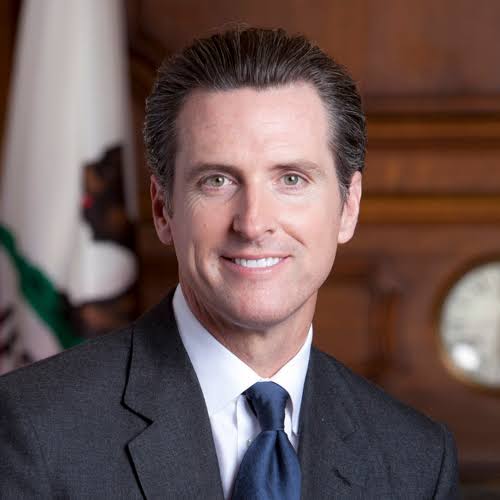 Gavin Newsom, California Governor
 In the statement, Newsom said Trump’s memecoins had left almost 1 million people with losses of around US$3 billion (AU$4.3 billion), while Trump pocketed around US$636 million (AU$907 million).
As well as banning California public officials from selling memecoins that use the likeness or image of a public official, the bill introduces broader crypto regulations.
Read also: SEC Says Token Buybacks and Network Upgrades Don’t Automatically Make Crypto Securities
What Else Is in the Bill?
The bill also creates a path for crypto scam victims to recover their losses and gives authorities a defined legal process for seizing digital assets held by international criminal networks.
For live events, it guarantees full refunds when shows are cancelled, delayed or rescheduled, bans the sale of tickets that the seller does not yet hold, and cracks down on price gouging, ticket-buying bots, and deceptive websites and advertising.
It also stops unauthorised third parties from reselling restaurant reservations and golf tee times for profit. And it strengthens data privacy by broadening the right to have personal information deleted, preventing apps and operating systems from overriding a user’s privacy settings without consent, and imposing new rules on how insurers and related companies collect, use, keep and share personal data.
Trump’s involvement in crypto has been a sticking point for Democrats and helped sink the CLARITY Act in a recent US Senate vote. Following the vote, Senator Mark Warner said in a statement that “the failure to address this fundamental conflict of interest” meant he voted no on the bill.
Read more: Altman and Amodei Asked to Face Australian Senate After OpenAI Agent Breaches Government Sites


Be the first to comment