

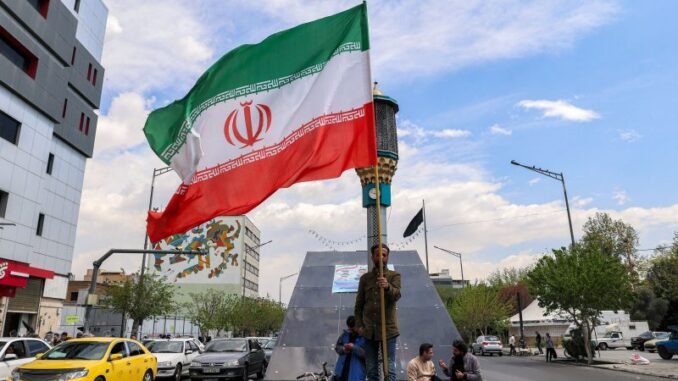

President Donald Trump confirmed Monday that he pulled back from launching a large-scale military strike on Iran, a decision made just hours before the operation was reportedly set to begin. The pause came after direct appeals from Gulf Arab leaders who told Trump that negotiators were closing in on a deal to prevent Iran from obtaining nuclear weapons.
“We were getting ready to do a very major attack tomorrow,” Trump told reporters at the White House, framing the delay not as a retreat but as a window for diplomacy. The strike remains on the table if talks collapse.
What happened and who made the call
The postponement followed coordinated lobbying from three of the most influential leaders in the Middle East: Qatari Emir Tamim bin Hamad Al Thani, Saudi Crown Prince Mohammed bin Salman Al Saud, and UAE President Mohamed bin Zayed Al Nahyan. All three urged Trump to give diplomacy more runway, arguing that a negotiated outcome was within reach.
Trump obliged, but with a caveat. He stressed that any deal must result in Iran having zero nuclear weapons capability. The US military, meanwhile, has not stood down. Forces remain positioned and ready should the diplomatic track fall apart. Iran has warned it would retaliate against any attack.
Why crypto markets should pay attention
Iran sits on the Strait of Hormuz, one of the most critical chokepoints for global energy supply. Reports indicate Iran has been tightening its control over shipping routes in the strait, which is already putting upward pressure on crude prices. If negotiations collapse and a military strike follows, oil could spike sharply.
Gold has historically been the primary beneficiary of Middle Eastern military tensions. During the initial Russia-Ukraine escalation in early 2022, Bitcoin initially sold off alongside equities before finding a bid as a neutral, borderless asset.
The broader context
The Gulf leaders’ intervention is significant because it signals that the region’s biggest economic powers, countries with massive sovereign wealth funds and growing exposure to digital assets, view a military conflict as genuinely destabilizing. Saudi Arabia and the UAE have both been expanding their crypto and blockchain infrastructure.
The UAE has positioned itself as a global hub for digital asset companies, with Dubai attracting major exchanges and Web3 firms. A war involving Iran would introduce regulatory uncertainty, capital flight risk, and operational disruptions for crypto businesses headquartered in the region.
What to watch from here
The Strait of Hormuz situation deserves close monitoring. Any physical confrontation between Iranian and US naval forces could escalate faster than diplomats can de-escalate.
During previous geopolitical crises, large movements of USDT and USDC into and out of Middle Eastern exchanges have served as early indicators of regional capital repositioning.



Be the first to comment