



TLDR
- Elizabeth Warren accused Trump of weakening the CFTC to benefit crypto-linked allies and family interests.
- The CFTC is facing scrutiny over its handling of prediction market firms tied to crypto platforms.
- Prediction markets remain disputed, with states arguing some products should be treated as gambling.
- Warren called for crypto legislation to limit conflicts of interest and protect consumers from scams.
- Warren also proposed taxing AI companies and large data centers to offset public energy costs.
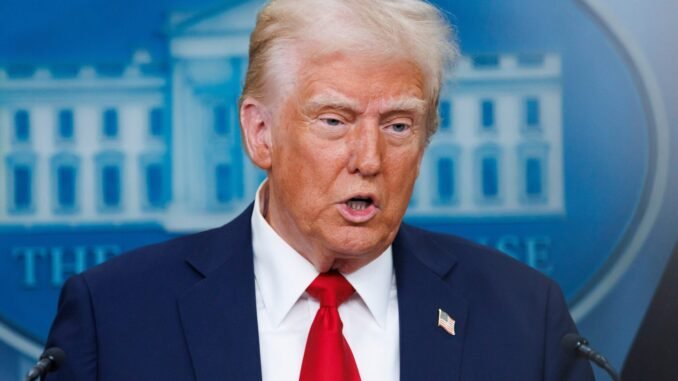
Senator Elizabeth Warren has accused President Donald Trump of weakening a federal crypto watchdog to benefit his family and allies, renewing her call for legislation aimed at preventing conflicts of interest and protecting consumers from fraud.
Warren made the remarks on X after reports described internal tensions at the Commodity Futures Trading Commission over prediction markets and crypto-related firms with links to Trump family business interests. She said the president should not financially benefit from agencies he controls and said her bill would target what she described as conflicts involving crypto ventures.
The comments come as prediction markets face a growing legal and political fight over whether they should be treated as federally regulated financial products or state-regulated gambling activity.
Elizabeth Warren Targets CFTC Crypto Oversight
Elizabeth Warren said Trump was “gutting a crypto watchdog” while companies tied to his family and associates sought favorable treatment from federal regulators. Her remarks followed reporting that senior CFTC officials raised concerns about prediction market firms, including Crypto.com, Polymarket, and a Gemini-linked business.
Donald Trump is gutting a crypto watchdog so the Trump family and their friends can enrich themselves.
We need crypto legislation that stops this corruption and protects Americans from getting scammed. pic.twitter.com/bZfUw3WfWK
— Elizabeth Warren (@SenWarren) May 27, 2026
According to the reports, some career officials questioned whether retail users were being treated fairly, whether fraud protections were strong enough, and whether certain firms had completed required reviews. Several senior officials later were placed on leave or sidelined while internal reviews were opened.
The CFTC has become central to Washington’s crypto and prediction market debate. Under Trump, the agency has argued that prediction markets should fall under federal commodities law when operated by regulated platforms.

State officials from both parties have challenged that view. Several states argue that event contracts, especially those tied to sports, elections, or public events, resemble gambling and should be handled under state law.
Prediction Markets Face State Pushback
Prediction markets allow users to trade contracts based on future outcomes. These can include political races, economic reports, sports results, policy decisions, and other events.
Platforms such as Kalshi and Polymarket have gained wider attention as trading volume has increased. Supporters say the markets create useful forecasting tools. Critics say the products can resemble betting platforms and may raise concerns around insider information, manipulation, and consumer protection.
Minnesota Governor Tim Walz recently signed a law restricting prediction market activity in the state. New York Attorney General Letitia James has also taken action against crypto firms accused of offering gambling-style products through prediction market platforms.
The Trump administration has responded by defending CFTC authority in court. Trump has said it is “critically important” for the CFTC to maintain authority over prediction markets and has linked the issue to U.S. leadership in crypto and financial technology.
Elizabeth Warren’s position differs sharply from the administration’s. She has argued that crypto legislation should block elected officials and their families from profiting from digital asset ventures while in office.
Elizabeth Warren Also Calls for AI Tax
Warren separately proposed taxing artificial intelligence companies, saying gains from AI should benefit the public rather than only major technology firms and investors.
In a Time op-ed, Warren said policymakers should consider taxes on large AI data centers based on energy consumption. She argued that data center electricity use can raise costs for households and that companies benefiting from AI growth should help cover those public costs.
She also renewed support for broader wealth-tax ideas and named AI-linked business leaders, including OpenAI CEO Sam Altman and Amazon founder Jeff Bezos, in her argument.
Warren said AI policy should include consumer safeguards, rules for national security risks, and measures addressing electricity demand. Her proposal comes as Congress remains divided on AI regulation, with lawmakers debating how to balance innovation, worker protection, energy use, and public safety.


Be the first to comment