




TLDR
- Bitcoin ETFs saw nearly $5 billion in outflows in Q2, including $4 billion in June alone
- Private credit markets were hit harder, with $15.6 billion in redemption requests in Q2
- Redemption requests exceeded the 5% quarterly cap at 10 of 16 business development companies
- A 10-day Bitcoin ETF sell-off totaling $2.7 billion has ended, but institutional demand remains weak
- Spot Bitcoin demand is still negative while futures demand has only slightly recovered
The second quarter of 2026 was rough for both Bitcoin ETFs and private credit funds. Investors pulled nearly $5 billion from U.S.-listed spot Bitcoin ETFs over the quarter, with $4 billion leaving in June alone. BlackRock’s fund led the outflows.
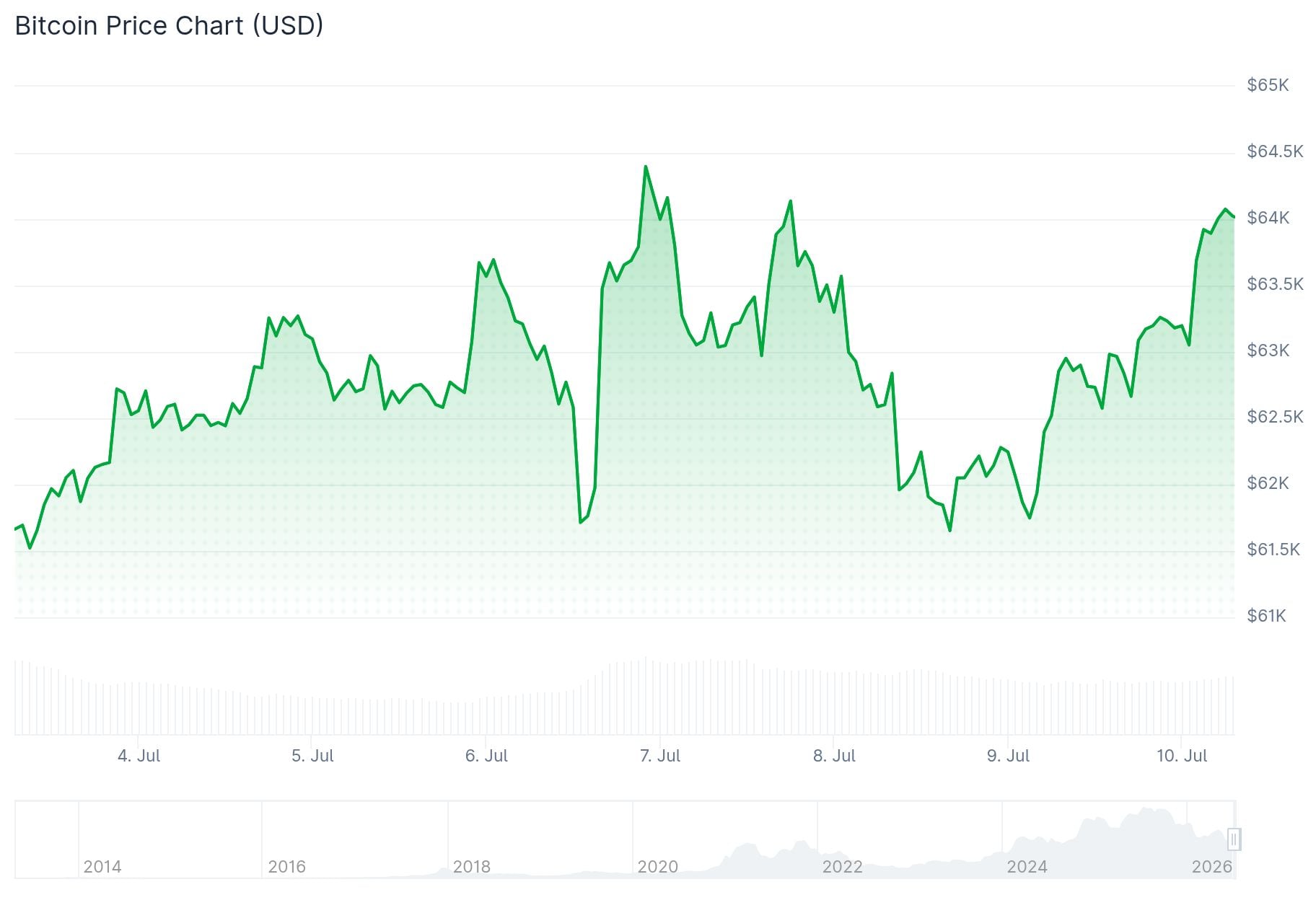
Capital rotated into AI stocks and high-profile opportunities like SpaceX’s IPO. Bitcoin’s price dropped roughly 14% in Q2, falling below $60,000 for its third straight quarterly loss.
But the stress in private credit was even bigger. Investors requested $15.6 billion in redemptions from the $2 trillion private credit market during Q2. Most funds could not fully pay out those requests.
Standard quarterly redemption caps at business development companies sit at 5%. Requests exceeded that cap at 10 of the 16 companies tracked by Fitch. Average redemption requests rose to 10.3% of shares, up from 9.7% in Q1. One fund saw requests as high as 38.1%.
New money flowing into these funds dropped by about 56% on average. Most funds ended up with net outflows of around 3% of their prior quarter’s net asset value.
Fitch warned that elevated redemptions are expected to continue. Unfulfilled requests from Q2 will roll into future quarters, keeping pressure on these funds.
Bitcoin ETF Sell-Off Ends, But Recovery Is Fragile
On the Bitcoin ETF side, things have started to stabilize. A 10-day streak of net outflows totaling $2.7 billion ended recently. ETFs then saw over $500 million in net inflows across three trading days, though Wednesday brought a fresh $84.9 million net outflow.

Crypto investment firm Swissblock said the “most overwhelming ETF distribution wave of this bear market has ended.” But the firm cautioned that institutional conviction has not fully returned.
Data from CryptoQuant shows that overall Bitcoin demand, while recovering, still shows a gap between spot and futures markets. Futures demand has turned slightly positive. Spot demand remains negative.
Analysts note that sustainable rallies historically need both spot and futures demand rising together. That has not happened yet.
Broader Risk Signals Add to the Pressure
Singapore-based QCP Capital pointed to several other stress signals. The U.S. Strategic Petroleum Reserve has fallen to its lowest level since 1983. Strategy sold Bitcoin for the first time to fund dividends. Private credit redemption gates have been breached across multiple funds.
QCP summed it up simply: “The buffers are wearing thin.”
Taken together, the data from Bitcoin ETFs, private credit markets, and energy reserves paints a cautious picture for risk assets heading into the second half of 2026.



Be the first to comment