


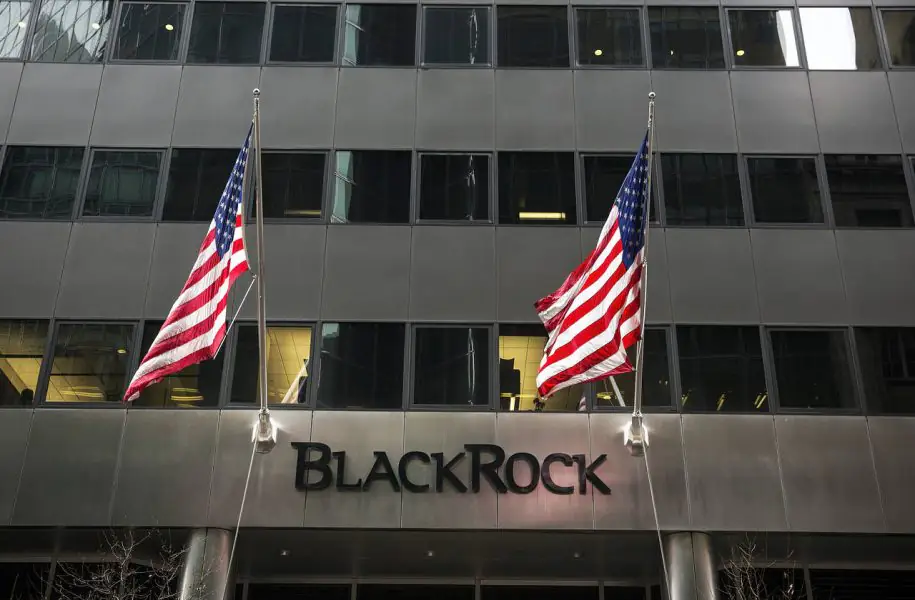
BlackRock has publicly backed the CLARITY Act, adding the world’s largest asset manager to the institutional push for US digital asset legislation.
Key Takeaways
- BlackRock has backed the CLARITY Act.
- Cohen stressed investor protection and market resilience.
- Goldman supports moving the bill forward.
- Fidelity calls the framework balanced.
- Schwab sees passage as a market catalyst.
- Rewards and ethics remain heavily disputed.
In a statement provided to Politico, BlackRockGlobal Head of Market Development Samara Cohen described the bill as an important step towards an investor-focused regulatory framework. She said it could support innovation while preserving the transparency, resilience and investor protections expected in US capital markets.
The endorsement came as the Crypto Council for Innovation published its “Myths v Facts” paper, arguing that the legislation would strengthen oversight, customer protection and enforcement against illicit finance.
CCI represents the digital asset industry, so its paper presents the case for passage rather than an independent assessment. BlackRock’s statement carries a different kind of weight because the company already operates large regulated investment and tokenization businesses.
Why BlackRock’s Support Carries Weight
BlackRock reported $15.3 trillion in assets under management at the end of June. A regulatory position from a company of that size is difficult for lawmakers to dismiss as a request coming only from crypto-native businesses.
The company also has direct commercial exposure to the rules under discussion. Larry Fink’s 2026 chairman’s letter said BlackRock managed nearly $80 billion through digital asset exchange-traded products and $65 billion in stablecoin reserves. It also operates the largest tokenized Treasury fund.
In 2017, Fink described cryptocurrencies as an indication of money-laundering demand. BlackRock later launched major Bitcoin and Ethereum products and expanded into tokenized funds and stablecoin reserve management.
Fink acknowledged the change during an official BlackRock interview published in 2025, saying that he had grown and learned. BlackRock is now asking for clearer rules around a market its chief executive once viewed largely through the lens of financial crime.
Goldman and Fidelity Have Also Backed Progress
Goldman Sachs CEO David Solomon has said he is supportive of moving the CLARITY Act forward. He acknowledged that the bill is imperfect but argued that a defined market structure would improve stability and give digital asset businesses clearer conditions for development.
Fidelity has also endorsed the legislation. Fidelity Public Policy described it as a balanced framework that could provide statutory clarity, benefit American investors and support the country’s position in digital asset markets.
Charles Schwab has used more measured language. Its July 24 market research called passage a key fundamental catalyst that could revive institutional interest. That was a research assessment rather than the same type of formal endorsement issued by BlackRock, Goldman or Fidelity.
The firms have different business models, but all face the same practical problem. Unclear asset classifications make custody, trading, tokenization and product development harder to plan.
The Bill Still Has a Political Problem
Institutional support does not resolve the disputes holding up the legislation.
One fight concerns stablecoin rewards. The latest framework would prohibit interest-like payments on passive stablecoin balances while allowing some rewards tied to transactions or platform activity. Banks argue that these incentives could draw deposits away from regulated lenders, while crypto companies say broader restrictions would shield banks from competition.
Goldman’s position is notable because Solomon supports moving the bill forward while other banking executives continue to oppose its treatment of stablecoin rewards. His comments focused on the value of establishing market rules rather than dismissing the banking sector’s concerns.
Political ethics remain another obstacle. Lawmakers disagree over how strongly the bill should restrict senior officials and their families from issuing, promoting or profiting from digital assets, and who should enforce those restrictions.
The reach of compliance obligations also remains contested, particularly for decentralized platforms and software developers that do not hold customer assets. These questions involve more than defining which regulator oversees a token.
What the Institutional Support Really Means
BlackRock, Goldman and Fidelity have their own commercial reasons for wanting the bill. Clearer rules would reduce legal uncertainty around businesses they already operate or plan to expand.
Large firms may also be better placed to absorb licensing, reporting and compliance costs than smaller competitors. Their support does not establish that every provision benefits consumers or creates fair competition.
It does show that regulatory uncertainty now affects some of the largest companies in finance. The remaining test is whether lawmakers can settle the disputes over stablecoin rewards, political ethics and compliance before institutional support loses momentum.
- Disclaimer: This article is for informational purposes only and does not constitute financial, investment or legal advice. The CLARITY Act may change during the legislative process.
- Methodology: BlackRock’s endorsement is based on the supplied statement from Samara Cohen provided directly to Markets Media. No BlackRock-hosted version of that statement was found. BlackRock’s scale and digital asset exposure use official company publications. Goldman’s position comes from David Solomon’s reported comments, while Fidelity and Schwab are described according to their published statements and research.

Alex is Editor-in-Chief of Coindoo and co-founder of Millennial Media Group, with nearly a decade of experience covering financial markets – crypto first, then everything else.
It started in 2016 with Bitcoin. Like most people at the time, he didn’t fully understand it – so he kept digging. Blockchain, tokenomics, the projects, the cycles. That curiosity never stopped, and eventually pulled him into traditional markets too: equities, commodities, macro. Not because he left crypto behind, but because you can’t properly understand one without the other.
What drives him is straightforward: he wants to know why something is happening, not just that it’s happening. Most market coverage stops at the headline – price up, price down, here’s a chart. Alex finds that kind of reporting actively unhelpful. If you walk away from an article without understanding the mechanism behind the move, what did you actually learn?
He holds a degree in Tourism from New Bulgarian University – not the most obvious path into financial markets, but markets have a way of pulling in people who are simply too curious to stay out. He has authored over 200 in-depth analyses and more than 10,000 articles across crypto and traditional finance. He still thinks every day in markets teaches him something new. That’s probably why he hasn’t stopped.



Be the first to comment