


Disclaimer: The below article is sponsored, and the views in it do not represent those of ZyCrypto. Readers should conduct independent research before taking any actions related to the project mentioned in this piece. This article should not be regarded as investment advice.
Blockmaze, the largest regulated ecosystem for tokenized assets backed by Finvasia Group, is building what it describes as the most compliant infrastructure ever designed to bridge tradfi markets and blockchain technology. With a presence spanning 45+ regulatory registrations across Europe, the GCC, and Asia — and licenses across eight jurisdictions — Blockmaze is setting a new standard for how tokenized assets are created, recognized, and owned.

The platform is built to solve one of tokenization’s most persistent challenges: trust and legal ownership. Rather than treating compliance as an afterthought, Blockmaze embeds it at the core of its infrastructure — connecting digital assets with real-world regulatory frameworks across a global asset market estimated at more than $500 trillion.
The Opportunity
The current crypto market sits at approximately $3 trillion. Global investable assets — spanning real estate, equities, bonds, gold, and commodities — represent an estimated opportunity of $500+ trillion. According to McKinsey, more than $2 trillion worth of assets could move on-chain by 2030.

 
Tokenization is the bridge. But for that bridge to hold institutional weight, it needs regulatory infrastructure behind it — not just technology.
Built for Compliant Players, by Compliant Players
Blockmaze provides ready-to-launch solutions for issuers, institutions, brokers, exchanges, and financial platforms looking to participate in the next era of on-chain finance. Its regulated ecosystem enables tokenized assets not just to be created but also to be legally recognized, compliant, and connected to real-world ownership — giving issuers the confidence to bring assets on-chain faster and more securely.
The platform is designed to accelerate RWA adoption at a moment when momentum is building worldwide, but the industry continues to face a critical gap: bridging the distance between digital tokens and legally recognized ownership. As governments and regulators build clearer frameworks for tokenized assets, compliant infrastructure is fast becoming the foundation on which sustainable adoption will be built.
Compliance as Infrastructure, Not an Add-On
Blockmaze’s approach is deliberate. By embedding compliance into the platform’s core rather than layering it on top, the ecosystem enables issuers to build tokenized assets that are supported by licensing, verification, and direct connectivity to tradfi systems. That foundation is designed to unlock institutional confidence and define the next phase of RWA adoption.
Because the future of tokenization won’t be defined by technology alone. It will be defined by trust.
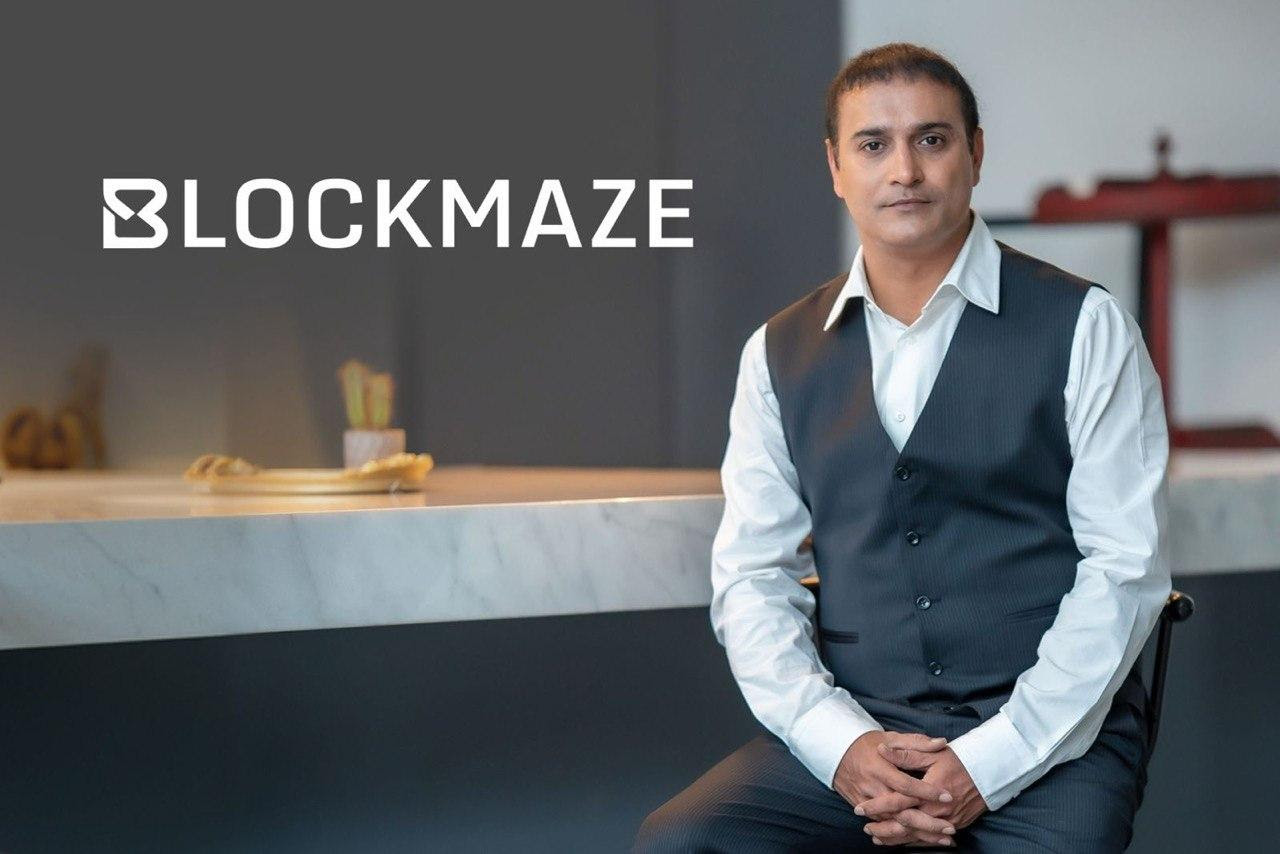
“The future opportunity is not limited to crypto. The larger transformation is bringing the world’s existing financial assets on-chain. Current penetration remains extremely low, with only around US$40 billion of the US$500 trillion global asset opportunity tokenised today. While the technology to create tokens already exists, the biggest challenge has always been connecting those tokens to real-world ownership, regulatory acceptance, and institutional trust. This is the gap Blockmaze was built to solve,” said Tajinder Virk, Co-Founder & CEO of Blockmaze and Finvasia Group.
“The next era of tokenisation will not be defined by who can create compliant and licensed digital tokens the fastest. It will be defined by who can create trusted, legally recognised assets backed by strong regulatory frameworks. The world is moving fast towards a regulated blockchain environment where tokenised assets will need to be supported by licensing, compliance, and legal recognition to build long-term trust.”
“Blockmaze combines regulatory-first infrastructure with the finality of blockchain to enable secure, transparent and verifiable ownership of tokenised assets – protecting both issuers and investors across the asset lifecycle”, he added.
“Although blockchain technology has been around for more than a decade, mainstream adoption requires institutions, regulators, and governments to transition from legacy financial systems into trusted digital infrastructure” Tajinder Virk explains.
“The biggest challenge is not token creation — it is trust, legal recognition, and regulatory acceptance. Today, anyone can create a token, but the question is whether the token represents a genuine underlying asset and whether ownership is recognised and enforceable beyond the blockchain,” he stresses.
“A token representing real estate only creates true value when ownership rights are recognised beyond the blockchain and connected to the legal framework of that jurisdiction. Tokenisation needs to connect digital ownership with real-world ownership – and Blockmaze has been built to bridge this gap. “We are future-proofing tokenised assets through legal compliance, transparency, real-time transactions, and blockchain efficiency to support secure adoption at scale.”
What Blockmaze Actually Is
Blockmaze enables tradfi assets to transition to the digital asset economy by linking real-world ownership to blockchain technology. While conventional crypto platforms are built for crypto-native activity, Blockmaze is purpose-built for something different: providing issuers and institutions with the infrastructure to transform traditional assets into secure, accessible, and compliant digital investment products.
The platform was developed through first-hand experience in regulated financial markets — combining deep financial expertise, regulatory understanding, and blockchain innovation into a single, coherent infrastructure stack. Its regulatory footprint spans key jurisdictions, including the UAE, Europe, and the GCC, with licenses and registrations across multiple regions, supporting its global vision for trusted tokenized finance.
At its foundation, Blockmaze is a Layer-1 blockchain infrastructure designed to power the inevitable tokenization of real-world assets. It is not just another blockchain. It is a regulated infrastructure — built for a future in which real-world assets move on-chain securely, transparently, and with full legal recognition.




Be the first to comment