




About 90% of crypto flows in Brazil are tied to stablecoins — and that figure appears to have been the breaking point for regulators.
A Rule With A Narrow But Significant Reach
Banco Central do Brasil (BCB) issued Resolution BCB No. 561 on Thursday, barring virtual assets from being used to settle payments inside the country’s eFX system, the regulated framework that governs international transfers and cross-border payments.

Under the new rule, eFX providers and their foreign counterparties must settle exclusively through official foreign exchange transactions or non-resident Brazilian real accounts. Crypto is out.
The rule also covers firms operating under transitional eFX status — those not yet listed among approved provider categories. They may keep offering eFX services only if they apply for central bank authorization by May 31, 2027. But the same restriction applies: no virtual assets for payments or receipts.
Brazil Central Bank Updates eFX Rules, Bans Crypto for Cross-Border Transfers
Brazil’s central bank has issued Resolution BCB No. 561, revising rules for international payment and transfer services (eFX). The regulation explicitly prohibits the use of crypto assets in… pic.twitter.com/V428C8I2tn
— Wu Blockchain (@WuBlockchain) May 1, 2026
What this is not, officials made clear, is a nationwide ban on crypto. Brazilians can still use digital assets outside the eFX channel. The BCB is drawing a line specifically around the supervised cross-border payment infrastructure it controls.
Stablecoin Surge Raised Red Flags
BCB Governor Gabriel Galipolo flagged the issue publicly in February. Crypto use in Brazil had jumped sharply over the previous two to three years, he said, with stablecoins accounting for roughly 90% of those flows. Reports indicate he pointed to concerns over taxation, money laundering, and questions around asset backing.
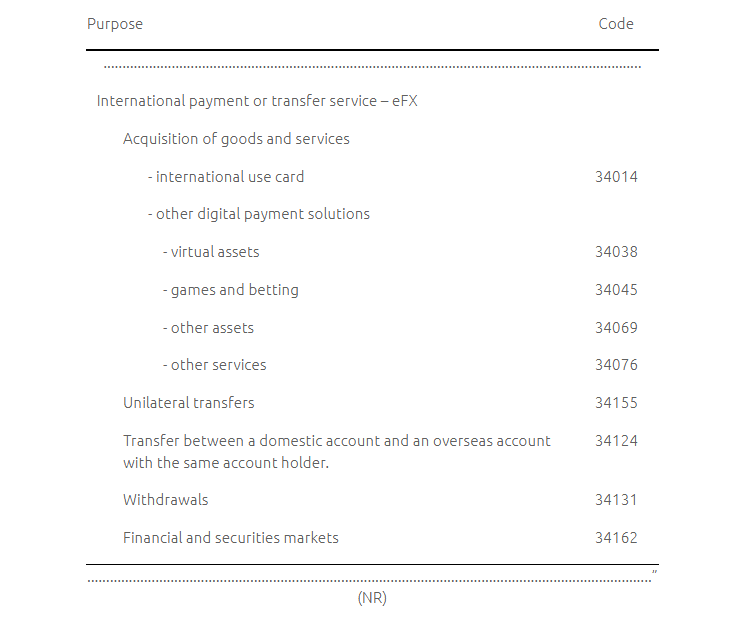
Source: BCB
The central bank had already been moving to tighten its grip. In November 2025, BCB detailed new authorization requirements for virtual asset service providers, including rules for those touching the foreign exchange market. The eFX restriction announced this week builds on that groundwork.
BRAZIL CENTRAL BANK CRACKS DOWN ON CRYPTO USAGE
The Banco Central do Brasil has officially issued Resolution No. 561, banning the use of cryptocurrencies in all regulated cross-border payment frameworks.
The new eFX rules mandate that international transfers must be processed… pic.twitter.com/m0jaCxcTYq
— BSCN (@BSCNews) May 1, 2026
Brazil’s concern goes beyond cross-border transactions. In a technical note submitted to Congress, the BCB warned that stablecoins issued outside its supervisory perimeter could be banned outright or face strict conditions in the domestic market.
BTCUSD trading at $78,319 on the 24-hour chart: TradingView
Real-denominated stablecoins issued without BCB oversight may create risks around regulatory fairness and monetary control. Foreign-currency stablecoins raise separate worries about jurisdiction, capital movement, and fragmentation of the payments system.
What Comes Next For Crypto Providers
eFX providers currently using virtual assets for cross-border settlement will need to restructure their operations. The clock is running. Those under transitional status have until May 2027 to seek authorization — but they cannot wait on the payments question. The no-crypto rule is effective now.
Featured image from PlanetofHotels.com, chart from TradingView
Editorial Process for bitcoinist is centered on delivering thoroughly researched, accurate, and unbiased content. We uphold strict sourcing standards, and each page undergoes diligent review by our team of top technology experts and seasoned editors. This process ensures the integrity, relevance, and value of our content for our readers.



Be the first to comment