



On Wednesday, the Senate confirmed Kevin Warsh as the next Federal Reserve chair in a 54-45 vote.
The 56-year-old nominee will succeed Jerome Powell, whose term expires this Friday. Notably, Powell intends to remain on the Fed’s Board of Governors until his term ends in 2028
The Republicans have lauded Warsh’s courage and market expertise, but the confirmation was the most partisan and divisive for a Fed chair in the institution’s history.

Senator John Fetterman (D-Pa.) was the sole Democrat to cross party lines and vote in his favor.
The “Democrat problem”
Unlike his predecessor, Warsh begins his tenure without a bipartisan safety net.
Powell would rely on his deep ties with lawmakers from both parties to act as “shock absorbers” against political pressure. In sharp contrast, Warsh is already facing significant friction with Democrats.
Critics, including virulently anti-crypto Senator Elizabeth Warren, have dismissed Warsh as a “sock puppet” installed to do the bidding of the White House.
You Might Also Like
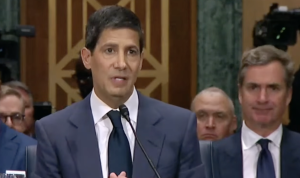
Senate Banking Committee members, such as Senator Raphael Warnock, have criticized Warsh for being “dismissive” during hearings and refusing to answer critical questions regarding Fed independence and oversight.
Warsh’s lack of “new friends” on Capitol Hill may make his term more complicated if the political tide eventually shifts.
The inflation predicament
Warsh inherits an economy trapped between aggressive political demands for rate cuts and a resurgence in cost-of-living increases.
Fresh data shows consumer prices jumped to 3.8% in April, a sharp acceleration from March’s 3.3% and the highest annual reading since mid-2023. Core PCE remains stubbornly above 3%.
President Trump has repeatedly pushed for immediate interest rate cuts. However, economists warn that lowering rates in a rising inflation environment could further fuel price hikes.
Warsh has proposed that an artificial intelligence-driven productivity boom could eventually lower inflationary pressures.


Be the first to comment