


Key Takeaways
- Coinbase teased physically backed Pokémon packs on Sept. 28, with vault storage or home delivery.
- Gamestop’s $25 to $2,500 Power Packs show digital card collecting already spans a wide price range.
- After its Sept. 28 teaser, Coinbase still needs to disclose launch timing, pack prices and pull odds.
A Pokémon card can sit inside a vault while somebody buys it, discovers it in a digital pack, and sells it to somebody else. No envelope changes hands. Nobody needs to clear a space in a binder. Now, Coinbase wants to get into the act. On Sept. 28, the cryptocurrency exchange teased phone-based pack openings backed by physical trading cards.
Customers can choose whether to leave their collectibles in storage or have them shipped home. The pitch brings an old collecting pleasure to a dedicated financial platform, although one rather substantial question remains unanswered. What, exactly, will customers get for their money?
The Pack Opens. The Card Stays Put
Coinbase’s announcement offered the outline of a product rather than a finished set of instructions. Open a pack on a phone, reveal a physically backed collectible, then choose storage or shipping. The promotional artwork showed five Pokémon-themed packs numbered 01 through 05. Different colors suggested variety, but Coinbase hasn’t said whether they represent price tiers, card categories or something else.
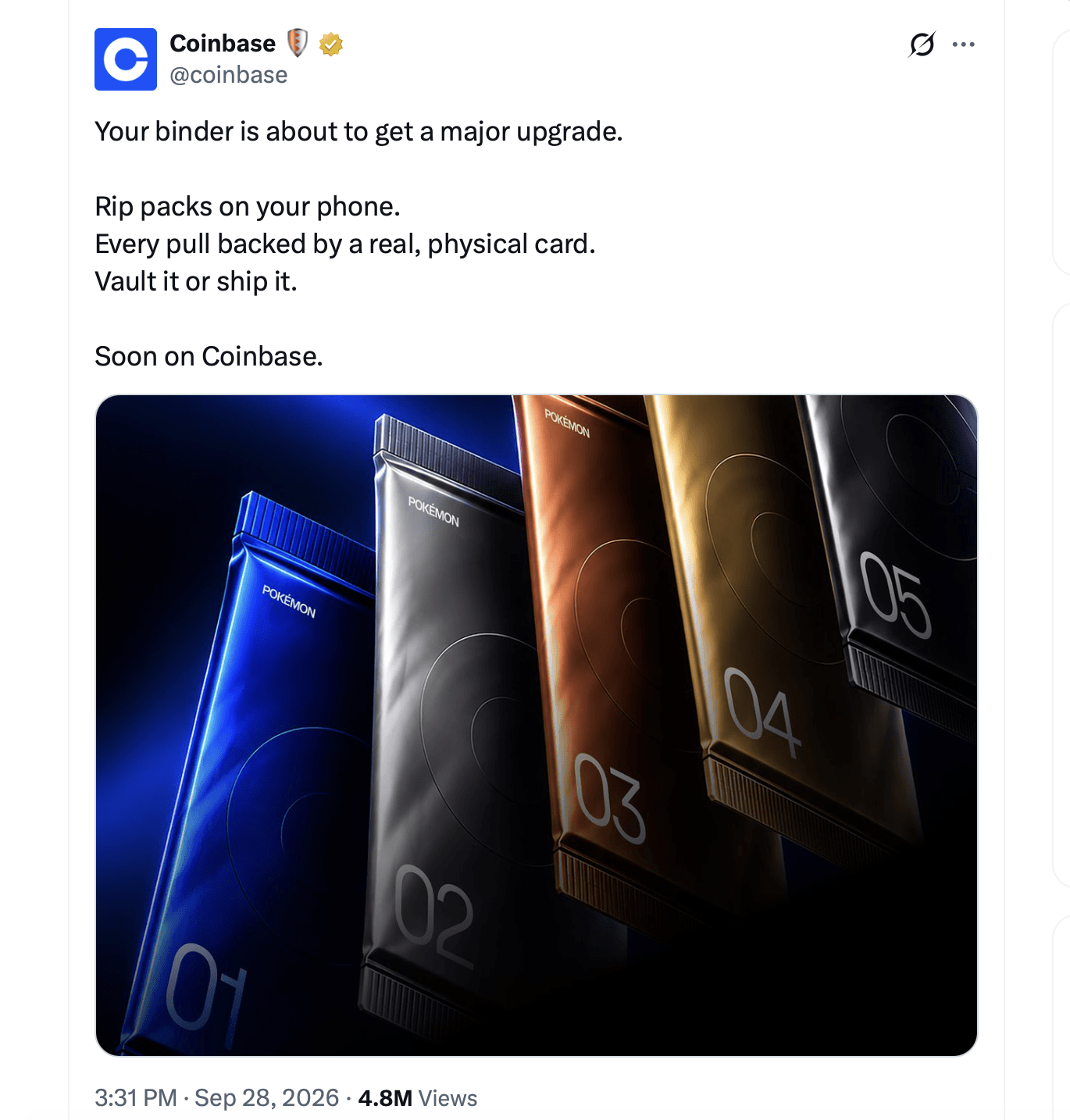
Although the initial written announcement didn’t name Pokémon, Coinbase subsequently acknowledged the connection in a reply to a user. There was no firm launch date. The announcement and follow-up exchanges also left resale features unconfirmed. That last omission matters. Collecting a card and trading it are two different propositions, even when both happen on the same screen.

How Cardboard Gets a Digital Owner
Courtyard or courtyard.io and other platforms offer an established example of how the blockchain version works. At Courtyard, a physical collectible is held in custody, and a non-fungible token, or NFT, represents that particular item. Think of it as a transferable digital claim attached to a specific card.
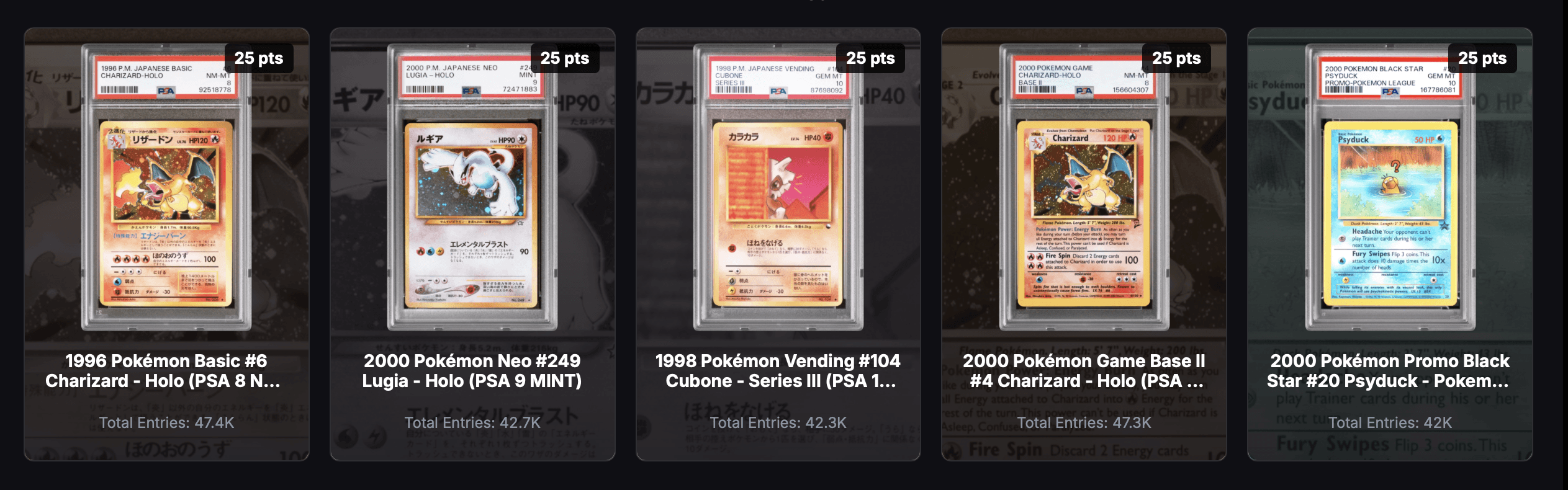
A mystery-pack opening reveals which collectible the buyer receives. The owner can keep it vaulted, offer it for sale, or request delivery. Courtyard’s marketplace allows collectors to buy and sell those vaulted items, avoiding a fresh shipment every time ownership changes. The Pokémon card is the real McCoy. The token is the means of recording and transferring the claim to it.
When somebody finally wants the physical card, Courtyard requires identity verification and payment of applicable shipping costs and taxes. It then destroys, or “burns,” the corresponding token as part of redemption. That prevents a circulating digital claim from remaining attached to a card already sent out the door. Courtyard’s redemption documentation spells out that trade-off. This explains an existing model. Coinbase hasn’t disclosed whether it will use the same machinery.
Gamestop Already Has $2,500 Packs
Coinbase is entering a market with several operating competitors. The American retail company Gamestop opened Power Packs to the general public on April 15, 2026, offering digital packs containing physical cards graded by PSA, which evaluates their authenticity and condition. Power Packs’ prices run from $25 to $2,500, with Pokémon, football, basketball, and baseball among the available categories. Customers can sell their cards back, arrange delivery or keep them vaulted.
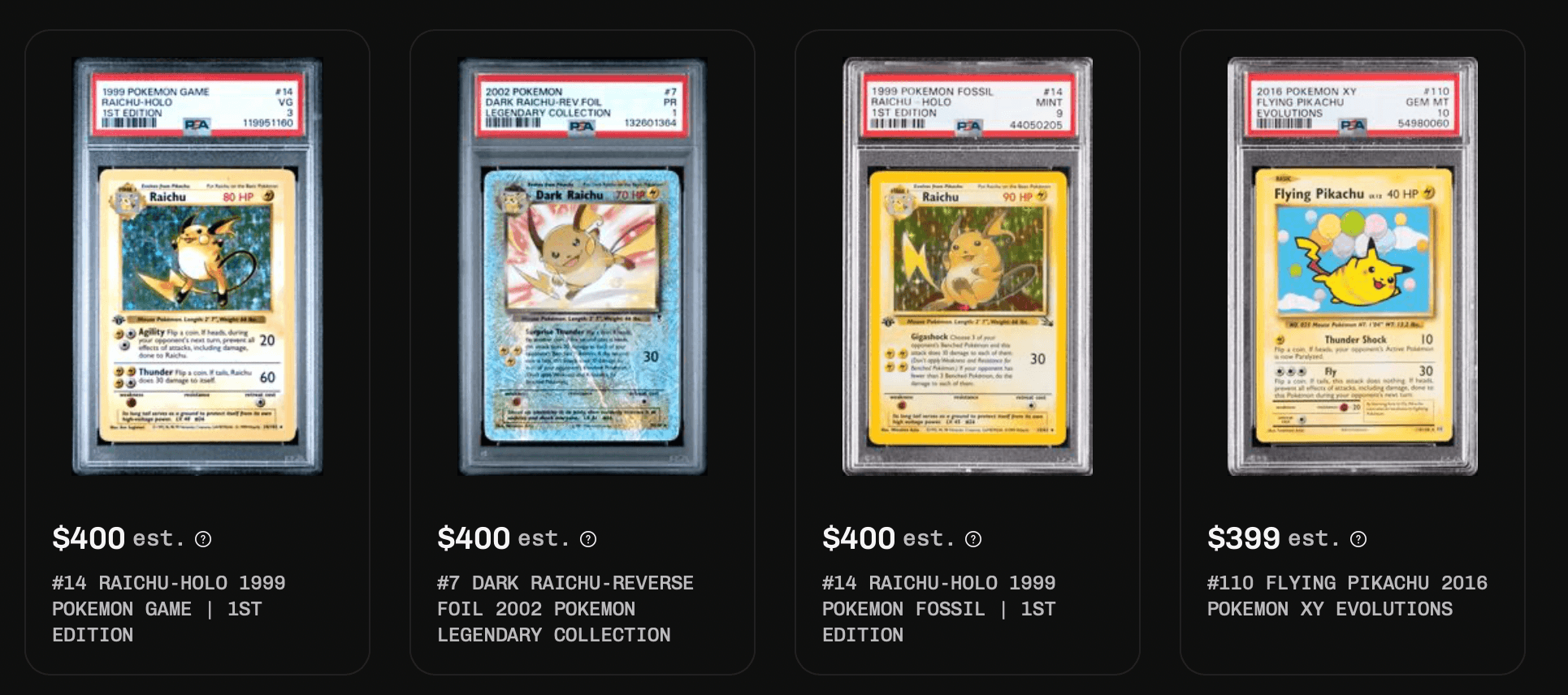
The top pack costs 100 times the entry price. This business already stretches well beyond an impulse purchase at the checkout counter. Gamestop’s service also makes a useful distinction clear by demonstrating that digital pack opening doesn’t automatically mean blockchain ownership. Its published launch materials describe real cards and custody without establishing the NFT structure used by Courtyard. On the other hand, Coinbase’s name alone doesn’t settle that question for its upcoming product, either.
A Fair Draw Can Still Cost You
Phygitals, another physically backed card collectibles platform, advertises instant buybacks at 85% to 90% of a card’s estimated fair market value. On a card valued at $100, that means $85 to $90. It doesn’t mean the buyer gets back 85% to 90% of whatever the pack cost. The percentage follows the card’s estimated value, a distinction worth giving the once-over before buying. Phygitals explains its buyback pricing alongside its pack offerings.
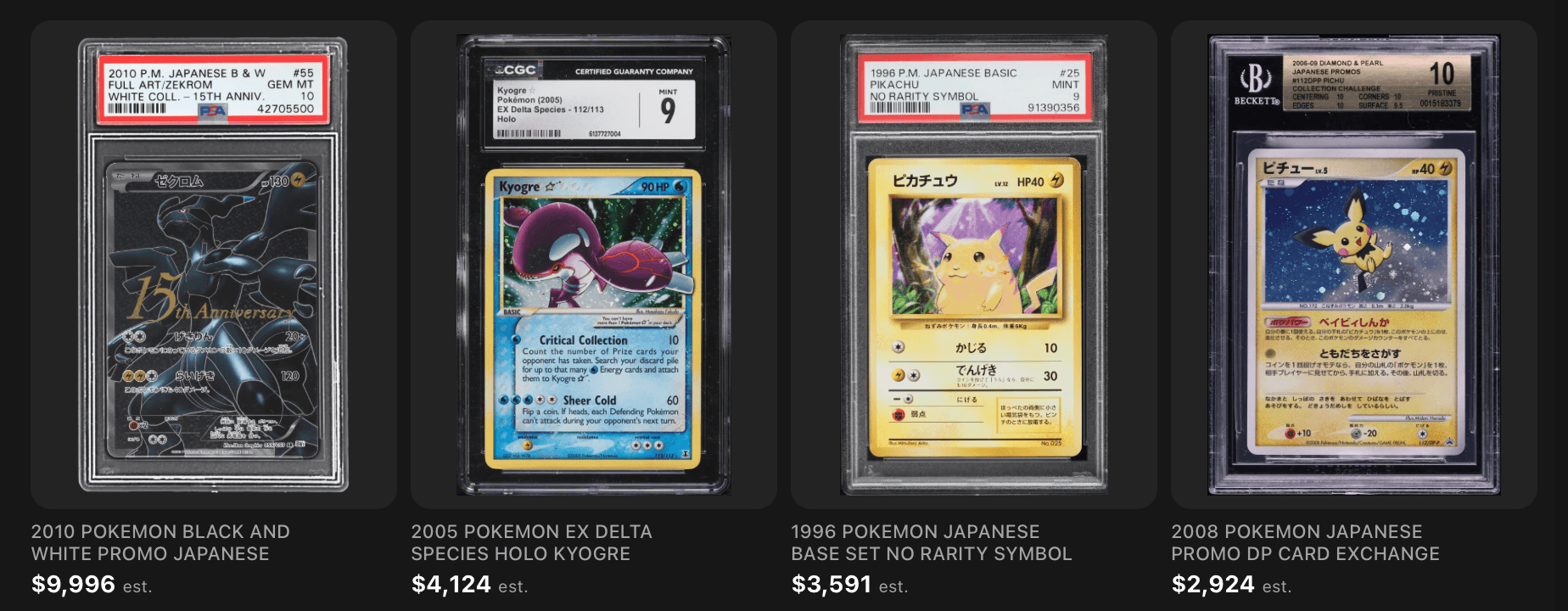
The platform also advertises public verifiable randomness: a selection process with cryptographic evidence that can be checked. That addresses how a result was selected. It doesn’t establish that every card is valued accurately, that inventory records are complete or that the physical merchandise is safely in custody. Nor does a verifiable draw promise a profitable one. A randomly selected card can be worth less than the price paid to obtain it.
An Exchange Reaches for the Binder
Coinbase has connected the latest teaser to its “Everything Exchange” ambitions, which extends beyond conventional cryptocurrency trading. Collectibles fit the idea because ownership can move independently of the object. A Pokémon card that once required a listing, protective packaging and a trip through the mail can, in an established vaulted marketplace, pass to another collector while remaining on the same shelf.
There’s a practical attraction there. There’s also a change in whom the customer must trust. Someone still has to authenticate the Pokémon card, protect it, keep the records straight and send the correct item when its owner requests delivery. Blockchain records can help track ownership; the storage and shipping work still falls to people and companies.
The Details Still Inside the Wrapper
Coinbase hasn’t disclosed Pokémon pack prices, pull probabilities, storage charges, shipping arrangements or eligible jurisdictions. It also hasn’t identified its physical card custody provider, confirmed grading standards like PSA or explained whether customers will be able to resell cards through the service. Its technical architecture remains undisclosed as well, including whether ownership will be recorded on a blockchain network. Although knowing Coinbase, a blockchain is likely in the cards. A licensing arrangement with The Pokémon Company hasn’t been announced.
Those answers will determine whether customers are buying a convenient collecting experience, access to a trading market or some combination of the two. For now, Coinbase has shown the wrapper. Collectors still need the price tag, the odds and the terms for getting their cardboard back.



Be the first to comment