


Key Takeaways
- The crypto fear and greed index dropped to 12 out of 100, placing the market in extreme fear territory.
- Multiple forces hit simultaneously, including geopolitical tension, macro uncertainty, and widespread altcoin weakness.
- Historically, readings this low have often aligned with short-to-medium term buying opportunities for patient traders.
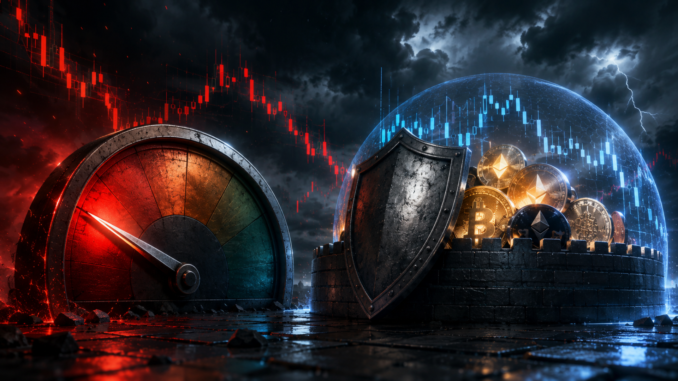
The crypto fear and greed index sits at 12 out of 100 as of June 8, 2026, placing sentiment just two points above the absolute floor of the scale. Traders are not just cautious right now. They are in full defensive mode, pulling back from volatile assets and waiting on macro clarity before making any meaningful moves in either direction.
How Does the Fear and Greed Index Actually Work?
The index measures overall crypto market sentiment by pulling from several different data sources, and each one carries a different weight in the final score. Understanding what goes into it helps you use it more accurately rather than just reacting to the number on its own.
Here is a breakdown of the main inputs:

- Volatility (25%): Compares current Bitcoin volatility against its 30-day and 90-day averages, with higher volatility pushing the score toward fear.
- Market Momentum and Volume (25%): Tracks current trading volume against recent averages, where falling volume alongside falling prices signals clear fear.
- Social Media (15%): Monitors engagement rates and tone on crypto-related posts, with low interaction and negative framing pulling the score down.
- Bitcoin Dominance (10%): A rising Bitcoin dominance share means investors are pulling money out of altcoins and into BTC as a relative safe haven inside crypto.
- Google Trends (10%): Searches for terms like “Bitcoin crash” spike during fear periods and contribute directly to a lower reading.
- Surveys (15%): Weekly community polls provide a direct and unfiltered sentiment signal from actual market participants.
A score of 12 means nearly every one of these inputs is pointing in the same direction at the same time, which is what makes this reading so significant.
What Has Historically Happened After Extreme Fear Readings?
Past readings below 15 have often aligned with price bottoms or near-bottoms, and during the 2022 bear market, sub-10 readings marked some of the closest points to cycle lows for Bitcoin and major altcoins.
That does not mean history always repeats in the same way, but the pattern is consistent enough that many experienced traders treat extreme fear as a contrarian signal worth taking seriously.The important distinction is between short-term fear driven by a single news event and structural fear rooted in deeper market problems.
Short-term fear tends to resolve quickly once the triggering event passes, while structural fear tied to macro conditions or regulatory uncertainty can persist for weeks or even months. Right now, the market appears to be dealing with a combination of both.
What Actually Pushed Sentiment to 12 Right Now?
Several forces hit the market at the same time, which explains why sentiment dropped so fast and so far in such a short window. Geopolitical escalation played a major role. Tensions in the Strait of Hormuz drove oil prices sharply higher, triggering selling across risk assets including Bitcoin and altcoins.
Crypto markets do not operate in isolation, and when oil spikes and equities fall, crypto tends to follow, at least in the initial phase of the reaction. Read more about how Bitcoin responded to the Hormuz situation in our earlier coverage.
Macro pressure added to the problem from another angle. Interest rate expectations and dollar strength weigh heavily on speculative assets, and when investors start expecting tighter financial conditions ahead, crypto tends to be one of the first asset classes they reduce exposure to across the board.
Altcoin weakness finished the job on retail confidence. With XRP dropping to multi-year lows and several other tokens breaking key support levels, retail traders started exiting in volume, and those exits created additional selling pressure that fed directly back into the fear reading.
What Can Traders Actually Do During Extreme Fear?
Extreme fear is historically associated with better entry prices, but it is not associated with comfortable trading conditions, and that distinction matters a lot. Here are some practical approaches traders use when the index sits this low:
- Dollar-cost averaging: Spreading purchases over several days or weeks removes the pressure of trying to nail the exact bottom, which is nearly impossible to time consistently.
- Reassessing allocations: Fear periods are genuinely useful for checking whether your current crypto exposure still matches your real risk tolerance and investment timeline.
- Earning yield on stablecoins: Platforms like Phemex and Bybit let you earn returns on stablecoins while sitting out the volatility and waiting for clearer conditions.
- Securing holdings: Volatile markets attract more phishing attempts and scams than usual, so keeping assets in a hardware wallet like Ledger or Trezor protects you regardless of what the market does.
The crypto fear and greed index works best as one signal among several rather than a standalone trading trigger. Pairing it with volume trends, on-chain data, and macro context gives you a much more complete picture of where the market actually stands. For more on reading volatile markets effectively, see our guide on crypto trading strategies for bull and bear markets.
Frequently Asked Questions
What does a crypto fear and greed index score of 12 mean?
A score of 12 places the market firmly in extreme fear territory, meaning that volatility data, trading volume, social sentiment, and market momentum are all pointing toward fear simultaneously. Scores below 20 are relatively uncommon and have historically preceded market recoveries more often than prolonged continued declines, though nothing is guaranteed in crypto.
Is extreme fear a good time to buy crypto?
Historically, extreme fear readings have aligned with price troughs and have been useful contrarian signals for patient buyers. The challenge is that no indicator tells you exactly when the bottom is confirmed, which is why dollar-cost averaging during fear periods tends to produce better outcomes than trying to time a single perfect entry point.
How does geopolitical tension affect the fear and greed index?
Geopolitical events that shake energy markets or create broad financial uncertainty trigger risk-off behavior across asset classes. In crypto specifically, that means selling pressure, falling trading volume, and negative social sentiment all hit at the same time, and each of those factors pulls the index score lower simultaneously. You can see this dynamic in detail in our piece on Bitcoin vs gold.
Where can I track the crypto fear and greed index?
The crypto fear and greed index updates daily at feargreedmeter.com and is also available on most major crypto data platforms. Checking it regularly alongside price charts and on-chain metrics gives you a much more accurate and complete read on where market sentiment actually stands at any given moment.





Be the first to comment