



Deutsche Bank is moving into digital assets by preparing custody for institutional and corporate clients across Europe later this year.
The bank will hold wallets and private keys, allowing clients to safeguard and transfer Bitcoin [BTC], Ether [ETH], USD Coin [USDC], EURC, and EURAU without building their own custody infrastructure.
This will put digital assets within a banking framework. This will be through key protections, including storage of private keys, wallet control, and transaction approval controls.
More importantly, it may allow European institutions an easier way into crypto markets as part of a banking relationship. The initial asset list remains limited, although tokenized financial instruments will follow later on.

However, regulatory approval stands between the announcement and launch, making adoption and expansion important developments ahead.
Regulated crypto access expands
The majority of institutional interest is no longer just about getting invested in digital assets but about how they access them. According to a 2026 Coinbase-EY survey study of over 350 decision-makers, 73% are planning to allocate more money to digital assets.
In that study, 81% preferred spot exposure through registered vehicles such as ETFs and ETPs. That means for any firm offering regulated custody services, there will be a strong demand for that institution to be used as a vehicle for accessing these types of investments.
As a result, the need for regulated custody is being driven by the demand of potential users. Although hundreds of European-based MiCA-authorized cryptocurrency companies currently exist, very few major banks are also acting as custodians.
Deutsche Bank can therefore connect crypto custody with existing banking relationships across Europe. Its target market includes asset managers, hedge funds, brokers, corporations, and sovereign institutions.
Stablecoins could drive recurring activity
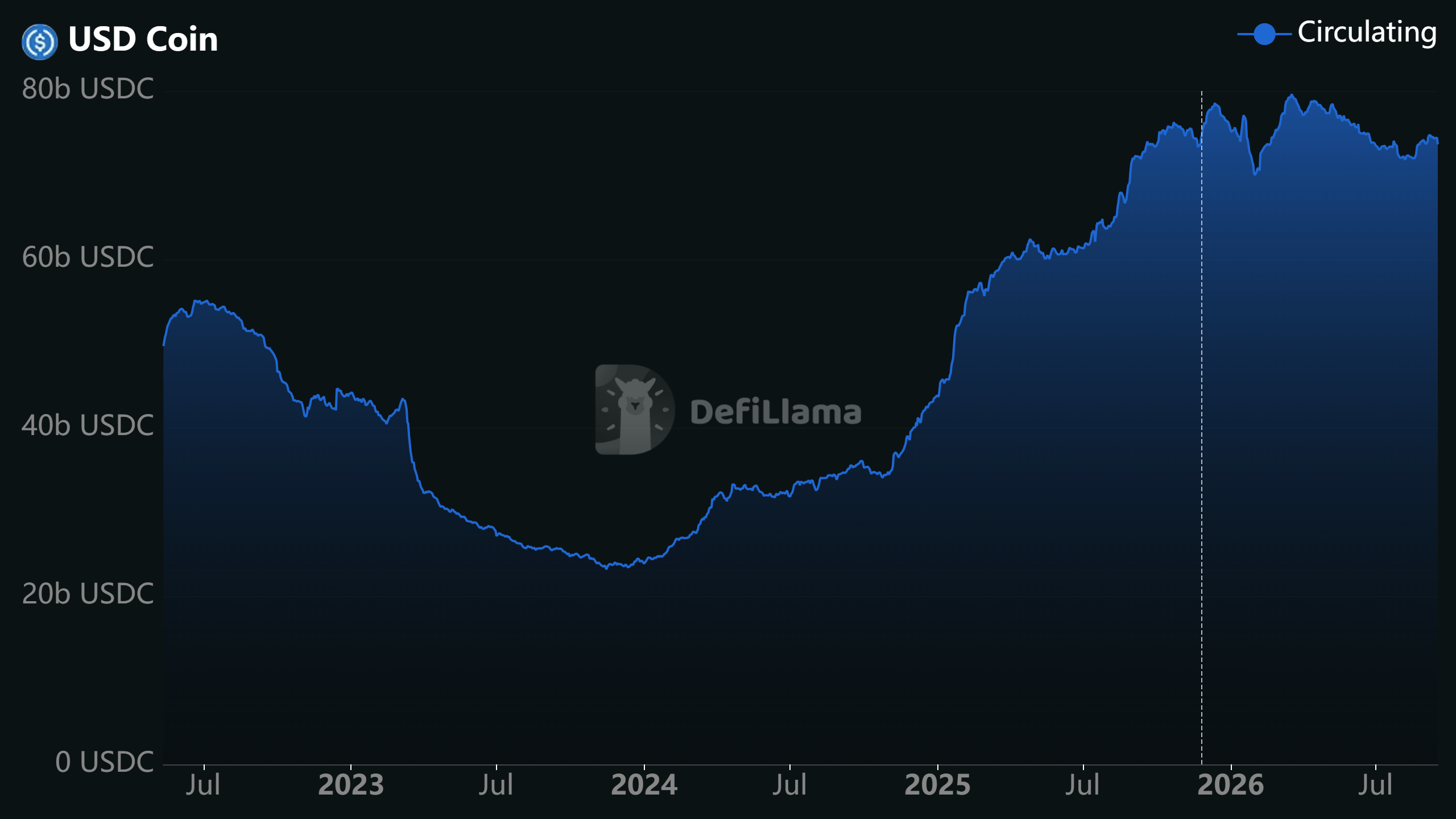
Meanwhile, stablecoins could turn Deutsche Bank’s custody service from a storage product into a recurring settlement channel. USDC already has about $74 billion in circulation, showing deep existing demand.
Meanwhile, EURC offers institutions a euro-denominated option within the same custody framework. That combination could support treasury transfers, business payments, and cross-border settlements alongside simple asset storage.
More importantly, if repeated transfers occur, then this activity will begin to generate flows outside simply having tokens in custody. As a result, tokenized assets could extend that use further.
If Deutsche Bank later adds these assets, purchases, redemptions, and transfers could create additional flows. Therefore, stablecoins and tokenization could potentially enable a custody service provider to become an active financial rail.






Be the first to comment