


TLDR
- The Digital Chamber rejected Warren’s claim that crypto trust charters breach banking law.
- Warren said approvals for Coinbase, Ripple, Circle and others may violate the National Bank Act.
- The OCC has granted or reviewed trust charter approvals tied to crypto custody and stablecoins.
- The Digital Chamber said crypto firms are entering federal oversight, not avoiding regulation.
- The dispute centers on stablecoin rules, trust banks and the OCC’s charter authority.
The Digital Chamber has pushed back against Sen. Elizabeth Warren’s claim that federal trust charter approvals for crypto firms may have breached U.S. banking law, opening a new dispute over how digital asset companies should enter the regulated financial system.
In a Tuesday letter to Comptroller of the Currency Jonathan Gould, the industry group urged the Office of the Comptroller of the Currency to defend recent national trust bank charter approvals and keep setting supervisory expectations for trust banks. The group represents more than 250 crypto-related entities.
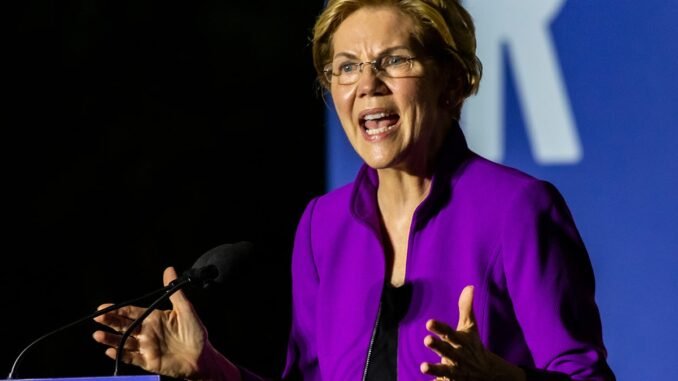
The response followed Elizabeth Warren’s May 18 letter to the OCC, in which the Massachusetts Democrat said the agency had approved at least nine national trust charters for crypto companies since December 2025. She argued that several applicants planned activities beyond the limited functions allowed for national trust companies and asked the regulator to provide applications, legal analysis and records by June 1.
Digital Chamber says OCC has charter authority
The Digital Chamber said the OCC’s approvals did not create a separate path for crypto firms to avoid banking rules. Instead, the group argued that national trust charters are an established tool for companies that provide fiduciary, custody and related services under federal supervision.

Cody Carbone, chief executive of The Digital Chamber, said Warren’s description of the approvals as possible violations “misreads both the statute” and the OCC’s charter powers. The group said firms seeking these charters are voluntarily entering a federal oversight regime rather than operating outside regulation.
The dispute centers on companies including Ripple, Circle, Paxos, Fidelity Digital Assets, BitGo, Coinbase, Crypto.com, Stripe and Protego. Some firms have received conditional approvals or are seeking authority tied to custody, stablecoin issuance, redemption and reserves management. National trust companies generally do not take FDIC-insured deposits or make commercial loans.
Elizabeth Warren Questions Crypto Trust Bank Approvals
Warren told the OCC that crypto firms appeared to be using national trust charters to conduct bank-like activity without meeting the same standards that apply to full-service banks. Her letter said the approvals may allow companies to move into payment and stablecoin services while avoiding core banking safeguards.

The senator also linked the issue to the GENIUS Act, the stablecoin law passed in 2025. Warren said the law created a federal framework for stablecoin issuers, but did not alter the National Bank Act or expand what national trust companies are allowed to do.
The Digital Chamber rejected that view. Carbone said it would be inconsistent for Congress to create a federally regulated stablecoin issuer category while the OCC refused to use its chartering authority. The group said the GENIUS Act and OCC supervision should work together, rather than be treated as separate legal lanes.
Stablecoin Rules Put OCC Role in Focus
The charter fight comes as crypto firms and traditional financial institutions compete over stablecoin rules, custody services and access to federal oversight. Banking groups have argued that stablecoin issuers should not offer rewards or services that resemble bank deposits without similar regulatory burdens.
Crypto firms have argued that stablecoins are payment instruments, not bank accounts, and that issuers should be able to operate under tailored rules when they do not take deposits or lend customer funds. The Digital Chamber used that distinction to defend national trust charters for companies focused on custody and stablecoin infrastructure.
The OCC has also been building rules tied to the GENIUS Act. A proposed rule published in March said the agency would have regulatory or enforcement authority over certain permitted payment stablecoin issuers, including national bank subsidiaries and some federally qualified stablecoin issuers.
The disagreement places Gould’s OCC at the center of a policy debate over crypto’s role in the banking system. Warren has asked the agency to explain its legal basis for the recent approvals, while The Digital Chamber is pressing the regulator to keep the charter process open for digital asset firms that accept federal oversight.


Be the first to comment