



TL;DR:
- Permanent closure: The protocol will cease its block production and shut down its independent network after completing an operating period of approximately 1.5 years.
- Migration deadline: Users with funds on the network have until July 31, 2026, to withdraw their assets to the Ethereum mainnet or other compatible chains.
- Wave of closures: During the same week, industry firms such as Syndicate Labs, Fantasy.top, and Everclear announced the cessation of their commercial activities.
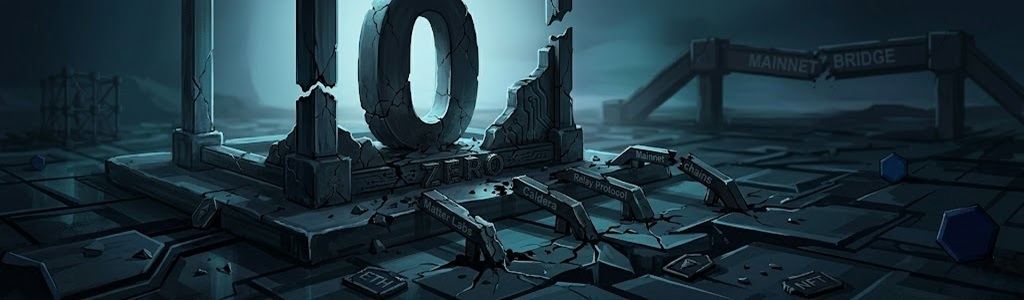
The second-layer solution Zero Network announced the definitive cessation of its operations after operating for approximately 18 months, initiating a strategic transition focused on expanding the wallet products and the application programming interface (API) of its parent company, Zerion.
1/ We’re winding down ZERϴ Network. Here’s a personal note from the team:
— ZERϴ Network (@zerodotnetwork) May 21, 2026
Decommissioning and fund withdrawal timeline
Initially, the protocol was introduced to the market under the premise of being an Ethereum Virtual Machine (EVM)-compatible ecosystem free of transaction fees (gas). However, according to the official statement shared by the development team on X, managing an independent blockchain ceased to be the most efficient way to fulfill that commercial purpose.
They have already launched the technical shutdown process within the ecosystem’s infrastructure. Deposit functions and the inbound bridge to the network were immediately disabled by the developers.

Conversely, the outbound channel will remain continuously enabled over the coming weeks. Users holding Ether (ETH), tokens, or non-fungible tokens (NFTs) within the network must carry out the mandatory migration of their belongings to the Ethereum mainnet or secondary networks before July 31, 2026. Once this deadline expires, the network will halt its block production irreversibly. The technical team clarified that the entirety of the funds is securely safeguarded during this transition phase.
Market concentration and concurrent closures
The technical situation experienced by this protocol does not occur in isolation within the technological environment of second-layer solutions. Over the course of the week, several consolidated companies in the crypto industry notified the permanent disruption of their developments due to a persistent lack of commercial traction.
Data published by the analytics firm L2Beat reveals that the Ethereum rollup market suffers from a marked centralization, where just three main platforms concentrate approximately 75% of the total value locked across the entire ecosystem.
The infrastructure provider firm Syndicate Labs, backed by venture capital entity Andreessen Horowitz, notified its institutional dissolution after five years of operations in the development market focused on on-chain applications. According to the Syndicate Labs report, the generic EVM-based rollup model experienced a drastic shift in trend, being gradually displaced by highly customized execution environments.
Parallelly, the digital collectibles platform Fantasy.top will cease its commercial services starting next June due to insufficient trading volume to sustain its long-term financial structure. Adding to this scenario was the cross-chain infrastructure firm Everclear, funded by Pantera Capital, which confirmed the definitive closure of its foundation and labs after failing to consolidate a sustainable revenue stream within the current market.
The scheduled cessation of operations for this second-layer protocol marks a visible turning point in user retention strategies for digital self-sustaining platforms. The operational performance of Zerion’s core tools will serve as the next indicator of viability for the company following this readjustment of its architecture.



Be the first to comment