


Key Takeaways
- Cyprus shut its banks for nearly two weeks during the 2013 crisis.
- The bailout converted 47.5% of uninsured Bank of Cyprus deposits into shares.
- Bitcoin climbed from about $47 in mid-March to roughly $265 in April 2013.
Inside the Human Cost of Cyprus’ Banking Panic
The documentary begins with a nightmare hiding inside an ordinary bank account: The money is visible, but suddenly it cannot be touched. Cyprus’ banks were closed. Transfers were frozen. Cash was rationed. Presented by Graham Stone, who leads marketing operations at Bitcoin.com, the narrative wastes little time in turning financial policy into something far more frightening: the realization that savings can remain in an account while control over them disappears.
Through archival footage, viewers relive the desperation of the depositors as they scramble to recover their life savings. ATM lines stretch. Protests fill the streets. The mood on screen shifts from fear to fury. Stone’s calm narration is an effective counterweight to the chaos, guiding the story without competing with images that already carry enormous force. Simple illustrations keep the dates and percentages clear, while the restrained score lets the panic breathe.
Then the episode delivers its most surreal images, the ones that turn a financial collapse into something physical. Billions of euros were flown onto the island. The British military separately brought in cash. Some depositors bought cars and watches while local transfers still worked. The crisis stops being an economic abstraction here; it is cash in the sky, anger in the streets, and fear spreading from one locked branch to the next.
How Cyprus Depositors Lost Access to Their Money
But how did Cyprus reach a point where billions in cash were soaring through the air while chaos unfolded below? The documentary pulls back the curtain. The island’s banking assets had grown to several times the size of its economy, and its major lenders carried heavy exposure to Greek government debt. Losses on those bonds, alongside a slide in the quality of domestic bank assets, eroded the capital of the biggest lenders. To contain deposit outflows, authorities imposed temporary restrictions on domestic and cross-border transfers and payments, according to the European Central Bank’s assessment of the crisis.

The most chilling moment asks viewers to imagine part of their hard-earned savings being taken through a government decision. The proposed levy would have imposed a 6.75% charge on deposits below 100,000 euros and 9.9% above that threshold. Parliament flatly rejected it. For a moment, the pressure broke. Then the trap closed again. The final Eurogroup agreement protected insured deposits, but shareholders, bondholders, and uninsured depositors absorbed the losses. When the dust settled, the banking system had been rescued, but a large number of investors and others were left carrying much of the cost.
Bank of Cyprus survived, but the cost fell on those who had the most at stake. After the restructuring, 47.5% of its uninsured deposits were converted into shares. Laiki Bank was gone, its insured accounts transferred and its uninsured deposits left in liquidation. Even reopening day offered no clean release. Withdrawal and transfer limits remained in place, and some capital controls continued all the way until April 2015. The doors reopened, but financial freedom did not return with them. People had been let down by traditional finance on a devastating scale, and the wider world was taking notice. Was there an alternative?
Bitcoin Breakout Anchors the Central Argument
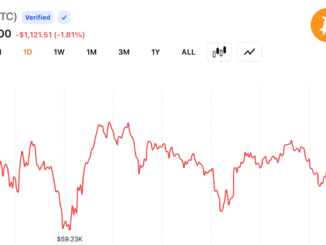
At the height of that fear, bitcoin enters the documentary like an escape hatch suddenly appearing in the middle of a locked room. Its price climbed from roughly $47 on March 15 to a peak near $265 in April. Its market value crossed $1 billion on March 28, the day Cypriot banks reopened behind capital controls. The timing is extraordinary, and the episode knows exactly how powerful those two events look when placed side by side.
Stone builds his central argument against a backdrop charged with cinematic tension: shuttered banks, angry crowds beneath a Mediterranean sun, and aircraft carrying emergency cash to an island running out of trust. He also points to heavier Mt. Gox trading activity and rising European search interest during the period. The contrast is gripping, but amid the dramatic timing and cinematic scenes, the documentary is forced to admit that speculation, wider adoption, and growing media attention also contributed to the rally.
By acknowledging broader market forces, the documentary presents a measured account of bitcoin’s ascent, while still making a powerful case that’s hard to dismiss offhand. At the very least, the Cyprus banking panic provides a solid foundation for bitcoin’s appeal as money beyond bank control in a powerful real-world setting.
However, the documentary gives its central argument even greater weight by turning from the dramatic timing to what happened next. The University of Nicosia began accepting bitcoin for tuition in November 2013, eight months after the crisis, and announced a master’s degree in digital currency. The university’s move gave Cyprus a role that has outlived the price surge. This is where the episode’s argument really comes into its own: The island’s connection with bitcoin survived after the panic, headlines, and April peak had faded, suggesting this was more than just an unlikely coincidence.
Beyond Cyprus: Who Controls Your Money?
The arrival of Telegram founder Pavel Durov widens the story beyond Cyprus, and the connection quickly locks into place. He bought bitcoin in 2013 while facing political pressure in Russia, adding censorship and state power to a story already suffused with financial control. Cyprus showed what happens when banks restrict access to money. Durov’s experience widens the threat, showing how the desire for assets beyond institutional reach can emerge under very different forms of pressure.
The episode then expands into international bank-resolution rules, raising the stakes beyond Cyprus. The European Union adopted its Bank Recovery and Resolution Directive after the crisis, while the Dodd-Frank Act had already established a different U.S. framework in 2010. The comparison turns Cyprus from an isolated nightmare into a test of who pays when a major financial institution fails.
In its final minutes, the documentary strips everything back to one unsettling question: Who controls money when the institution holding it fails? Bitcoin is presented as an asset that can be held outside the banking system. The model is commonly known as self-custody. A self-custodial wallet gives its user direct control of the associated private keys, placing control and security responsibility with the holder. The explanation is simple, but the images behind it make the point land harder. The banks eventually reopened; the certainty that depositors controlled their money did not.
All told, it is a gripping and deeply unsettling account, skillfully built from urgent real-world footage, strong research, and narration that keeps the financial complexity from slowing the story. The connection between the crisis and bitcoin’s meteoric rise gives the story its central tension, while the broader examination of financial control leaves the deeper impression. It leads the audience to a frightening realization: Your savings can still appear on a screen, your name can remain on the account, and the money can still be beyond your reach.




Be the first to comment