

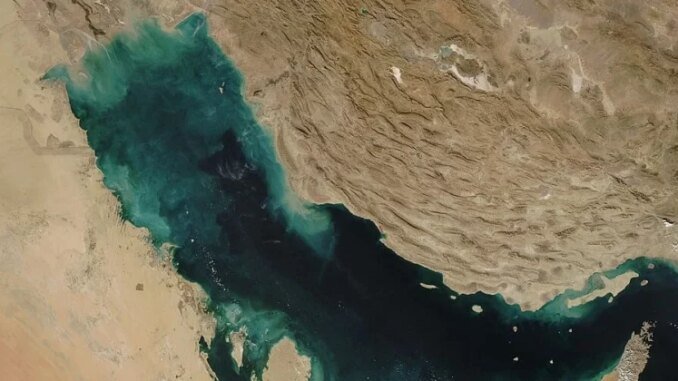

Iran just turned one of the world’s most strategically important waterways into a crypto business opportunity. The country has launched Hormuz Safe, a state-backed digital maritime insurance platform that issues marine insurance policies for ships transiting the Persian Gulf and the Strait of Hormuz, with settlements processed in Bitcoin and other cryptocurrencies.
Why the Strait of Hormuz matters
Roughly a fifth of the world’s daily oil supply passes through the Strait of Hormuz. Every tanker, every cargo vessel navigating that narrow channel between Iran and Oman needs marine insurance. And traditionally, that insurance has been underwritten and settled through Western financial institutions that Iran has been largely locked out of.
Hormuz Safe, backed by Iran’s Ministry of Economy, uses Bitcoin and crypto to settle policies directly. No SWIFT network required. No Western intermediaries needed.
Proponents within the Iranian government believe the platform could generate upwards of $10 billion in revenue if it captures a meaningful share of the insurance market for Persian Gulf shipping traffic.

Sanctions evasion meets sovereign strategy
Hormuz Safe is a sanctions workaround, designed to reduce Iran’s dependence on traditional financial infrastructure. By settling in Bitcoin, Iran sidesteps the dollar-based financial plumbing that gives Washington its leverage.
The platform features instant blockchain settlement and digitally signed receipts, creating a parallel insurance infrastructure that doesn’t need permission from any Western regulator to operate.
The recognition problem and secondary sanctions risk
International recognition is the single biggest hurdle Hormuz Safe faces. A ship arriving at Rotterdam or Singapore with an insurance certificate issued by an Iranian state-backed platform may find that its coverage is worth nothing in the eyes of local regulators.
The US has historically pursued aggressive enforcement against entities that help Iran evade sanctions. Any shipowner, trading house, or port authority that interacts with Hormuz Safe could potentially trigger secondary US sanctions, effectively cutting them off from the American financial system.
The realistic customer base, at least initially, is likely limited to vessels already operating in sanctions-gray territory: Iranian-flagged ships, vessels owned by entities in countries with less exposure to US financial pressure, and operators who are already comfortable navigating the compliance risks of Persian Gulf trade.



Be the first to comment